
A plant-based diet can be incredibly healthy — rich in fiber, antioxidants, and heart-friendly nutrients. But cutting out all animal products also means you’re at risk of missing out on a few important vitamins and minerals.
“On a vegan diet, there are certain nutrients you either can’t get enough of or need to be more intentional about,” says Sharon Bergquist, M.D., an internist at Emory University.
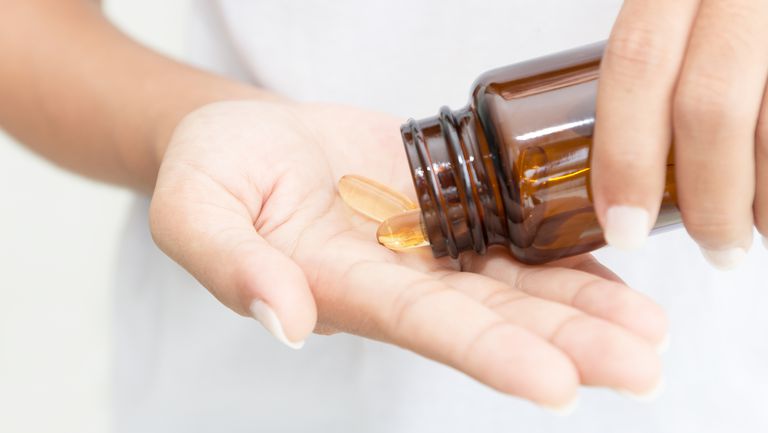
That doesn’t mean you have to take supplements — it all depends on what your daily meals look like, and factors like pregnancy or breastfeeding. But if you’re feeling symptoms of deficiency, or just want to make sure you’re covered, some supplements might help.
Important: Always speak to a doctor or registered dietitian before starting any supplement. And remember: Supplements aren’t regulated by the FDA. Look for third-party testing seals like ConsumerLab or USP, and stick to trusted brands.
7 Nutrients Vegans Should Pay Close Attention To
1. Vitamin B12
What it does: Supports nerve function and helps your body make red blood cells. A deficiency can cause fatigue, tingling, memory issues, and even nerve damage.
Why vegans may lack it: B12 is found almost exclusively in animal products — meat, fish, eggs, dairy. That’s why many vegans fall short without realizing it.
How to get it: Some fortified plant-based foods (like nutritional yeast or non-dairy milk) contain B12, but most vegans need a supplement. A daily dose of 5–10 mcg is usually enough. Ask your doctor for a yearly blood test to check levels.
2. Iron
What it does: Iron helps carry oxygen in your blood. Too little can lead to anemia and make you feel drained and weak.
Why vegans may lack it: Plant-based sources like beans, spinach, and tofu contain non-heme iron, which isn’t absorbed as easily as the heme iron in meat.
How to get it: Boost absorption by pairing iron-rich foods with vitamin C (think: beans + tomato sauce, or greens + citrus). Cooking in cast-iron pans helps too.
Only supplement if you’re deficient — too much iron can be harmful. Your doctor can run a blood test to check.
3. Zinc
What it does: Supports your immune system, helps heal wounds, and aids in cell function and growth.
Why vegans may lack it: Zinc is richest in meat, seafood, and dairy. While whole grains and legumes contain it, they also have phytates, which can block absorption.
How to get it: Eat more zinc-rich plant foods like nuts (especially cashews), seeds, lentils, and whole grains. Because of absorption issues, vegans may need up to 50% more than the standard RDA (15 mg/day).
If you’re often sick, losing weight, or slow to heal, your doctor may suggest a zinc citrate or gluconate supplement at about 150% of the RDA.
4. Vitamin D
What it does: Helps absorb calcium and keeps bones strong. It also plays a role in immune function and mood.
Why vegans may lack it: D is mainly found in fatty fish, eggs, and fortified dairy — and many people (vegan or not) don’t get enough, especially in low-sunlight months.
How to get it: Mushrooms and fortified plant-based milks offer a small boost, but most people benefit from a supplement. Doctors often recommend 500–600 IU daily — though some may suggest more depending on blood levels.
5. Omega-3 Fatty Acids
What it does: Omega-3s help reduce inflammation and support heart, brain, and joint health.
Why vegans may lack it: The best sources — salmon, tuna, mackerel — are off the menu. While flaxseed, chia, and walnuts contain ALA (a type of omega-3), your body doesn’t convert it well into the usable forms (EPA and DHA).
How to get it: Look for algae-based omega-3 supplements, which are vegan-friendly and contain EPA and DHA. A dose of 200–300 mg/day is usually a good target.
6. Iodine
What it does: Your thyroid needs iodine to regulate metabolism, energy, and body temperature.
Why vegans may lack it: Dairy and seafood are top sources. If you use sea salt or Himalayan salt (not iodized), you may fall short.
How to get it: Seaweed is a solid vegan source. Just a few servings a week could meet your needs — around 150 mcg/day. If you’re unsure, ask your doctor to test your thyroid function and iodine levels.
7. Calcium
What it does: Essential for bone health, nerve function, and muscle contraction. Most adults need 1,000 mg per day.
Why vegans may lack it: Without dairy, calcium can be harder to get — though leafy greens, fortified tofu, soy milk, and almonds do help.
How to get it: Aim to hit your daily needs through diet first. If you need a supplement, 500–600 mg/day is usually safe — but always clear it with your doctor. Too much calcium can lead to artery calcification and may raise heart risks.
Final Thoughts
You can thrive on a vegan diet — just make sure you’re getting what your body needs. With the right mix of whole foods and targeted supplementation (when necessary), staying healthy and plant-based is totally doable.
And remember: Regular bloodwork and a quick chat with your doctor or dietitian can go a long way in keeping you energized, balanced, and well-nourished.
What do you think about this article? Please share it and comment.
You would like to publish an article with us? Please contact us.
 General Health Magazine