
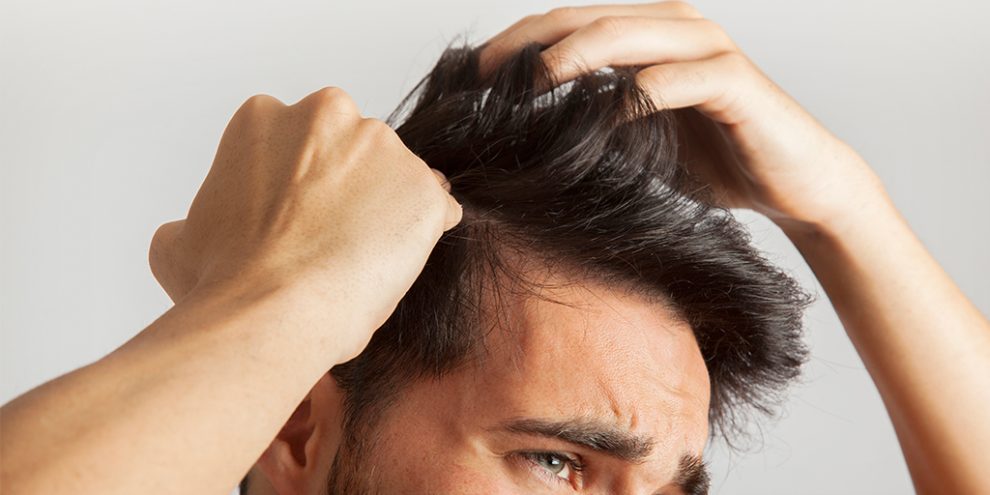
We all recognize dandruff—that annoying white flakiness that ends up on our scalp, hair, and sometimes even our favorite black shirt. But while it’s easy to spot, figuring out how to get rid of dandruff is a different story.
What Is Dandruff?
Dandruff is a common scalp condition affecting about 50% of people worldwide. It occurs when the scalp sheds excess dead skin cells. This flaking may be triggered by dry air, poor diet, harsh hair products, or the overgrowth of a naturally occurring yeast called Malassezia.
Dandruff is usually worse in winter due to dry air and tends to improve in warmer, humid months. While it’s not dangerous, it can be frustrating and persistent. In more severe cases, it may lead to or be associated with seborrheic dermatitis, which involves red, greasy patches along with flaking.
And yes—babies can get it too, often referred to as cradle cap, which usually resolves on its own by age 3.
Common Causes of Dandruff
- Dry Skin: The most common cause. Often seen with dry skin elsewhere on the body.
- Oily Skin (Seborrheic Dermatitis): Red, greasy skin with yellow or white scales, often on the scalp, eyebrows, and behind the ears.
- Not Shampooing Enough: Can lead to oil and dead skin buildup.
- Skin Conditions: Eczema and psoriasis often contribute to flaking.
- Fungal Overgrowth: Malassezia can irritate the scalp, causing excess skin cell shedding.
- Hair Products: Harsh shampoos and styling products may trigger irritation and flaking.
9 Natural Remedies for Dandruff
- Stay Hydrated
Dehydration can dry out your scalp. Drinking plenty of water helps support healthy skin. - Coconut Oil
Packed with antifungal properties, coconut oil fights the fungus behind dandruff. Apply it directly to the scalp for best results. - Essential Oils
Oils like tea tree, lemongrass, oregano, lavender, and thyme have antimicrobial and antifungal effects. They help reduce inflammation and fungal growth. Use them topically (diluted in a carrier oil) or in some cases, internally with caution and proper guidance. - Aloe Vera
Soothes irritated, itchy skin. It’s particularly effective for dandruff caused by seborrheic dermatitis. - Olive Oil
Temporarily removes flakes and moisturizes the scalp. Leave it on for 30–60 minutes before shampooing. - Stress Reduction
Stress worsens inflammation and skin issues. Try yoga, meditation, walks, or essential oil diffusers (like lavender) to help manage stress. - Apple Cider Vinegar (ACV)
ACV has antifungal properties and can help rebalance scalp pH. Mix equal parts ACV and water, apply to the scalp, leave for a few minutes, then rinse. - Probiotics
A healthy gut impacts overall inflammation and immunity. Probiotics can improve scalp health from within. - Omega-3 Fatty Acids
Found in fish, flaxseeds, and chia seeds, omega-3s support skin hydration and reduce inflammation. Supplementing may also help manage dandruff.
DIY Scalp Mask for Dandruff: Rosemary & Tea Tree Treatment
Ingredients:
- 8 drops cedarwood oil
- 8 drops rosemary oil
- 6 drops tea tree oil
- 1 tsp local honey
- 4 oz olive, almond, or coconut oil
Instructions:
- Mix all ingredients in a small container.
- Massage into your scalp and leave on for at least 20 minutes (or overnight for severe cases).
- Shampoo thoroughly.
Makes 2–3 uses. Store leftovers in an airtight container for up to 10 days.
What to Avoid to Prevent Dandruff
- Harsh Hair Products: Avoid shampoos with parabens, sodium lauryl sulfate (SLS), or sodium laureth sulfate (SLES).
- Over-washing: Shampooing too often can strip natural oils, irritating the scalp.
- Poor Diet: Cut back on processed foods, sugar, and inflammatory oils like corn, soy, and canola oil.
Bottom Line
Dandruff might be annoying, but it’s manageable with the right natural approach. Hydration, scalp-nourishing oils, stress management, and a healthy diet can go a long way in reducing flakes and keeping your scalp healthy.
Try incorporating some of these remedies and habits into your routine, and those white flakes could soon be a thing of the past.
What do you think about this article? Please share it and comment.
You would like to publish an article with us? Please contact us.
 General Health Magazine