
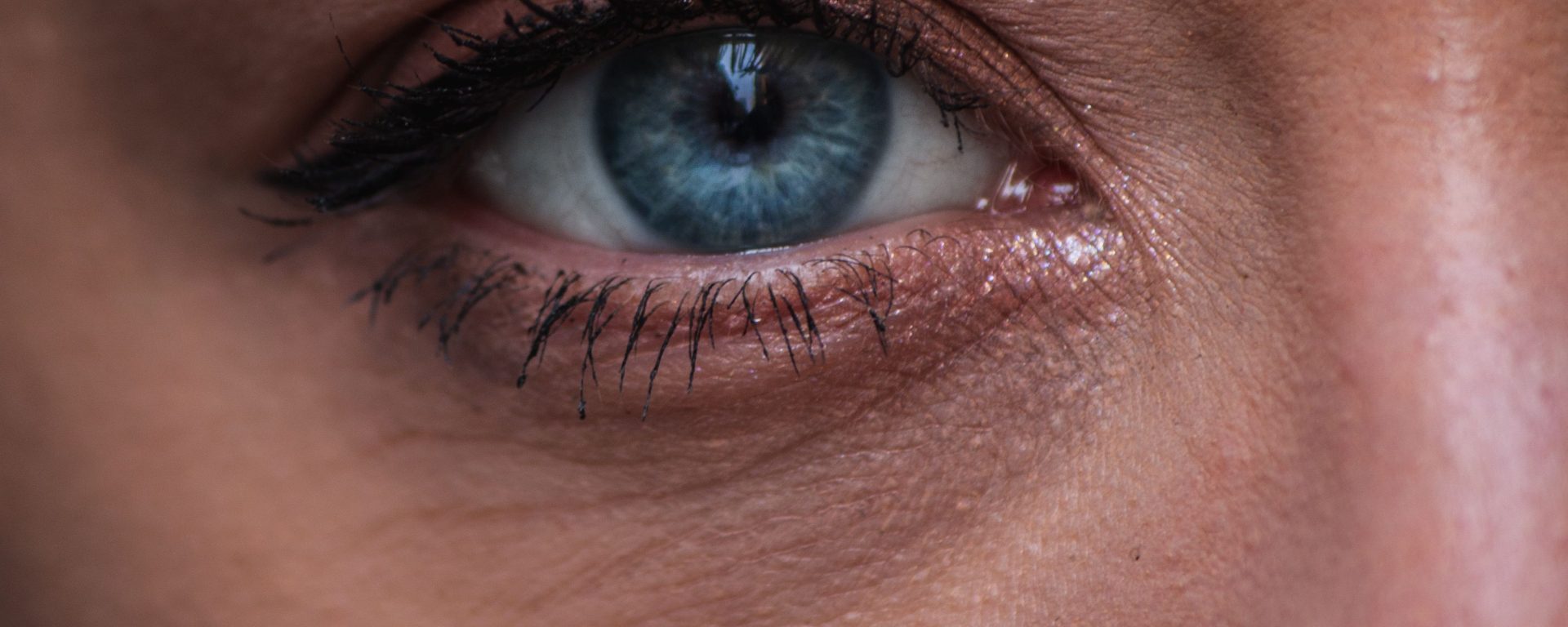
You can wake up after a full night of sleep and still feel as though your eyes have been working overtime.
They may feel dry, heavy, gritty, sensitive to light, or difficult to keep focused. Sometimes the problem is obvious: you spent hours staring at a screen. Other times, eye fatigue can appear even when your sleep was good and your day did not seem particularly demanding.
The good news is that tired eyes are often connected to everyday habits that can be adjusted.
What Does Eye Fatigue Feel Like?
Eye fatigue, sometimes called digital eye strain when it is related to prolonged screen use, can feel different from ordinary sleepiness.
Common sensations include:
- Dry or watery eyes
- Burning or irritation
- A feeling of heaviness around the eyes
- Difficulty maintaining focus
- Blurred vision that comes and goes
- Increased sensitivity to light
- Headaches around the forehead or temples
- A desire to close your eyes after concentrating
These symptoms can occur after reading, driving, computer work, gaming, or other activities that require sustained visual attention.
Screens Are Only Part of the Story
Digital devices receive much of the blame for tired eyes, but the bigger issue is often how we use them.
When concentrating on a screen, people tend to blink less frequently. Blinking spreads the tear film across the surface of the eye and helps maintain comfortable vision.
Long periods of close-up focusing can also keep the muscles involved in focusing active for extended periods.
The problem can become more noticeable when several factors occur at once: long screen sessions, dry indoor air, poor lighting, glare, and infrequent breaks.
Your Environment Matters
Your eyes do not work in isolation from your surroundings.
Air conditioning and heating can reduce indoor humidity and make the eyes feel drier. Fans blowing directly toward your face may have a similar effect.
Lighting can also make a difference. A very bright screen in a dark room creates a strong contrast that may feel uncomfortable, while excessive overhead lighting or reflections on a screen can create glare.
Instead of making the screen dramatically brighter or darker, aim for comfortable lighting that allows you to read without squinting.
The Simple Habit Most People Forget
Take regular visual breaks.
A practical approach is to periodically look away from close-up work and focus on something farther away. Even brief interruptions can give your eyes a chance to relax.
If you work at a computer, avoid treating breaks as something that only happens when you finish a task. Building short pauses into the work itself can be more realistic.
Stand up, look across the room, walk to get water, or simply spend a moment looking through a window.
Position Your Screen Carefully
Screen position can influence comfort.
A monitor that is extremely close may increase the demand on your focusing system. A screen positioned too high can also encourage you to keep your eyes opened more widely, potentially increasing discomfort if your eyes are already dry.
Try positioning the monitor at a comfortable distance and slightly below eye level.
For phones and tablets, avoid holding the device extremely close to your face for prolonged periods.
Do Not Forget Your Prescription
Sometimes what feels like tired eyes is actually an uncorrected or outdated vision prescription.
If you regularly experience headaches, blurred vision, difficulty reading, or eye strain despite improving your habits, an eye examination can help determine whether your vision correction needs to change.
Contact lenses can also contribute to dryness or irritation in some people, particularly after prolonged wear.
When Tired Eyes Need Attention
Occasional eye fatigue is usually not a reason for alarm.
However, persistent or worsening symptoms deserve professional attention.
Seek prompt medical care if eye discomfort occurs with sudden vision loss, severe eye pain, significant redness, a new disturbance in vision, severe headache, or other unusual symptoms.
Do not assume every visual change is simply screen fatigue.
A Better Daily Eye Routine
You do not need a complicated eye-care program.
Start with a few practical habits:
Take regular breaks from close-up work.
Blink consciously when concentrating.
Keep screens clean and reduce distracting glare.
Avoid having fans or vents blow directly toward your face.
Use comfortable lighting.
Keep reading material and screens at a reasonable distance.
Give contact lenses appropriate breaks when recommended.
Arrange routine eye examinations according to your age, health needs, and eye-care professional’s advice.
Your eyes perform thousands of tiny focusing and tracking movements every day. They deserve occasional pauses just as much as the rest of your body.
The goal is not to eliminate screen time completely. It is to make prolonged visual work more comfortable and recognize when ordinary tiredness has become something that deserves professional evaluation.
What do you think about this article? Please share it and comment.
You would like to ask a question, publish an article with us or place and advertisement? Please contact us.

