
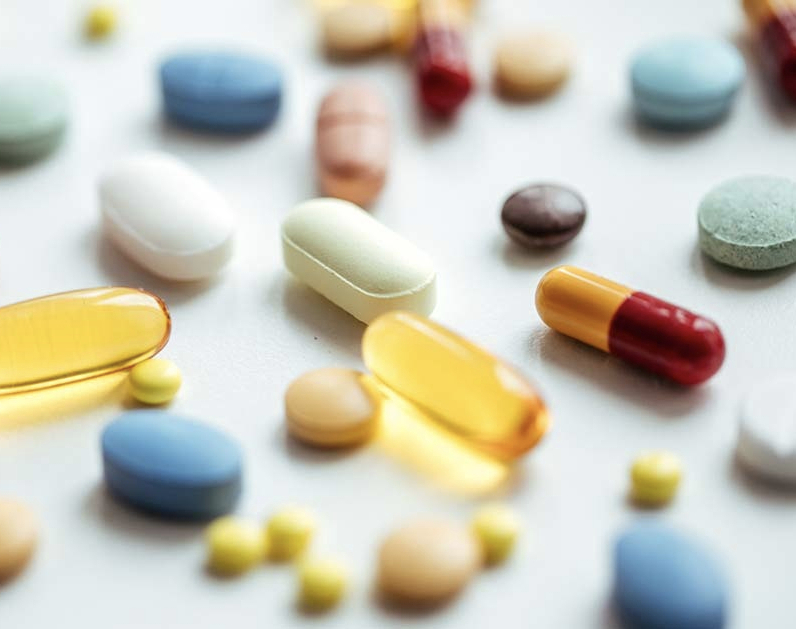
Vitamins are vital nutrients that help your body function properly—supporting everything from immunity and brain health to skin and bones. But taking too much of certain vitamins can be dangerous, a condition known as hypervitaminosis or vitamin toxicity.
How Vitamin Toxicity Happens
Overdosing on vitamins often occurs from excessive use of supplements, poor diet choices, or interactions with certain medications. Some medications can increase how much of a vitamin your body absorbs or add additional vitamin-like compounds, raising the risk of toxicity.
In 2017, there were nearly 60,000 cases of vitamin-related toxic exposures in the U.S.—with over 42,000 involving children under 5. Thankfully, serious health outcomes were much less common, but the potential risks make awareness crucial.
What Are Vitamins?
Vitamins are compounds your body needs in small amounts to stay healthy. They support energy production, cell repair, immune function, and much more. Because the body can’t make most vitamins, we must get them from food or supplements.
Common Essential Vitamins:
- Vitamin A
- B Vitamins (B1 through B12)
- Vitamin C
- Vitamin D
- Vitamin E
- Vitamin K
Fat-Soluble vs. Water-Soluble Vitamins
- Water-soluble vitamins (B vitamins and vitamin C) dissolve in water and are usually excreted in urine. Toxicity is rare but can occur with prolonged high doses.
- Fat-soluble vitamins (A, D, E, and K) are stored in the body’s fat tissues and liver. These can accumulate over time, making them more likely to cause toxicity if overused.
Because of this, fat-soluble vitamins pose a higher risk of overdose, especially with supplement misuse.
The Risks of Taking Too Many Vitamins
While certain medical conditions may require higher vitamin intake, exceeding recommended doses without medical guidance is risky. Below is an overview of each vitamin and the potential for toxicity.
Vitamin A
Role: Supports vision, immune function, and organ health
Sources: Liver, fish oil, dairy, eggs, carrots, sweet potatoes
- Recommended Daily Intake:
- Men: 900 mcg RAE (3,000 IU)
- Women: 700 mcg RAE (2,333 IU)
- Pregnant women: Avoid high-dose supplements
- Upper limit: 3,000 mcg RAE (10,000 IU)
Toxicity Symptoms:
- Skin redness, peeling
- Vision issues, nausea, dizziness
- Intracranial pressure
- Liver damage, bone pain
- Coma or death (in extreme cases)
- Carotenodermia (orange skin from too many carrots) is harmless
Risks Increase With:
- High-dose supplements or liver consumption
- Retinoid medications
- Pregnancy (risk of birth defects)
Treatment:
- Stop vitamin A intake
- Use activated charcoal or induce vomiting (only under medical guidance)
- Call Poison Control: 1-800-222-1222
B Vitamins
General Role: Support metabolism, brain, and muscle function
Low Risk of Toxicity Except For:
Vitamin B3 (Niacin)
- High doses (≥50 mg/day) can cause:
- Niacin flush (red, itchy skin)
- Liver damage with long-term use
- Worsening of ulcers, gout, and risk of muscle breakdown with statins
Vitamin B6
- Long-term use >100 mg/day can cause:
- Nerve damage (tingling, numbness)
- Poor coordination, skin lesions
Other B Vitamins (B1, B2, B5, B7, B9, B12) are considered safe even in high doses, though:
- B9 (Folic acid) can mask symptoms of vitamin B12 deficiency
- B3 is not safe in pregnancy in large doses
Vitamin C
Role: Antioxidant, tissue repair
Sources: Citrus fruits, potatoes, peppers
- Daily Recommendation:
- Men: 90 mg
- Women: 75 mg
- Upper limit: 2,000 mg
Excess Symptoms:
- Diarrhea, cramping, nausea
- Rarely serious, but uncomfortable
Vitamin D
Role: Helps absorb calcium and supports bones
Sources: Sunlight, fortified foods, fish
- Daily Recommendation:
- Adults <70: 600 IU (15 mcg)
- Adults >70: 800 IU (20 mcg)
- Upper limit: 4,000 IU (100 mcg)
Toxic Dose:
- 10,000 IU/day or more
Symptoms of Toxicity:
- High calcium levels → kidney stones, vomiting, thirst
- Confusion, weight loss, heart problems
- Increased risk of fractures and possibly cancer
Diagnosis & Treatment:
- Blood/urine tests for calcium and vitamin D
- Stop supplements; severe cases may require medical treatment
Vitamin E
Role: Antioxidant that protects cells
Sources: Vegetable oil, nuts, seeds, leafy greens
- Daily Recommendation: 15 mg
- Risk at >300 mg/day from supplements
Potential Effects of Excess:
- Increased risk of stroke, bleeding
- Linked to higher risk of prostate cancer in men
Vitamin K
Role: Helps with blood clotting
Sources: Leafy greens, milk, soy oil
- Daily Recommendation:
- Men: 120 mcg
- Women: 90 mcg
Supplement Caution:
- Avoid if taking anticoagulants like warfarin (Coumadin) — vitamin K can interfere with the medication.
Bottom Line: Use Vitamins Wisely
Vitamins are essential—but more isn’t always better. While deficiencies can be dangerous, overdosing on certain vitamins can cause serious health problems, especially fat-soluble ones like vitamins A, D, E, and K.
Tips for Safe Vitamin Use:
- Stick to recommended daily intakes
- Read supplement labels carefully
- Consult a healthcare provider before high-dose regimens
- Be cautious with multivitamins that contain preformed vitamin A
- Keep supplements out of reach of children
If you suspect a vitamin overdose, contact Poison Control immediately.
What do you think about this article? Please share it and comment.
You would like to publish an article with us? Please contact us.
 General Health Magazine