
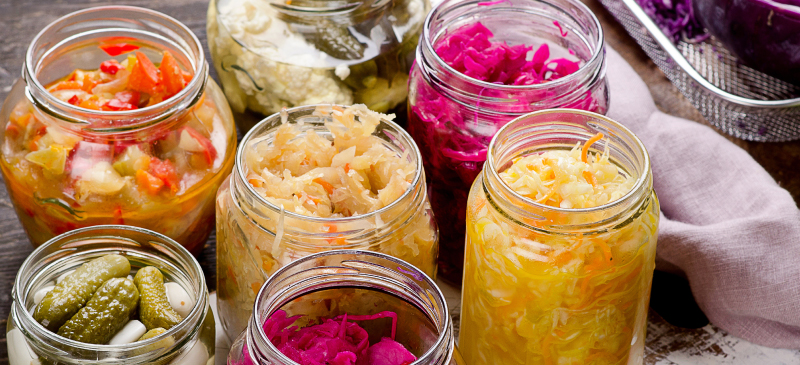
Fermentation is behind many of the world’s favorite foods and drinks—even if we don’t always realize it. Wine, beer, yogurt, aged cheeses, chocolate, and coffee all rely on this natural process. Yogurt in particular has been enjoyed for thousands of years across many cultures.
Historically, fermentation helped people preserve seasonal foods like grains, vegetables, and milk. Today, you can still make large batches of fermented foods—such as sauerkraut or yogurt—that stay fresh in the refrigerator for long periods.
Why Fermented Foods Matter
A substantial body of research shows that fermented (“cultured”) foods are one of the easiest ways to get beneficial probiotic bacteria into your daily diet. These foods support digestion, brain function, immune health, mineral absorption, allergy defense, and even help combat harmful microbes and yeast.
Top 13 Fermented Foods
1. Kefir
Kefir is a tangy, drinkable fermented milk (from cow, goat, or sheep milk). It’s rich in probiotics, B12, calcium, magnesium, vitamin K2, enzymes, folate, and biotin. Used for more than 3,000 years, the word “kefir” originates from Russia and Turkey and translates to “feeling good.”
2. Kombucha
Kombucha is black tea fermented with sugar and a SCOBY (a colony of bacteria and yeast). While it contains trace alcohol, the amount is extremely low. Other fermented foods, like yogurt or vegetables, typically contain none.
3. Sauerkraut
Dating back over 2,000 years, sauerkraut (“sour cabbage”) is made from fermented green or red cabbage. It’s packed with fiber, vitamins A, C, K, and B, plus minerals like iron, copper, and manganese.
Note: Not all store-bought versions are fermented—look for refrigerated, traditionally prepared varieties.
4. Pickles
Real fermented pickles offer probiotics, antioxidants, and minerals. Most store-bought pickles are made with vinegar—not fermentation—so look for “lactic acid fermented pickles” made with brine and organic cucumbers.
5. Miso
Miso is produced by fermenting soybeans, barley, or brown rice with koji. A staple in Japan and China for over 2,500 years, it’s most commonly used in miso soup.
6. Tempeh
Tempeh is a firm, cake-like product made when soybeans ferment with a live mold starter. It’s rich in probiotics and protein and offers a firmer, grainier texture than tofu.
7. Natto
Natto is a strong-smelling, sticky fermented soybean dish popular in Japan. Often eaten at breakfast, it’s high in probiotics—especially Bacillus subtilis—and contains the anti-inflammatory enzyme nattokinase.
8. Kimchi
A classic Korean dish dating to the seventh century, kimchi is made from fermented vegetables such as cabbage with garlic, ginger, chili, and other spices.
9. Raw Cheese
Raw, unpasteurized cheeses—especially those from goat, sheep, or A2 cows—contain probiotics like thermophillus, bifidus, bulgaricus, and acidophilus. Choose cheeses aged at least six months.
10. Yogurt
Yogurt is produced when starter cultures ferment lactose into lactic acid, creating its thick texture and tang. By law, yogurt must contain Lactobacillus bulgaricus and Streptococcus thermophilus.
For best results, choose organic, grass-fed varieties.
11. Apple Cider Vinegar
Raw ACV with “the mother” is fermented and contains some probiotics along with acetic acid, which supports gut health. Most supermarket vinegars aren’t probiotic.
12. Kvass
Kvass is a traditional fermented drink made from rye bread. It has a beer-like taste, contains probiotics, and is generally low-alcohol (0.5–1%). Some versions are flavored with fruit or herbs.
13. Sourdough Bread
Traditional sourdough is fermented but doesn’t contain live probiotics once baked. Fermentation does, however, make nutrients more absorbable and reduces antinutrients in grains.
How Fermentation Works
Fermentation occurs when natural sugars and carbohydrates interact with bacteria, yeasts, or microorganisms, altering the food’s chemical structure. This process generates acids, gases, and sometimes small amounts of alcohol. Fermentation enhances nutrient bioavailability and preserves foods for longer.
Fermenting Dairy and Vegetables
- Yogurt: Cultures ferment lactose into lactic acid, lowering pH and thickening the milk.
- Kefir: Similar to yogurt but uses kefir grains at room temperature, producing a wider range of bacteria and yeasts.
- Vegetables: Chopped and salted vegetables undergo lactic acid fermentation. Their acidity and low pH make them naturally shelf-stable.
Health Benefits
Fermented foods support nearly every system in the body. Probiotics help build a protective intestinal lining, deter pathogens, enhance immunity, regulate appetite, and reduce sugar cravings. They may also improve mood and mental health through the gut-brain connection.
Highlights From Common Fermented Foods
- Yogurt: Linked with healthier diets, better metabolic markers, and improved blood pressure.
- Kombucha: Provides probiotics, B vitamins, enzymes, and organic acids.
- Sauerkraut: May aid digestion, circulation, inflammation control, bone strength, and cholesterol balance.
- Pickles: A good source of vitamin K for bone and heart health.
- Kimchi: High in antioxidants and associated with reduced risk for diabetes, obesity, and cancer.
- Natto: Supports immune and cardiovascular health and enhances vitamin K2 digestion.
- Miso: Offers anti-aging and immune-boosting benefits and supports bone and nervous system health.
- Tempeh: Rich in B vitamins and protein; supports cholesterol reduction and muscle recovery.
Adding Fermented Foods to Your Diet
Start with about ½ cup per day and increase gradually to allow your gut to adjust. Eating a variety of fermented foods provides a broader probiotic profile.
They’re widely available at supermarkets, health-food stores, and farmers markets.
Making Fermented Foods at Home
You can ferment many foods—vegetables, grains, dairy, and soy. For vegetables:
- Chop or shred vegetables and place them in a jar.
- Cover with brine (salt + water), adding spices if desired.
- Weigh vegetables down so they stay submerged.
- Ferment for 2–7 days, depending on taste preference.
- Transfer to cold storage once finished.
Other recipes may require kefir grains, whey, yeast, or starter cultures.
Ideas for Using Fermented Foods
- Add sauerkraut or pickles to burgers.
- Blend yogurt or kefir into smoothies.
- Make dressings with ACV and add cultured veggies to salads.
- Replace meat with tempeh in bowls or stir-fries.
- Enjoy miso soup, kimchi stir-fries, or kombucha as a soda alternative.
Fermented Foods and Keto
Fermented vegetables like sauerkraut and kimchi fit well into keto diets. Small amounts of unsweetened, full-fat raw dairy may also be included. Aged cheeses are lowest in carbs, and ACV works well in keto-friendly dressings and marinades.
Fermented Foods in Ayurveda and Traditional Chinese Medicine
Both systems value fermented foods for digestion, nutrient absorption, and immune support. Ayurveda commonly pairs fermented foods with anti-inflammatory herbs, while TCM uses fermented vegetables, soy products, and pickled items to support the stomach, spleen, and overall Qi.
Precautions
Fermented foods are generally safe, but eating too much too soon may cause gas or bloating. Start slowly if you have a sensitive stomach. Choose organic foods with “live and active cultures,” and avoid products that have been heat-treated or contain unnecessary sugars or additives.
Final Thoughts
Fermented foods develop when natural sugars interact with microorganisms, transforming the food and creating probiotics. Regularly eating fermented foods—such as yogurt, sauerkraut, kefir, kimchi, miso, and more—can improve digestion, immunity, bone and heart health, metabolic function, and even mood.
What do you think about this article? Please share it and comment.
You would like to publish an article with us? Please contact us.
 General Health Magazine