
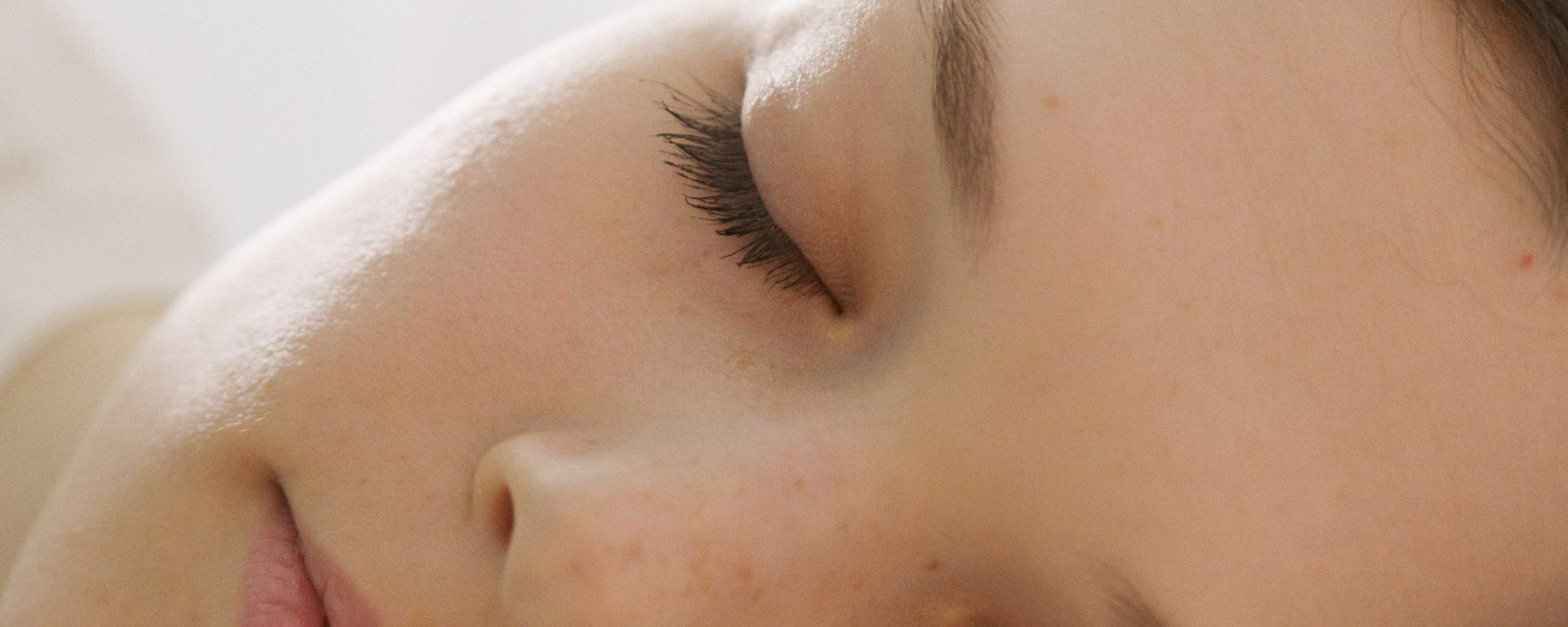
Skincare routines often focus on cleansers, moisturizers, serums, exfoliants, and sun protection. Yet one important factor influencing the appearance and condition of the skin is frequently underestimated: sleep.
Sleep is not simply a period of physical inactivity. It is an essential biological process during which the body regulates hormones, supports immune function, and carries out tissue maintenance and repair.
The relationship between sleep and skin health is particularly interesting because insufficient or poor-quality sleep can affect skin hydration, barrier function, inflammation, and the visible signs of aging.
Understanding this connection can help people develop more effective beauty routines that extend beyond cosmetic products.
What Happens to Skin During Sleep?
The skin is constantly renewing itself, responding to environmental exposure, and maintaining its protective barrier.
During sleep, the body undergoes changes in hormonal activity, blood circulation, and cellular regulation that support normal tissue maintenance.
Although skin repair occurs throughout the day, adequate sleep provides favorable conditions for several recovery processes.
Research suggests that persistent sleep deprivation may interfere with skin barrier function and increase susceptibility to environmental stressors.
How Poor Sleep Affects Skin Appearance
Insufficient sleep can influence several visible characteristics of the skin.
1. Dark circles and tired-looking eyes
Poor sleep may contribute to a tired appearance around the eyes. Changes in circulation, fluid distribution, and skin appearance can make under-eye shadows more noticeable.
However, dark circles are not exclusively caused by sleep deprivation. Genetics, allergies, pigmentation, and natural aging can also contribute.
2. Reduced skin hydration
Research has associated poor sleep quality with impaired skin barrier function. When the barrier becomes less effective, the skin may lose moisture more easily and become dry or uncomfortable.
3. Increased signs of skin aging
Long-term inadequate sleep may contribute to processes associated with premature skin aging, including increased oxidative stress and impaired recovery from environmental damage.
4. Increased skin sensitivity
A weakened skin barrier may make some individuals more susceptible to dryness, irritation, and sensitivity.
The Relationship Between Stress and Skin
Sleep and stress are closely connected.
When people regularly sleep poorly, their stress response may become more difficult to regulate. Stress-related hormonal changes can influence inflammatory processes and may aggravate certain skin conditions.
For individuals prone to acne, eczema, or other inflammatory skin problems, inadequate sleep may become one contributing factor among several.
It is important to remember that sleep alone does not determine whether someone develops a particular skin condition. Genetics, hormones, environmental exposure, and skincare habits also matter.
How Much Sleep Does Healthy Skin Need?
Most adults need approximately seven to nine hours of sleep each night.
However, sleep quality is just as important as duration. Frequent interruptions, irregular schedules, and difficulty falling asleep can reduce the restorative value of nighttime rest.
Several habits may help improve sleep quality:
- Maintain a consistent bedtime and waking time.
- Keep the bedroom dark, quiet, and comfortable.
- Reduce exposure to bright screens before bedtime.
- Avoid excessive caffeine late in the day.
- Develop a relaxing evening routine.
- Avoid heavy meals immediately before sleeping.
People experiencing persistent insomnia or excessive daytime sleepiness should consider professional medical advice.
Building a Nighttime Beauty Routine
A simple evening skincare routine can complement healthy sleeping habits.
Begin by removing makeup, sunscreen, and accumulated dirt using a gentle cleanser.
Apply a moisturizer appropriate for your skin type to help maintain hydration and support the skin barrier.
If using active ingredients such as retinoids or exfoliating acids, introduce them gradually and avoid combining too many potentially irritating products.
It is also important to maintain daily sun protection because ultraviolet exposure remains one of the major external contributors to premature skin aging.
Expensive nighttime products cannot compensate for consistently inadequate sleep.
Conclusion
Healthy-looking skin depends on much more than cosmetic treatments. Sleep plays an important supporting role in the body’s natural recovery processes and may influence hydration, skin barrier function, inflammation, and visible signs of aging.
A consistent sleep schedule, balanced nutrition, appropriate skincare, and daily sun protection create a more comprehensive approach to maintaining skin health.
Rather than viewing sleep as separate from beauty, it should be recognized as one of the foundations of a healthy and sustainable skincare routine.
What do you think about this article? Please share it and comment.
You would like to ask a question, publish an article with us or place and advertisement? Please contact us.

