
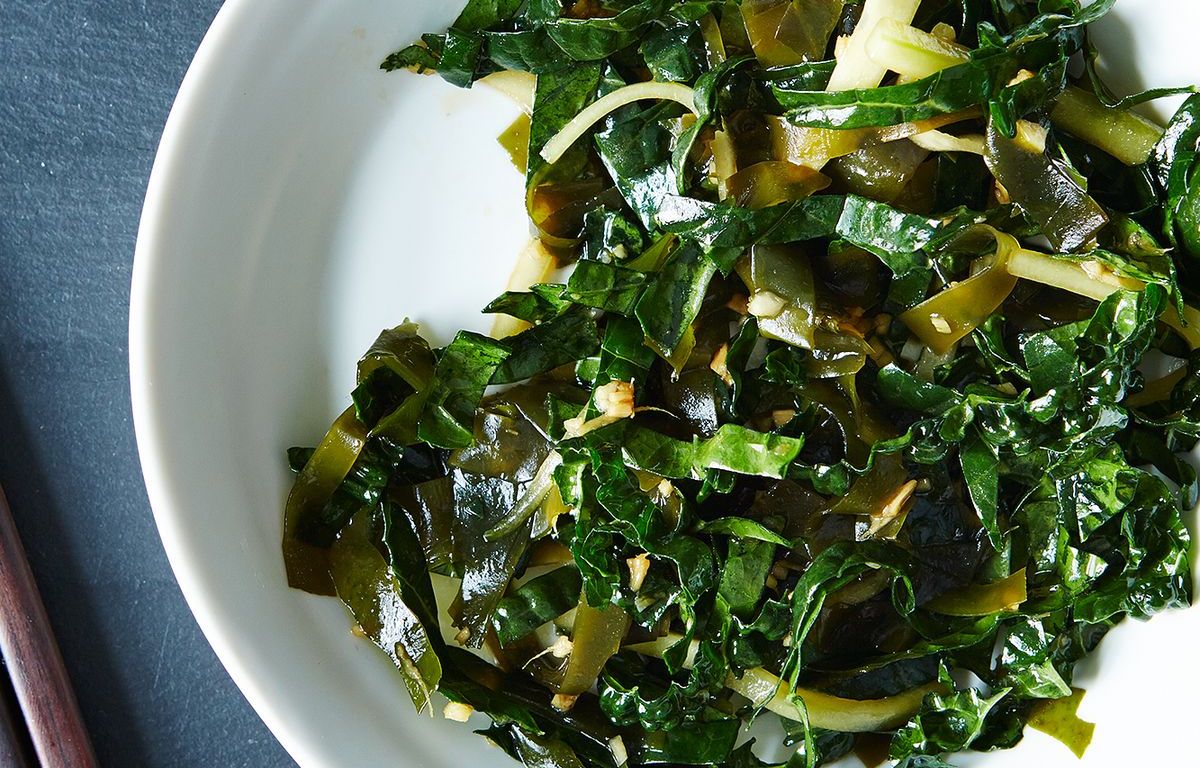
Today, kale is practically synonymous with healthy eating. But not long ago, this leafy green was dismissed as a bitter garnish—something used more for decoration than nutrition. Now, another once-overlooked food is gaining similar attention and earning comparisons to kale: kelp.
Kelp is a type of seaweed that’s beginning to appear in unexpected forms such as jerky and pickles. While seaweed has long been a staple in many Asian cuisines, kelp remains relatively unfamiliar to most Americans. So why is it suddenly everywhere?
When Did the Kelp Craze Begin?
The rise of kelp didn’t happen overnight. Interest in the algae has been building steadily over the past several years. In 2015, British chef Jamie Oliver credited kelp and other low-calorie, nutrient-dense foods with helping him lose nearly 30 pounds. Around the same time, seaweed farmers began declaring that “kelp is the new kale,” predicting it would become the next big food trend.
Since then, kelp has moved closer to the mainstream, fueled by social media and the growing popularity of plant-based and sustainable foods. Images of kelp jerky and pickled seaweed now regularly appear across Instagram feeds and health blogs.
How Do You Eat Kelp?
Kelp is available in several forms, including pickles, powders, and jerky. However, registered dietitian Melanie Boehmer of Lenox Hill Hospital recommends consuming kelp as close to its natural state as possible.
“If you visit an Asian market, there’s a good chance you’ll find fresh varieties to experiment with,” Boehmer explains. She suggests thinking of kelp as a condiment rather than a main dish, noting that excessive intake can lead to overly high levels of certain minerals.
Boehmer also cautions that kelp can absorb heavy metals, such as arsenic and lead, from seawater. For safety, it’s best to choose certified organic products that have been tested for contaminants.
Kelp pairs well with seafood and can be added to soups, salads, or used as a flavorful topping.
Is Kelp Really the New Kale?
Calling kelp “the new kale” may be an exaggeration, but its nutritional benefits are hard to ignore. Kelp is rich in antioxidants like vitamin C, as well as minerals such as manganese and zinc. These nutrients help reduce oxidative stress and support heart health.
Some claims suggest seaweed may help prevent chronic diseases like cancer, though these benefits have not been definitively proven. What is clear, however, is that kelp provides nutrients that are often missing from land-based vegetables.
“Kelp absorbs a wide range of minerals from seawater and ocean soil,” Boehmer explains. “It’s especially high in iodine, which is essential for proper thyroid function and metabolism.”
Additionally, kelp contains omega-3 fatty acids, making it a valuable option for individuals who don’t eat fish.
The Bottom Line
While kelp may not be a miracle food, it can be a smart and nutritious addition to a balanced diet.
“There’s no such thing as a single ‘superfood,’” Boehmer says. “But kelp is rich in minerals and fiber and can be a tasty, unique complement to green leafy vegetables.”
Like kale before it, kelp’s rise reminds us that sometimes the most powerful foods are the ones we’ve overlooked all along.
What do you think about this article? Please share it and comment.
You would like to publish an article with us? Please contact us.
 General Health Magazine