
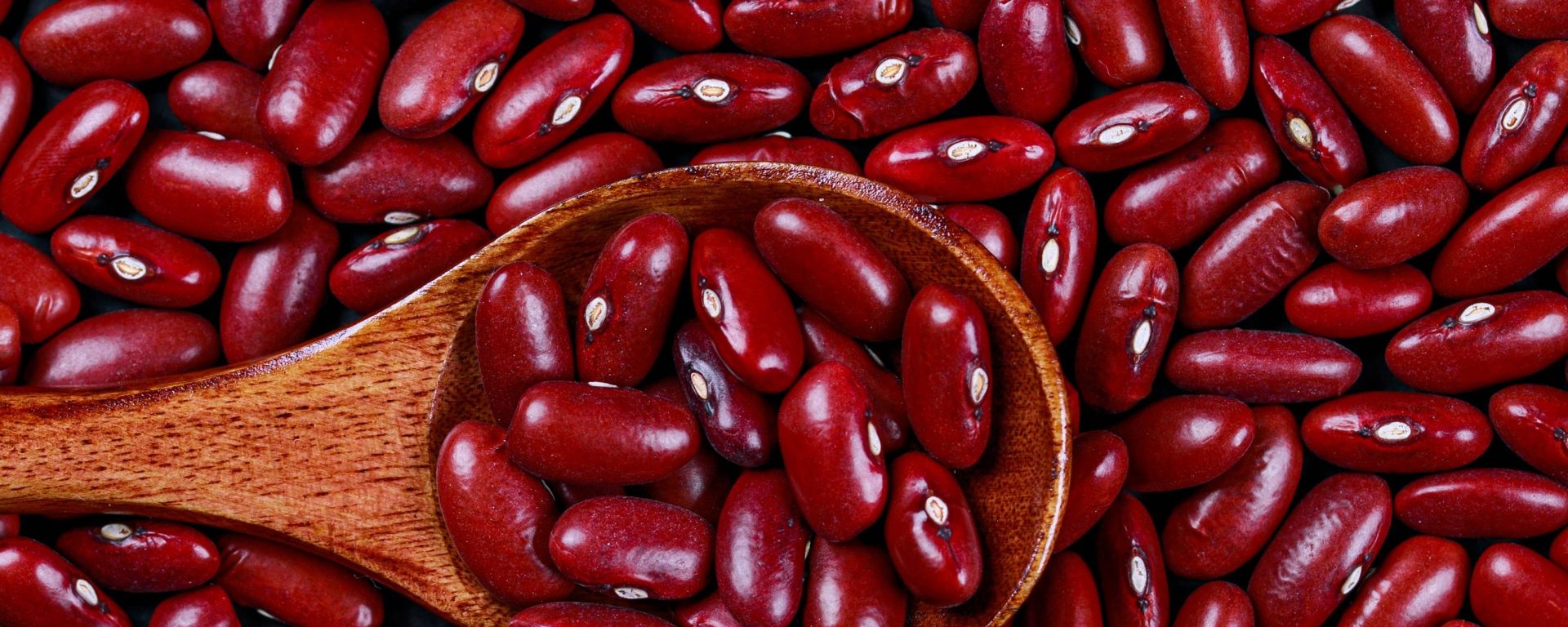
Beans are not usually presented as exciting food.
They rarely dominate wellness headlines, and they do not need elaborate preparation to become useful.
But beans are one of the most versatile foods available. They can provide plant-based protein, fiber, complex carbohydrates, and a variety of vitamins and minerals while working in everything from soups to salads.
Their biggest advantage may be how easily they fit into ordinary meals.
More Than Just a Protein Source
Beans contain a combination of nutrients that makes them different from many other protein foods.
They provide protein along with dietary fiber and carbohydrates.
That combination can make a bean-based meal more filling than a meal centered around a highly refined carbohydrate alone.
Different varieties also have different nutritional profiles.
Black beans, kidney beans, chickpeas, cannellini beans, pinto beans, lentils, and other legumes can all bring slightly different flavors and textures to a meal.
Fiber Is One of Their Biggest Strengths
Fiber is important for digestive health and plays a role in how quickly food moves through the digestive system.
Many people do not consume enough fiber.
Adding beans can be a practical way to increase intake because they can be incorporated into meals without requiring a major change in eating habits.
A bowl of soup, a salad, a wrap, or a grain-based dish can all accommodate beans.
Beans Can Make Meals More Satisfying
One reason beans are useful is their combination of protein and fiber.
Meals containing both can be satisfying and may help reduce the temptation to keep looking for another snack shortly after eating.
That does not mean beans are a weight-loss food or that eating them automatically controls appetite.
Overall eating patterns, portion sizes, activity, sleep, individual health factors, and many other variables influence appetite and body weight.
Beans are simply one nutritious ingredient that can contribute to a satisfying meal.
Canned Beans Are Still Useful
Some people assume that healthy eating requires everything to be cooked from scratch.
It does not.
Canned beans can be extremely convenient.
If you use canned beans, check the label and consider choosing varieties with lower sodium when appropriate. Rinsing and draining canned beans can also reduce some of the surface sodium.
Convenience can make healthy eating easier.
A food that takes five minutes to prepare is often more useful in everyday life than a theoretically perfect meal that requires an hour of preparation.
How to Add More Beans
You do not need to redesign your diet.
Try adding chickpeas to a salad.
Mix black beans into a grain bowl.
Use lentils in soup.
Add kidney beans to chili.
Blend white beans into a vegetable soup for extra creaminess.
Mash beans into a spread for toast or wraps.
Combine beans with rice, vegetables, herbs, and a flavorful dressing.
The goal is to make them part of meals you already enjoy.
What About Digestive Discomfort?
Beans can cause gas or bloating, particularly when someone suddenly increases their intake.
This happens partly because certain carbohydrates in legumes are fermented by bacteria in the large intestine.
If you are not used to eating much fiber, increase portions gradually.
Drinking enough fluids and introducing different high-fiber foods progressively can also make the transition easier.
People with specific gastrointestinal conditions may need individualized dietary advice.
Pair Beans With Other Foods
Beans do not have to be eaten alone.
They work particularly well with vegetables, whole grains, herbs, spices, nuts, seeds, dairy foods, eggs, or other protein sources depending on the meal and your dietary preferences.
This variety also keeps meals interesting.
A black bean bowl with tomatoes, corn, avocado, and lime tastes completely different from a lentil soup with carrots and herbs.
Healthy eating does not have to mean eating the same foods every day.
A Budget-Friendly Nutrition Strategy
Beans can also be useful for people trying to make nutritious meals without spending excessively.
Dried beans are generally inexpensive, while canned beans offer convenience at a modest cost.
They can extend meals without requiring large quantities of meat or other more expensive ingredients.
For households trying to improve their diet while keeping food spending manageable, that combination of nutrition, versatility, and affordability is valuable.
The Bigger Picture
There is no single food that can guarantee good health.
Beans are not a miracle ingredient, and eating them does not compensate for an otherwise unbalanced diet.
Their value comes from what they contribute to an overall eating pattern.
They provide fiber, plant-based protein, useful micronutrients, and culinary flexibility.
Most importantly, they are easy to use.
Sometimes the most useful nutrition advice is not about discovering an exotic ingredient.
It is about rediscovering ordinary foods that have been quietly doing their job for generations.
Beans belong on that list.
What do you think about this article? Please share it and comment.
You would like to ask a question, publish an article with us or place and advertisement? Please contact us.

