
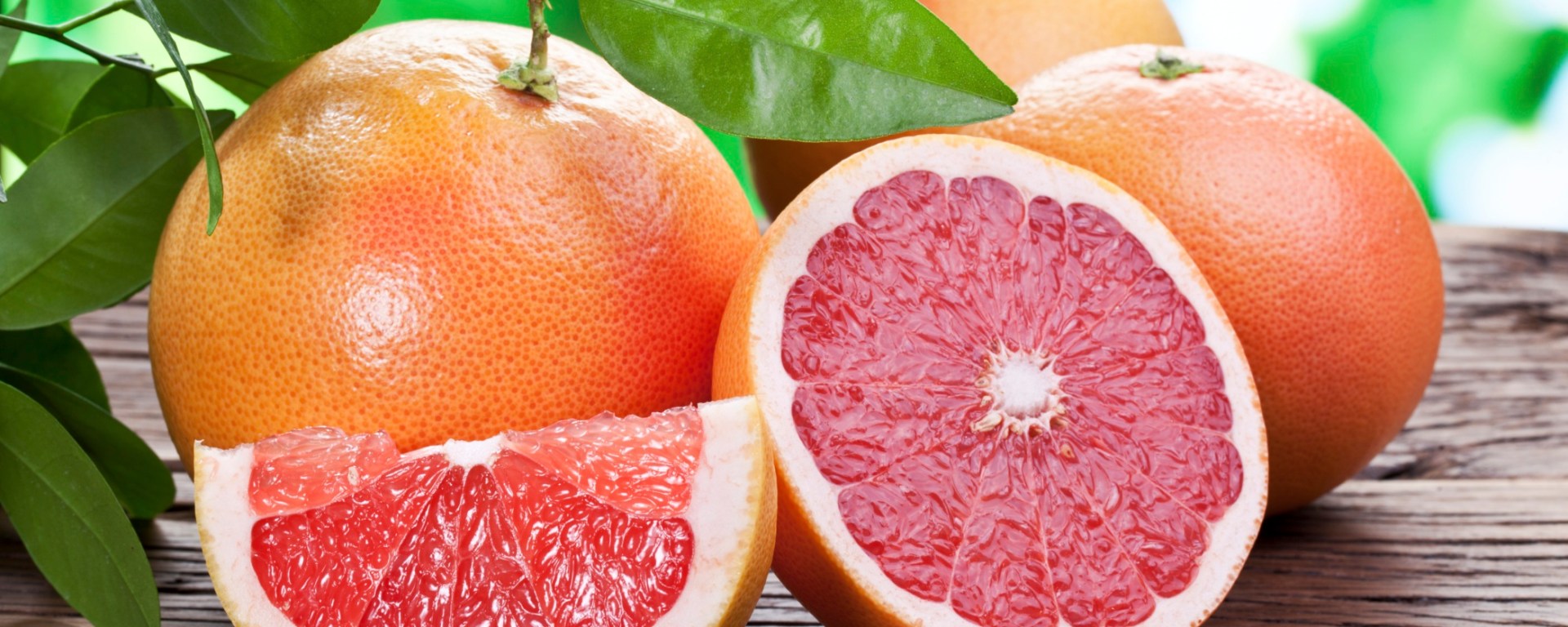
Grapefruit Seed Extract: Surprising Benefits from a Citrus Powerhouse
When you eat a grapefruit, what do you typically do with the seeds? Most people toss them aside without a second thought. But what if those bitter little seeds held some impressive health benefits—especially in the form of grapefruit seed extract (GSE)?
It’s no secret that grapefruit itself supports weight loss, boosts immunity, and helps reduce cellulite. But grapefruit seed extract offers its own unique range of benefits—many of which overlap with those of grapefruit essential oil. Holistic health practitioners often recommend GSE for its antibacterial, antiviral, and antifungal properties, citing its effectiveness for conditions like candidiasis, ear infections, sore throats, and diarrhea.
Is GSE Safe?
Despite its benefits, GSE is not without controversy. Some commercial products have been found to contain synthetic and potentially harmful preservatives like benzethonium chloride and triclosan. These additives, not the grapefruit seed itself, are the primary source of concern.
To avoid these risks, always check the ingredient list and buy only from trusted brands. Pure grapefruit seed extract, without adulterants, has demonstrated strong antimicrobial properties in both lab and clinical settings.
6 Proven Benefits of Grapefruit Seed Extract
1. Fights Candida
Candidiasis is a common yeast infection affecting areas like the mouth, gut, skin, and reproductive tract. A Polish study found that a 33% GSE solution was highly effective against Candida albicans, helping eliminate yeast overgrowth by attacking the fungal cells directly.
2. Kills Antibiotic-Resistant UTIs
A 2005 case study reported that grapefruit seeds helped clear up urinary tract infections (UTIs) that were resistant to antibiotics. Patients who took 5–6 seeds every eight hours for two weeks experienced major improvements, suggesting GSE could be a powerful natural alternative.
3. Treats Fungal Infections like Histoplasmosis
Histoplasmosis, caused by airborne spores often found in bird and bat droppings, can be dangerous for immunocompromised individuals. GSE, taken in capsule or liquid form three times daily, may help support recovery thanks to its immune-boosting and antifungal effects.
4. Relieves Athlete’s Foot and Nail Fungus
As a topical treatment, full-strength GSE can be applied directly to areas affected by athlete’s foot or nail fungus. Use two to three times per day until symptoms improve. It’s also an effective alternative to tea tree oil for toenail infections.
5. Eases Digestive Issues Linked to Eczema
One study involving eczema sufferers with digestive problems found that GSE capsules improved symptoms like constipation, gas, and bloating. GSE was particularly effective against bacteria and yeast contributing to gut imbalances, helping reduce skin inflammation from the inside out.
6. Acts as a Broad-Spectrum Antimicrobial
GSE’s antimicrobial effects extend far beyond internal use. It’s often added to:
- Throat sprays, nasal drops, mouthwashes, and toothpastes
- Household cleaners and disinfectant sprays
- Laundry and carpet cleaning solutions
- Nebulizers and humidifiers
- Hot tubs and pools (as a chlorine alternative)
- Animal feed to prevent infections
What Is Grapefruit Seed Extract Made From?
GSE is derived from the seeds, pulp, and membranes of the grapefruit (Citrus paradisi). The extract is created by grinding these parts into a highly acidic liquid, which is then processed into a thick, bitter concentrate—often mixed with vegetable glycerin to reduce its harshness.
Key active compounds in GSE include limonoids and naringenin, both potent polyphenols with antioxidant and antimicrobial effects.
You can also get similar benefits by consuming whole grapefruit—seeds, membranes, and all—though the taste may be intense.
Grapefruit Seed Extract: Fun Facts
- GSE was discovered by American immunologist Jacob Harich in 1972.
- Grapefruit was once known as the “forbidden fruit” of Barbados.
- GSE is used by European farmers in animal feed to prevent salmonella and E. coli infections.
- It’s found in natural cosmetic and personal care products for its preservative and antimicrobial qualities.
- Don’t confuse grapefruit seed extract with grape seed extract—two entirely different substances from different fruits.
How to Choose and Use GSE
Forms Available:
- Liquid concentrate
- Capsules
- Tablets
Typical Dosage:
- Liquid: 10–12 drops in at least 5 oz of water, 1–3 times per day
- Capsules/Tablets: 100–200 mg, 1–3 times per day
Always follow the directions on the label or consult a healthcare provider. If taking for more than 3 days, it’s advisable to supplement with a probiotic to support gut health, as GSE may reduce beneficial bacteria.
Storage Tip: Keep away from heat and direct sunlight.
If you’re hesitant about supplements, you can eat the seeds and white membranes of fresh grapefruit or include them when juicing.
Potential Side Effects and Precautions
Talk to your doctor before using GSE if you:
- Are taking blood thinners or post-transplant medications
- Are pregnant or breastfeeding
- Have allergies or chronic health conditions
Cautions:
- Don’t apply GSE in full strength to sensitive areas (mouth, ears, eyes, nose).
- Side effects are rare but can include nausea, vomiting, tongue swelling, and mouth/throat irritation.
- Seek medical help immediately if you notice allergic reactions like facial swelling, chest tightness, or difficulty breathing.
Final Thoughts
Grapefruit seed extract is a versatile natural remedy with a wide range of potential uses—from fighting candida and UTIs to treating fungal infections and digestive disturbances. Thanks to its strong antimicrobial properties, it’s also used in natural cleaning products, skincare, and food preservation.
To use it safely:
- Always choose high-quality, additive-free products
- Follow proper dosage guidelines
- Consider pairing it with probiotics if using for several days
Whether you’re battling an infection or looking for a natural household cleaner, GSE might just be the citrus-based solution you didn’t know you needed.
What do you think about this article? Please share it and comment.
You would like to publish an article with us? Please contact us.
 General Health Magazine