
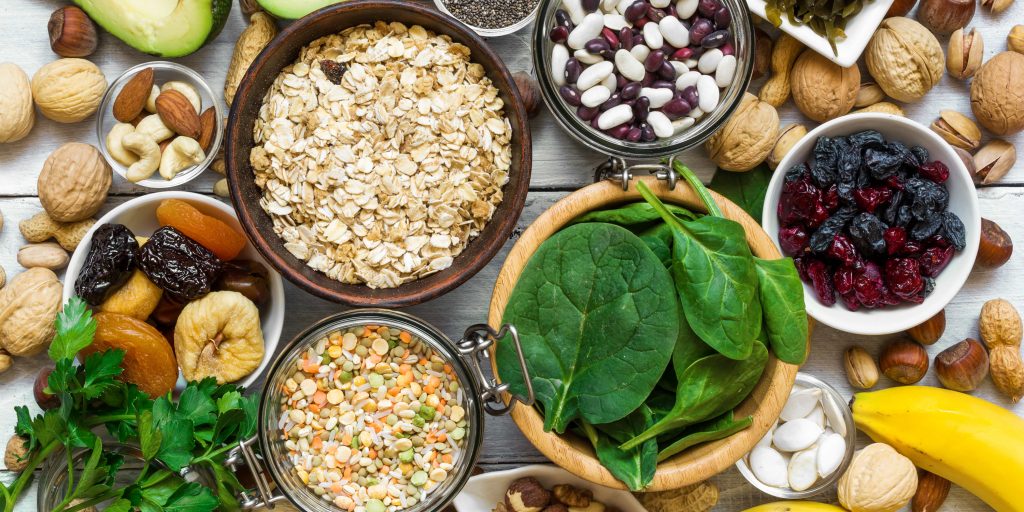
Magnesium is a vital mineral that plays a crucial role in over 300 enzymatic reactions in the human body. From supporting heart health and muscle function to reducing anxiety and improving sleep, magnesium is a cornerstone of overall wellness. Yet, many people fall short of meeting their daily magnesium needs.
In this article, we’ll explore:
- The top 20 magnesium-rich foods
- The key benefits of magnesium
- Types of magnesium supplements
- Recommended daily dosage
Top 20 Magnesium-Rich Foods
These foods are naturally high in magnesium and easy to incorporate into your daily meals:
| Food | Magnesium per 100g (approx.) |
|---|---|
| 1. Pumpkin seeds | 534 mg |
| 2. Chia seeds | 335 mg |
| 3. Almonds | 270 mg |
| 4. Spinach (cooked) | 87 mg |
| 5. Cashews | 260 mg |
| 6. Dark chocolate (70-85%) | 228 mg |
| 7. Black beans (cooked) | 70 mg |
| 8. Avocados | 29 mg |
| 9. Tofu (firm) | 53 mg |
| 10. Quinoa (cooked) | 64 mg |
| 11. Swiss chard (cooked) | 81 mg |
| 12. Salmon (wild-caught) | 30 mg |
| 13. Mackerel | 60 mg |
| 14. Brown rice (cooked) | 44 mg |
| 15. Figs (dried) | 68 mg |
| 16. Bananas | 27 mg |
| 17. Yogurt (plain, low-fat) | 19 mg |
| 18. Edamame | 61 mg |
| 19. Whole wheat bread | 78 mg |
| 20. Oats (raw) | 177 mg |
Tip: Roasting or processing can reduce magnesium levels slightly, so opt for raw or lightly cooked options when possible.
Benefits of Magnesium
Magnesium contributes to a wide range of bodily functions, including:
1. Muscle & Nerve Function
Magnesium regulates muscle contractions and nerve signals. It can help reduce cramps, spasms, and even migraines.
2. Bone Health
Around 60% of the body’s magnesium is stored in the bones. It works in tandem with calcium and vitamin D to maintain strong bones and prevent osteoporosis.
3. Heart Health
Magnesium helps maintain a steady heartbeat and may reduce the risk of high blood pressure, stroke, and heart disease.
4. Improved Sleep
Magnesium supports melatonin production and calms the nervous system, aiding deeper and more restful sleep.
5. Mental Health
Low magnesium levels are linked to increased anxiety, depression, and irritability. Supplementation may ease symptoms.
6. Blood Sugar Regulation
Magnesium plays a role in insulin metabolism and may improve blood sugar control, particularly in people with type 2 diabetes.
Magnesium Supplements
For those not meeting magnesium needs through diet alone, supplements are an option. Different forms have different uses and absorption rates:
Common Types of Magnesium Supplements:
| Type | Best For | Notes |
|---|---|---|
| Magnesium Citrate | Constipation, general use | High absorption, gentle laxative effect |
| Magnesium Glycinate | Anxiety, sleep, muscle cramps | Calming, good for long-term use |
| Magnesium Oxide | Indigestion, constipation | Less bioavailable, may cause loose stools |
| Magnesium Threonate | Cognitive health | Crosses blood-brain barrier |
| Magnesium Malate | Fatigue, fibromyalgia | Energy production, well absorbed |
Recommended Daily Dosage
The Recommended Dietary Allowance (RDA) for magnesium varies by age, gender, and life stage:
| Group | RDA |
|---|---|
| Adult men (19-30) | 400 mg/day |
| Adult men (31+) | 420 mg/day |
| Adult women (19-30) | 310 mg/day |
| Adult women (31+) | 320 mg/day |
| Pregnant women | 350-360 mg/day |
| Lactating women | 310-320 mg/day |
Safe Upper Limit from Supplements: 350 mg/day (does not include food sources)
Note: High doses from supplements can cause diarrhea or stomach cramps. Always start with a lower dose and increase gradually. Speak with a healthcare provider before beginning any new supplement regimen.
Signs of Magnesium Deficiency
Magnesium deficiency is common and can be caused by poor diet, alcohol use, certain medications, or health conditions. Symptoms include:
- Muscle cramps or twitches
- Fatigue or weakness
- Nausea or loss of appetite
- Irregular heartbeat
- Numbness or tingling
- Mood changes
If you suspect a deficiency, a blood test and professional evaluation are recommended.
Conclusion
Magnesium is a cornerstone nutrient for health, yet many people don’t get enough. The good news is that with magnesium-rich foods and (if needed) smart supplementation, it’s easy to meet your needs.
Quick Tips to Boost Magnesium:
- Snack on nuts and seeds
- Add leafy greens to smoothies or omelets
- Switch to whole grains like brown rice or quinoa
- Choose magnesium-rich supplements wisely
Taking proactive steps today can help improve your energy, sleep, heart health, and more tomorrow.
What do you think about this article? Please share it and comment.
You would like to publish an article with us? Please contact us.
 General Health Magazine