
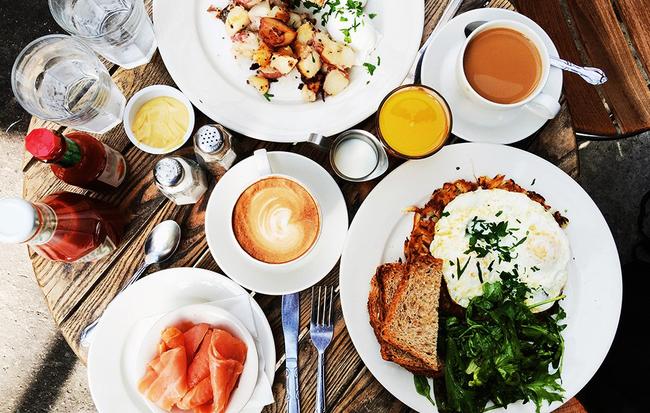
Forget the fad diets: The key to weight loss—or, at least, staving off weight gain—may have more to do with the size of your meals and when you’re eating them, a new study in the Journal of Nutrition suggests.
And breakfast mattered, too: Those who made it a point to eat that first meal had BMIs that decreased over the study, while those that skipped the meal tended to put on weight.
Related: The 10 Best Morning Snacks For Weight Loss
What’s more, how much they ate at that meal mattered, too. Those who made breakfast their largest meal of the day had significant decreases in BMI compared to those who ate their largest meal at dinner. Those who made lunch their main meal were also slimmer than the large dinner eaters, but the effect wasn’t quite as strong as it was with breakfast.
There are a bunch of potential factors that may explain how your eating time and volume affects your weight. One in particular? Eating a large breakfast not only reduces hunger in the short term, but it also reduces the spike in the hunger hormone ghrelin, the study authors write. That’s important, since it might also tamp down cravings, and prevent you from overeating later on.
Still, some people find that eating in a set window leaves them hungry when their feeding time is over for the day. If you want to give techniques like intermittent fasting a shot, try bumping up your protein intake in your meals, says obesity specialist Spencer Nadolsky, D.O. (And here’s how to find out if intermittent fasting will work for you.)
Source: These 4 Simple Eating Habits Might Help Keep Your Weight In Check
 General Health Magazine