
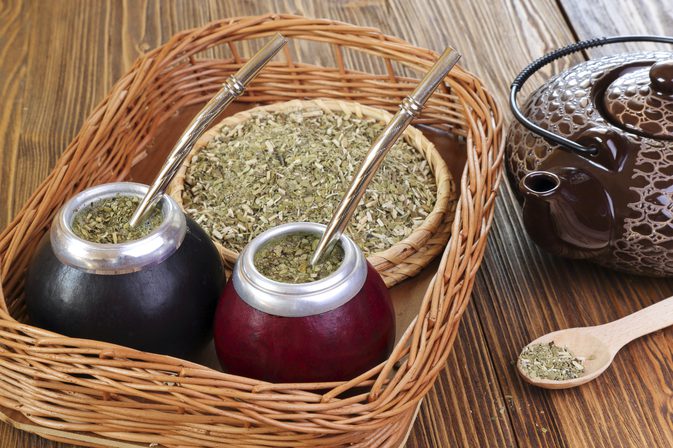
If you believe the hype, yerba mate might seem like a miracle drink—capable of giving you the energy to run 10 miles, even if the most exercise you’ve had lately is walking to the fridge.
But is this “natural energy drink” really as powerful as it sounds?
What Is Yerba Mate?
Yerba mate is a traditional South American tea made from the dried leaves of the Ilex paraguariensis plant, commonly enjoyed in countries like Brazil, Paraguay, and Argentina. An 8-ounce cup contains around 30 mg of caffeine—roughly one-third of what you’d get from coffee—but also includes other compounds that stimulate the brain, heart, muscles, and blood vessels.
Like green tea, it’s rich in antioxidants—actually, even richer. “It’s even higher than green tea,” says Christy Brisette, R.D., president of 80 Twenty Nutrition.
Potential Benefits of Yerba Mate
While research is still emerging, some studies suggest yerba mate may offer a range of health perks:
1. Increased Focus and Energy
Thanks to its caffeine content, yerba mate can help improve mental focus and energy levels. “It enhances concentration, supports physical performance, and can even help with fatigue,” says Brisette. Some people use it for chronic fatigue, though clinical evidence is lacking.
2. Digestive Support
Like coffee, yerba mate’s caffeine content may stimulate bowel movements. While it might help ease mild constipation, stronger options like coffee or actual laxatives are typically more effective.
3. Improved Cholesterol
One study found that drinking about a cup and a half of yerba mate daily for 40 days significantly reduced LDL (“bad”) cholesterol. Antioxidants in the tea are thought to be responsible for this effect.
4. Fat Burning Potential
Yerba mate may support fat loss, though the data is limited. In one small study, overweight participants taking 3 grams of yerba mate extract daily lost an average of 1.5 pounds over 12 weeks—without changing anything else. Another small trial showed enhanced fat burning during exercise when participants took yerba mate beforehand. Still, researchers don’t yet know the optimal dose, and more studies are needed.
5. Blood Sugar Control (Maybe)
Early research suggests drinking yerba mate tea three times a day for two months may help lower blood sugar levels in people with diabetes. However, this finding comes from a small study and high caffeine intake can actually complicate blood sugar control in diabetics, so proceed with caution.
6. Immune System Support
Yerba mate is high in antioxidants, which have anti-inflammatory effects. “It has the potential to support immune function and heart health,” says Brisette, “but so far, that’s just hypothetical. We need more research.”
Bottom Line
Yerba mate isn’t a magic bullet, but it’s more than just trendy tea. With moderate caffeine, high antioxidant levels, and potential metabolic and cardiovascular benefits, it could be a smart addition to your routine—just don’t expect it to replace a balanced diet, regular exercise, or actual medical treatment.
What do you think about this article? Please share it and comment.
You would like to publish an article with us? Please contact us.
 General Health Magazine