
Breast cancer is one of the most common cancers affecting women worldwide. While genetics and other uncontrollable factors play a role, growing research shows that lifestyle choices—including diet—can significantly influence breast cancer risk and outcomes.
Certain foods contain powerful nutrients that support the body’s defense against cancer, while others may promote inflammation, hormone imbalance, or create an environment favorable for cancer growth. Whether you’re aiming for prevention or supporting your body during treatment and recovery, here’s a comprehensive guide to breast cancer-fighting foods—and what to avoid.
Foods That Fight Breast Cancer
1. Cruciferous Vegetables
- Examples: Broccoli, cauliflower, Brussels sprouts, kale, cabbage.
- Why they help: These vegetables contain sulforaphane and indole-3-carbinol, compounds shown to block the growth of cancer cells and help detoxify estrogen, potentially reducing hormone-sensitive cancer risk.
2. Berries
- Examples: Blueberries, strawberries, raspberries, blackberries.
- Why they help: Rich in antioxidants like anthocyanins and ellagic acid, berries help reduce oxidative stress and inflammation, both of which are linked to cancer development.
3. Fatty Fish
- Examples: Salmon, sardines, mackerel.
- Why they help: These are high in omega-3 fatty acids, which have anti-inflammatory properties and may help slow the growth of breast cancer cells.
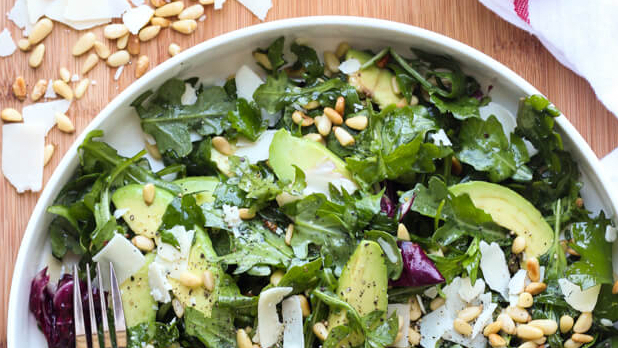
4. Leafy Greens
- Examples: Spinach, arugula, collard greens, Swiss chard.
- Why they help: High in fiber, folate, and carotenoids, leafy greens help regulate cell growth and protect DNA from damage.
5. Legumes
- Examples: Lentils, chickpeas, black beans.
- Why they help: Packed with fiber, phytoestrogens, and plant protein, legumes may reduce the risk of hormone-related cancers by helping regulate estrogen levels.
6. Green Tea
- Why it helps: Contains catechins, particularly EGCG (epigallocatechin gallate), which has been shown to inhibit cancer cell growth and support apoptosis (programmed cell death).
7. Turmeric
- Why it helps: The active compound curcumin has potent anti-inflammatory and anti-cancer properties. It may inhibit the spread of breast cancer cells and reduce tumor growth.
8. Whole Grains
- Examples: Oats, brown rice, quinoa, barley.
- Why they help: Provide fiber, vitamins, and phytonutrients that help reduce estrogen levels and support a healthy gut microbiome—both crucial in cancer prevention.
Foods to Avoid (or Limit)
1. Processed Meats
- Examples: Bacon, sausages, hot dogs, deli meats.
- Why to avoid: These meats often contain nitrates, preservatives, and carcinogenic compounds formed during processing and cooking at high temperatures.
2. High-Sugar Foods and Drinks
- Examples: Soda, candy, pastries, sweetened cereals.
- Why to avoid: Excess sugar can lead to insulin resistance and inflammation, both of which may contribute to cancer progression. It can also promote unhealthy weight gain, a known risk factor for breast cancer.
3. Alcohol
- Why to avoid: Even moderate alcohol consumption is linked to an increased risk of breast cancer, especially hormone-receptor-positive types. Alcohol can raise estrogen levels and damage DNA in cells.
4. Refined Carbohydrates
- Examples: White bread, white rice, pasta made from refined flour.
- Why to avoid: These spike blood sugar and insulin levels, potentially promoting an environment favorable to cancer growth.
5. Fried and Fast Foods
- Why to avoid: Often high in trans fats, sodium, and artificial additives, which can increase inflammation and promote chronic disease.
6. Dairy (Controversial)
- Some studies suggest a potential link between high-fat dairy intake and breast cancer risk, possibly due to hormone content. Opting for plant-based or organic low-fat dairy may be a safer alternative, but more research is needed.
Tips for a Breast Cancer-Protective Diet
- Eat the rainbow: The more colorful your plate, the more diverse the nutrients.
- Go organic when possible: Reduce exposure to pesticides and synthetic hormones.
- Limit red meat: Choose plant-based proteins or lean poultry/fish.
- Stay hydrated: Herbal teas and water support detoxification and cellular health.
- Cook smart: Avoid charring meats or deep-frying foods to reduce carcinogen formation.
🔍 Final Thoughts
While no single food can prevent or cure breast cancer, a diet rich in whole, plant-based, and nutrient-dense foods—along with lifestyle factors like exercise, stress management, and regular screenings—can powerfully support your body’s defense system.
Making intentional dietary choices isn’t just about risk reduction; it’s about empowering yourself with tools for long-term health and resilience.
What do you think about this article? Please share it and comment.
You would like to publish an article with us? Please contact us.
 General Health Magazine