
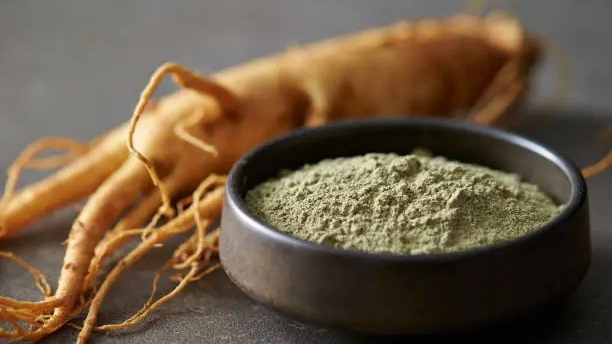
Ginseng has been used for centuries in Asia and North America to enhance mental clarity, energy, and overall wellness. Traditionally valued in Chinese medicine and by Native American tribes, this powerful root is now recognized globally for its wide-ranging health benefits.
Used for everything from improving memory and stamina to relieving stress and fatigue, ginseng is a go-to herbal remedy for many. In fact, over 6 million Americans currently use ginseng regularly. Here’s what you need to know about this ancient botanical and why it’s still relevant today.
What Is Ginseng?
The word “ginseng” typically refers to two main types: Asian ginseng (Panax ginseng) and American ginseng (Panax quinquefolius). These belong to the Panax genus—named after the Greek word panacea, meaning “all-healing.” True ginseng contains a unique group of active compounds called ginsenosides, which are responsible for many of its health effects.
Other herbs like Siberian, Indian (ashwagandha), and Brazilian ginseng are often grouped under the “ginseng” label but are not botanically related. They do, however, offer similar adaptogenic benefits, helping the body adapt to stress and support immune function.
Types of Ginseng and Their Benefits
- Asian Ginseng (Panax ginseng): Traditionally used in Chinese medicine to treat fatigue, cold limbs, and yang deficiencies. It may improve energy, memory, blood sugar control, and erectile dysfunction.
- American Ginseng (Panax quinquefolius): Milder than its Asian counterpart and often used to treat yin deficiencies. It may help reduce stress, enhance immune function, and support cognitive function.
- Siberian Ginseng (Eleutherococcus senticosus): Not a true ginseng but used for enhancing endurance, immunity, and stress resilience due to its eleutheroside content.
- Indian Ginseng (Ashwagandha): A powerful adaptogen used in Ayurveda. It supports hormone balance, lowers cortisol, improves thyroid function, and boosts mental clarity.
- Brazilian Ginseng (Suma Root): Known for its wide range of benefits—from hormone balance to inflammation reduction and sexual health.
Top Health Benefits of Ginseng
1. Boosts Energy and Fights Fatigue
Ginseng is widely used as a natural energy booster. Clinical studies show that it can help combat chronic fatigue, especially in people recovering from illness or chemotherapy.
2. Improves Brain Function
Ginseng may enhance memory, focus, and mood. In patients with Alzheimer’s disease, ginseng supplementation has shown promise in improving cognitive performance. It may also help children with ADHD when combined with omega-3s or ginkgo biloba.
3. Reduces Stress and Anxiety
Animal studies have shown ginseng’s adaptogenic properties help reduce stress-related markers like cortisol and adrenal gland weight. It may also have a calming effect, improving mental clarity and mood under pressure.
4. Supports Immune Health
Ginseng stimulates immune cells like natural killer (NK) cells and T cells. Clinical studies have shown improved immune responses in people taking ginseng, including enhanced resistance to infections and faster recovery from illness.
5. Anti-Inflammatory Properties
Ginsenosides help reduce inflammation, making ginseng a promising supplement for inflammatory conditions. Korean red ginseng, in particular, has been shown to lower markers of inflammation in both human and animal studies.
6. Helps Regulate Blood Sugar
Studies suggest both Asian and American ginseng can lower blood sugar levels and improve insulin sensitivity in people with type 2 diabetes. Ginseng also slows the absorption of glucose after meals.
7. May Aid in Cancer Prevention
While more research is needed, ginseng has shown potential anticancer effects, including reducing tumor growth and enhancing immune responses. Some studies suggest it may help prevent colorectal cancer by stopping the proliferation of cancer cells.
8. Improves Sexual Health
Several studies indicate ginseng can support male sexual function, including erectile dysfunction. This is thought to be due to improved nitric oxide levels and blood flow. It may also support libido and hormonal balance in women, especially during menopause.
9. Enhances Lung Function
Ginseng may help improve symptoms in patients with chronic obstructive pulmonary disease (COPD) and other lung infections. Studies show it may help reduce bacteria in the lungs and improve breathing capacity.
10. Supports Weight Loss
By boosting metabolism and suppressing appetite, ginseng may assist with weight loss. Animal studies have shown reduced body weight and improved blood sugar levels with regular use.
How to Use Ginseng
Ginseng is available in many forms, including capsules, powders, teas, and extracts. Dosages vary depending on the condition being treated:
- Fatigue or stress: 500–1000 mg/day
- Blood sugar balance: 200 mg/day
- Erectile dysfunction: 900 mg, 3 times daily
- Cognitive support: 100–400 mg/day
For optimal results, use high-quality Panax ginseng products from reputable brands. Ginseng tea is another traditional way to enjoy its benefits—simply steep dried or powdered root in hot (not boiling) water for 5–10 minutes.
Precautions and Side Effects
Ginseng is generally safe in moderate doses for short-term use. However, high doses or long-term use may cause side effects like insomnia, headaches, dizziness, or digestive issues. It may also affect hormone levels and interact with medications, including blood thinners, antidepressants, and diabetes drugs.
Pregnant or breastfeeding women and people with autoimmune conditions should avoid ginseng unless approved by a healthcare provider.
Final Thoughts
Ginseng remains one of the world’s most popular herbal remedies—and for good reason. Its wide range of benefits, from mental clarity to immune support and sexual health, makes it a valuable addition to many wellness routines.
Used responsibly and in the right form, ginseng can be a powerful ally in natural health and healing.
What do you think about this article? Please share it and comment.
You would like to publish an article with us? Please contact us.
 General Health Magazine