
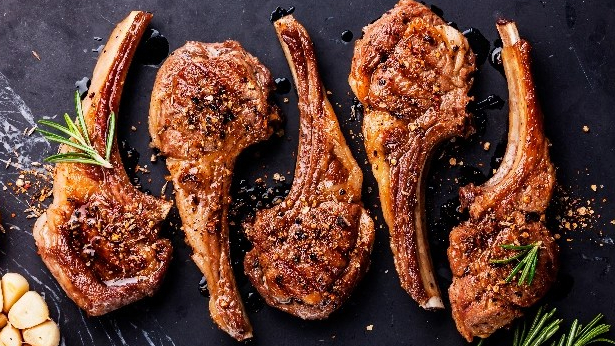
Lamb is a popular meat in many parts of the world, especially in countries like Greece, Australia, and New Zealand. In the U.S., however, the average person eats less than one pound per year. If you’ve never tried lamb—or only enjoy it occasionally—you may be wondering: is lamb healthy?
What Is Lamb Meat?
Lamb is red meat that comes from young sheep less than one year old. It’s different from mutton, which comes from older sheep and has a stronger flavor. Lamb is considered red meat due to its high myoglobin content, which gives the meat its darker color and boosts its iron and zinc content.
Unlike beef, lamb tends to have less fat marbling, with most fat found around the outside and easily trimmed. Grass-fed lamb, in particular, is a healthier option due to its higher omega-3 fatty acid content.
Nutrition Overview
A 3-ounce serving of cooked lamb contains:
- 160 calories
- 23.5g protein
- 6.6g fat
- 2.7mcg vitamin B12 (45% DV)
- 4.4mg zinc (30% DV)
- 2.1mg iron (12% DV)
- High levels of niacin, selenium, B vitamins, phosphorus, and more
Top Health Benefits
- Iron-Rich
Lamb provides heme iron, the most absorbable form, which supports energy and helps prevent anemia. - Supports Nervous System
Lamb is rich in vitamin B12, crucial for nerve health and brain function. A single serving provides nearly half your daily needs. - Boosts Immunity
Thanks to its high zinc content, lamb supports immune function, wound healing, and growth, especially important for children. - Provides Healthy Fats
Lamb offers omega-3 fatty acids and CLA (conjugated linoleic acid), which may help reduce inflammation, aid fat loss, and even combat cancer in some studies. - Excellent Protein Source
Lamb is a complete protein, providing all essential amino acids needed for muscle repair and energy.
Cooking & Recipes
For the healthiest option, choose organic and grass-fed lamb. Cuts like the leg or loin are leaner and ideal for grilling or roasting. Be sure to cook lamb to a safe internal temperature (145°F for roasts/chops; 160°F for ground or organ meat).
Popular recipes include:
- Mediterranean Grilled Lamb Chops
- Garlic Herb Rack of Lamb
- Stuffed Cabbage Rolls with Lamb
- Lamb Stew or Lamb Burgers
Things to Consider
Lamb can be high in cholesterol and saturated fat, so moderation is key, especially for those with heart concerns. Also, its environmental impact is notable—lamb production generates more greenhouse gases per kilogram than other meats, due to its lower meat yield per animal.
Final Thoughts
Lamb is a flavorful, nutrient-dense red meat that supports iron levels, immune health, and protein intake. While it’s not as commonly eaten in the U.S., adding grass-fed lamb to your diet in moderation can be a smart and tasty way to vary your protein sources. Just be mindful of environmental and health impacts by enjoying it occasionally and choosing high-quality cuts.
What do you think about this article? Please share it and comment.
You would like to publish an article with us? Please contact us.
 General Health Magazine