
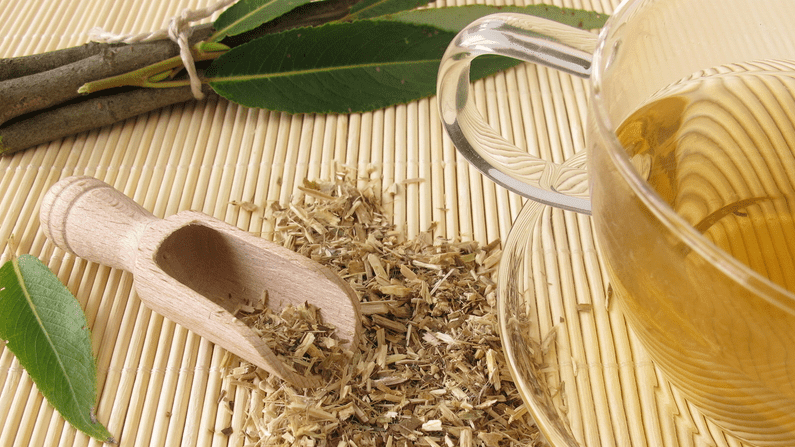
White Willow Bark: A Natural Pain Reliever
For centuries, people have turned to nature for healing, and one of the oldest known natural remedies for pain is white willow bark. Derived from the bark of the white willow tree (Salix alba), this herbal medicine has been used across cultures, particularly in Europe, China, and North America, as a treatment for various aches and fevers. Often called “nature’s aspirin,” white willow bark remains a popular natural alternative for pain relief today.
The Origins and Active Compound
The key to white willow bark’s effectiveness lies in its active ingredient, salicin—a chemical compound that the body converts into salicylic acid. Salicylic acid is closely related to acetylsalicylic acid, the active ingredient in modern aspirin. While synthetic aspirin was developed in the 19th century, white willow bark had already been used for thousands of years to ease pain and reduce inflammation.
Unlike aspirin, however, the natural form in white willow bark is released more slowly in the body, which may lead to fewer gastrointestinal side effects, such as stomach upset or ulcers, which are common with long-term aspirin use.
Benefits of White Willow Bark
White willow bark is most commonly used for relieving low back pain, osteoarthritis, headaches, menstrual cramps, and muscle soreness. It’s also recognized for its anti-inflammatory, antipyretic (fever-reducing), and analgesic (pain-relieving) properties.
Some studies have shown that white willow bark can be as effective as over-the-counter painkillers in managing chronic lower back pain and joint discomfort. Because of its anti-inflammatory action, it’s often used by individuals looking for a more natural approach to conditions like arthritis or sports injuries.
In addition, its natural origin and gentler effect on the stomach make it a preferred choice among those sensitive to synthetic medications.
How It’s Used
White willow bark is available in various forms, including capsules, tablets, teas, tinctures, and powders. The dosage can vary depending on the product and the concentration of salicin, but typically ranges from 60 to 240 mg of salicin per day for adults.
Teas made from the bark are also popular, especially for mild pain relief. However, due to the bitter taste, many prefer taking it in capsule or extract form.
Precautions and Considerations
Though natural, white willow bark is not without risks. Because it contains salicin, it can act like aspirin in the body and should not be used by individuals allergic to aspirin, or those with bleeding disorders, ulcers, kidney problems, or who are taking blood thinners.
It’s also not recommended for children under 16, especially those recovering from viral infections, due to the risk of Reye’s syndrome—a rare but serious condition.
As with any supplement, it’s best to consult a healthcare professional before beginning use, especially if you are pregnant, nursing, or taking other medications.
Conclusion
White willow bark is a time-honored natural remedy with modern relevance. Its ability to relieve pain and inflammation makes it a valuable option for those seeking alternatives to synthetic drugs. While not a cure-all, when used responsibly, white willow bark can be an effective tool in your natural health toolkit.
What do you think about this article? Please share it and comment.
You would like to publish an article with us? Please contact us.
 General Health Magazine