
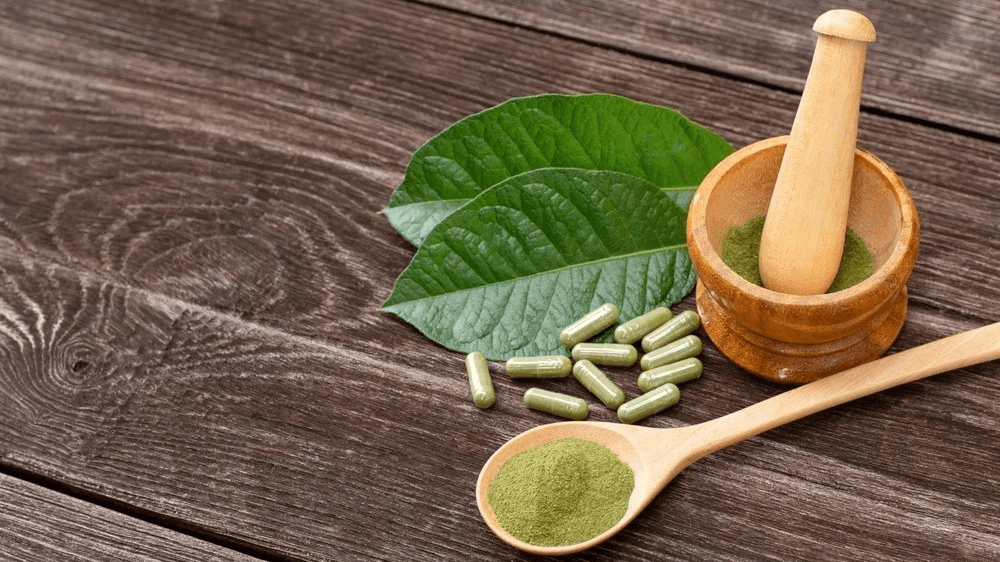
Kratom is a plant native to Southeast Asia that has been used traditionally for centuries. Derived from the leaves of the evergreen tree Mitragyna speciosa, kratom has historically been used for a variety of purposes, including managing pain and increasing energy. In recent years, kratom has gained international attention as an herbal product marketed for pain relief, mood enhancement, and assistance with opioid withdrawal.
Despite its traditional uses and growing availability, kratom remains the subject of scientific and regulatory debate. Research suggests that kratom can produce both stimulant-like and opioid-like effects, depending on the amount consumed and other factors. There are also concerns about its potential for dependence, addiction, and other health effects, particularly with prolonged or frequent use.
What Is Kratom?
Kratom is an herbal substance made primarily from the leaves of Mitragyna speciosa, a tropical tree native to countries in Southeast Asia. The leaves contain several naturally occurring compounds, most notably mitragynine and 7-hydroxymitragynine. These compounds interact with receptors in the brain and nervous system and are believed to contribute to kratom’s effects.
At lower amounts, kratom may have stimulant-like effects, such as increased alertness, energy, or sociability. At higher amounts, it may produce effects more closely associated with opioids, including relaxation and pain relief.
Kratom is commonly sold in forms such as dried or powdered leaves, capsules, teas, extracts, and other concentrated preparations. Products can vary substantially in their chemical composition and potency.
Why Do People Use Kratom?
People use kratom for a range of reasons. Some report using it to manage pain, improve energy or concentration, reduce anxiety, or promote relaxation. Kratom is also frequently marketed as a treatment for opioid withdrawal and substance-use-related symptoms.
However, marketing claims should not be confused with established medical evidence. Although some preliminary research and individual reports suggest that kratom may have therapeutic potential, there is currently insufficient evidence to establish its safety and effectiveness as a medical treatment for conditions such as chronic pain or opioid withdrawal.
Can Kratom Be Addictive?
There is evidence that regular kratom use can lead to dependence and withdrawal symptoms. Individuals who use kratom frequently may develop tolerance, meaning that they require increasing amounts to achieve the effects they previously experienced.
Stopping regular use can result in symptoms such as irritability, restlessness, anxiety, sleep disturbances, muscle aches, sweating, or other physical and psychological symptoms. These effects can make it difficult for some individuals to stop using kratom without support.
The risk of dependence may vary according to factors such as frequency of use, amount consumed, product potency, and individual characteristics. More research is needed to fully understand the long-term addiction potential of kratom.
Potential Health Risks
Although kratom is sometimes described as a natural alternative to conventional medications, natural products are not necessarily risk-free. Reported adverse effects associated with kratom use include nausea, vomiting, constipation, dizziness, drowsiness, and increased heart rate.
More serious health problems have also been reported, although the relationship between kratom and individual adverse events can be difficult to establish. Risks may be greater when kratom is combined with other substances, including medications or recreational drugs.
Another concern is the variability of commercially available kratom products. The concentration of active compounds can differ considerably between products, and some products may contain contaminants or other substances. Concentrated extracts may also expose users to substantially higher levels of active compounds than traditional preparations.
Kratom and Opioid Withdrawal
Kratom is sometimes promoted as a way to manage opioid withdrawal. This has contributed to growing interest among people seeking alternatives to conventional treatments for opioid dependence.
However, using kratom for this purpose carries uncertainties. While some individuals report that kratom reduces withdrawal symptoms or cravings, evidence from controlled clinical research remains limited. In addition, replacing one substance with another that can produce dependence may introduce new risks.
People experiencing opioid dependence or withdrawal should consult a qualified healthcare professional about evidence-based treatment options rather than relying solely on kratom or other unproven products.
Legal and Regulatory Status
The legal status of kratom varies between countries, states, and other jurisdictions. In some places, kratom remains legally available, while other jurisdictions have restricted or prohibited its sale or possession.
In the United States, kratom has been marketed as a dietary supplement and remains subject to ongoing regulatory scrutiny. Federal agencies have raised concerns about misleading health claims, product safety, contamination, and the potential for dependence and other adverse effects. Regulatory policies can change as additional scientific evidence becomes available.
Consumers should therefore check the laws and regulations applicable in their own jurisdiction and should be cautious of products making unsupported claims about treating or preventing medical conditions.
The Need for Further Research
Interest in kratom has increased significantly, but scientific understanding of the substance remains incomplete. Researchers continue to investigate its pharmacology, potential therapeutic applications, risks, dependence potential, and long-term health effects.
More rigorous clinical studies are needed to determine whether specific kratom compounds or preparations could have legitimate medical applications and to establish appropriate dosing, safety standards, and potential risks.
Conclusion
Kratom is a traditional Southeast Asian plant that has attracted growing international attention because of its stimulant-like and opioid-like effects. Although some people use kratom for pain, energy, relaxation, or opioid withdrawal, evidence supporting many of these uses remains limited.
Importantly, kratom should not automatically be considered safe simply because it is derived from a plant. Regular use may lead to dependence and withdrawal, and the long-term health consequences are not yet fully understood. Product variability and the potential for interactions with other substances add further concerns.
As research and regulatory reviews continue, consumers should approach kratom with caution and seek reliable medical advice before using it to manage pain, withdrawal, or other health conditions.
Was this article helpful for you? Please share it and comment.

