
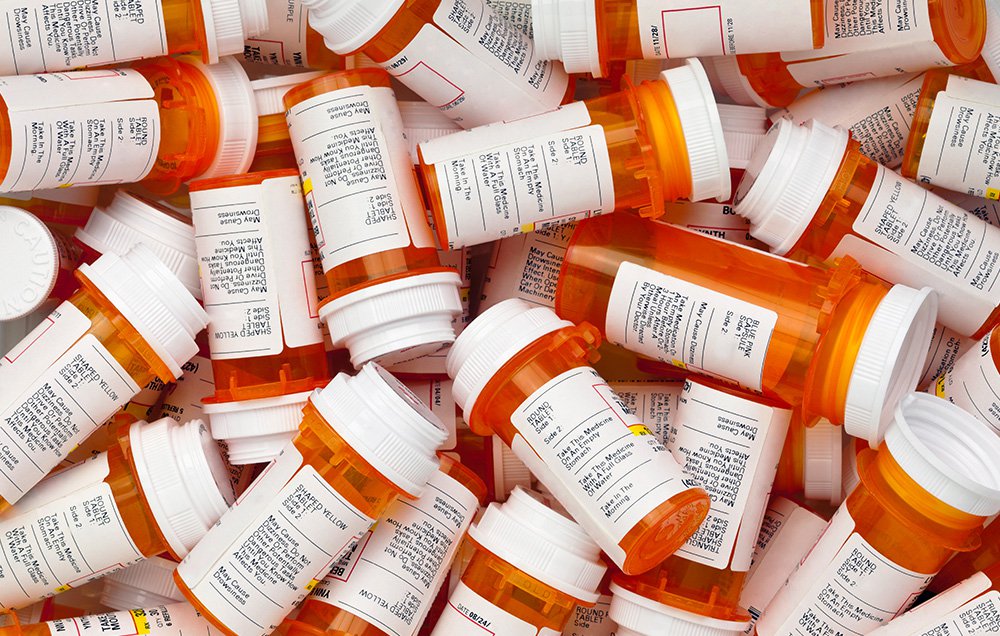
Many Americans still find themselves with leftover prescription drugs at home — often far more than they intend to use. Research has repeatedly shown that a large share of prescription bottles in U.S. households are never used and simply sit around collecting dust. Improper disposal — such as throwing meds in the trash or flushing them down the toilet — can pose serious risks both to public health and the environment.
Leftover medications can be misused by others, contribute to the ongoing opioid epidemic, and contaminate water supplies since wastewater systems are not designed to remove pharmaceutical compounds. In response, federal agencies and local partners have expanded safe disposal efforts nationwide.
National Prescription Drug Take Back Day in 2026
A key effort to reduce unused drugs in homes is the DEA’s National Prescription Drug Take Back Day, held semiannually in spring and fall. The next scheduled event is:
Saturday, April 25, 2026
10:00 a.m. – 2:00 p.m.
Nationwide collection sites will be open for free, anonymous disposal of unused, expired, or unwanted medications — no questions asked. These collection days are part of a long-running initiative now in its 30th year, during which more than 20 million pounds of medications have been safely collected and destroyed through DEA-coordinated events and drop-off sites. While April’s event is still upcoming, previous Take Back Days have consistently brought substantial participation, with hundreds of thousands of pounds collected at each event through contributions from communities across the country.
Year-Round Drop-Off Options
Recognizing that semiannual events may be inconvenient for some, the DEA and its partners have significantly expanded year-round disposal opportunities:
- Every Day Is Take Back Day — Through this initiative, more than 16,000 authorized pharmacies, hospitals, clinics, law enforcement agencies and community partners maintain permanent drop boxes where unused medications can be deposited safely at any time throughout the year.
These year-round locations accept most unused prescription and over-the-counter drugs (tablets, capsules, patches) for secure destruction. They do not accept items such as needles, syringes, or illicit substances. This approach eases access to proper disposal and reinforces the message that getting rid of unneeded medicine shouldn’t wait for a single weekend.
Local and Community Partnerships
Communities around the U.S. are also deepening their commitment to safe drug disposal with locally operated programs. For example:
- Christus Health facilities in East Texas recently launched permanent take-back receptacles at several emergency centers, giving residents a secure, judgment-free option for disposing of unused prescription and over-the-counter medications. Such efforts help keep medications out of landfills and protect local water systems from contamination.
- Local law enforcement and health departments regularly support Take Back events as part of broader public safety and harm-reduction campaigns.
These community collaborations extend the reach of federal disposal efforts and make it easier for people to participate in keeping homes and environments safer.
Why Proper Disposal Matters
Keeping unused medications in the home poses multiple risks:
- Misuse and Addiction: Most abused prescription drugs are obtained from family or friends — often from unsecured medicine cabinets. Safe disposal reduces this easy access.
Environmental Impact: Pharmaceuticals flushed or thrown away improperly can enter soil and water systems and persist through conventional wastewater treatment, potentially affecting aquatic ecosystems and drinking water supplies.
- Accidental Poisoning: Children or pets may accidentally ingest medications left unsecured or improperly discarded.
By participating in Take Back events or using permanent disposal sites, individuals help protect public health, reduce the potential for drug misuse, and minimize environmental contamination.
How to Dispose of Unused Medications Safely
Best Option:
- Bring unused medication to a National Take Back Day site or a year-round DEA authorized drop box.
If no drop-off option is available at home:
- Mix drugs (without removing labels) with an undesirable substance like used coffee grounds or kitty litter and seal them in a container before placing them in the household trash. This makes them less appealing to others and safer for waste handling personnel.
Never flush medications down the toilet or drain unless the label explicitly instructs it — this can allow active pharmaceutical ingredients to enter water systems.
In 2026, disposing of unused prescriptions responsibly has never been easier — with broader access to year-round drop-off locations and community support for National Take Back Day. Clearing out old meds protects your loved ones, your neighborhood, and the environment.
What do you think about this article? Please share it and comment.
You would like to ask a question, publish an article with us or place and advertisement? Please contact us.
 General Health Magazine