
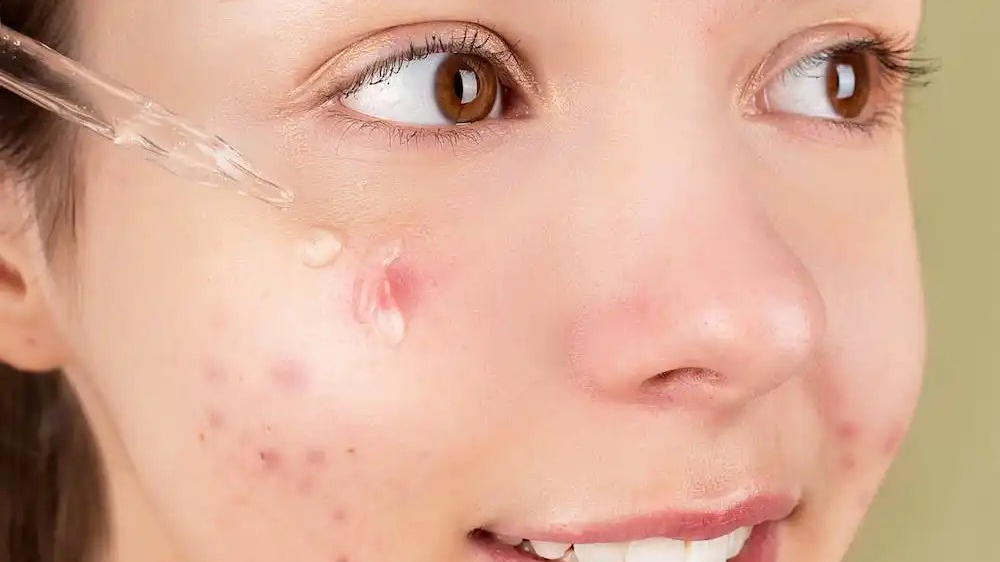
Acne is a common skin condition that affects many individuals of all ages. It is characterized by the presence of pimples, blackheads, and whiteheads on the face, chest, and back. While there are various treatments available for acne, one that has gained popularity in recent years is benzoyl peroxide.
Benzoyl peroxide is a topical medication that has been used for decades to treat acne. It is available in different forms such as creams, gels, and washes, and is known for its effectiveness in reducing the severity of acne. In this article, we will explore the benefits, uses, and potential side effects of using benzoyl peroxide for acne.
Benefits of Benzoyl Peroxide for Acne:
1. Kills Bacteria: One of the main causes of acne is the buildup of bacteria on the skin. Benzoyl peroxide has been found to effectively kill the bacteria that causes acne, making it an effective treatment for this skin condition.
2. Reduces Inflammation: Benzoyl peroxide has anti-inflammatory properties that help to reduce redness and swelling associated with acne. This makes it an ideal treatment for those with inflammatory acne, as it can help to calm down the affected areas.
3. Unclogs Pores: Another benefit of benzoyl peroxide is its ability to unclog pores. It helps to loosen and remove excess oil, dirt, and dead skin cells that can clog pores and lead to breakouts.
4. Prevents Future Breakouts: Regular use of benzoyl peroxide can prevent future breakouts by keeping the skin clean and free from bacteria. It also helps to regulate oil production, which can contribute to the development of acne.
Uses of Benzoyl Peroxide for Acne:
1. Treatment of Mild to Moderate Acne: Benzoyl peroxide is commonly used to treat mild to moderate acne. It is effective in reducing the severity of pimples, blackheads, and whiteheads, making it a popular choice among individuals struggling with this skin condition.
2. Combination Therapy: Benzoyl peroxide is often used in combination with other acne treatments, such as retinoids and antibiotics. This combination can provide more effective results, as each medication targets different aspects of acne.
3. Spot Treatment: Benzoyl peroxide can also be used as a spot treatment for individual pimples. Applying a small amount of the medication directly on the pimple can help to reduce its size and inflammation.
4. Maintenance Treatment: After successfully treating acne, benzoyl peroxide can be used as a maintenance treatment to prevent future breakouts. This is particularly beneficial for those with a history of recurring acne.
Side Effects of Benzoyl Peroxide:
While benzoyl peroxide is generally safe to use, there are some potential side effects that should be considered. These include:
1. Dryness and Irritation: Benzoyl peroxide can cause dryness and irritation of the skin, especially in the first few weeks of use. This can be managed by using a moisturizer and starting with a lower concentration of the medication.
2. Redness and Peeling: Some individuals may experience redness and peeling of the skin, particularly in the areas where the medication is applied. This is a normal side effect and should improve with continued use.
3. Allergic Reactions: In rare cases, benzoyl peroxide can cause allergic reactions such as hives, swelling, and difficulty breathing. If you experience any of these symptoms, stop using the medication and seek medical attention immediately.
4. Bleaching of Hair and Clothing: Benzoyl peroxide has the potential to bleach hair and clothing. It is important to avoid contact with these materials when using the medication.
In conclusion, benzoyl peroxide is a widely used and effective treatment for acne. Its ability to kill bacteria, reduce inflammation, and unclog pores make it a popular choice among individuals struggling with this skin condition. However, it is important to use the medication as directed and be aware of potential side effects. Consulting with a dermatologist can help determine if benzoyl peroxide is the right treatment for your acne.
What do you think about this article? Please share it and comment.
You would like to ask a question, publish an article with us or place and advertisement? Please contact us.
 General Health Magazine