
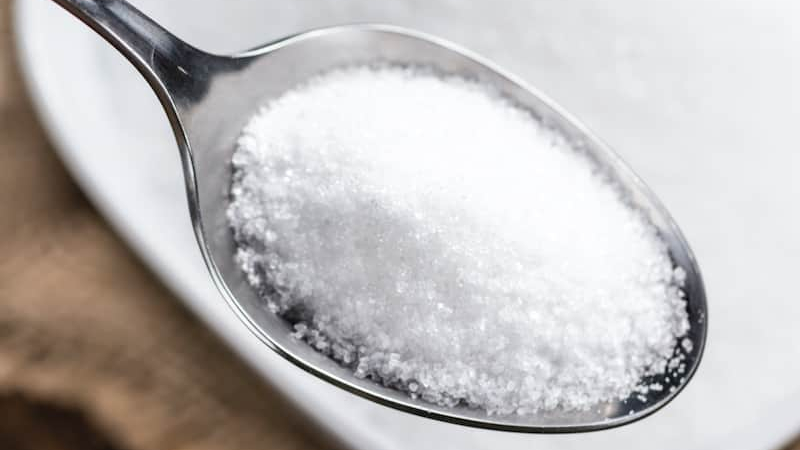
In recent years, there has been a growing interest in low-calorie sweeteners as a way to reduce sugar intake and promote weight loss. One such sweetener that has been gaining attention is allulose. This lesser-known sugar substitute has been praised for its potential benefits in fat loss and blood sugar stabilization. In this article, we will delve into the science behind allulose and explore its potential benefits for our health.
What is Allulose?
Allulose, also known as D-psicose, is a monosaccharide sugar that is naturally found in small quantities in certain foods such as figs, raisins, and maple syrup. It is considered a rare sugar because it is present in very small amounts in nature. However, it can also be produced in large quantities through a process called enzymatic conversion of fructose from corn.
Allulose has a similar chemical structure to fructose but with one key difference – it is not easily metabolized by the body. This means that it does not contribute to the calorie count or raise blood sugar levels in the same way as regular sugar. In fact, allulose has almost zero calories and a negligible glycemic index, making it a popular choice for those looking to reduce their sugar intake.
Fat Loss Benefits of Allulose
One of the main reasons why allulose is gaining popularity is its potential to aid in weight loss. Studies have shown that allulose can help to reduce fat accumulation in the body.
One study conducted on rats found that those fed a high-fat diet along with allulose had significantly lower body weight, body fat, and liver fat compared to those fed a high-fat diet without allulose. This is due to the fact that allulose is not digested or metabolized by the body and is instead excreted in the urine. This means that it does not contribute to the calorie count, making it an ideal substitute for those looking to lose weight.
Another study on overweight and obese individuals found that consuming allulose along with a balanced diet and exercise led to a significant reduction in body fat mass and waist circumference. This is thought to be due to the fact that allulose activates the enzyme AMP-activated protein kinase (AMPK), which is involved in the regulation of energy metabolism and fat burning.
Blood Sugar Stabilization Benefits of Allulose
Apart from its potential for weight loss, allulose may also offer benefits for those with diabetes or those at risk of developing the condition. As mentioned earlier, allulose has a negligible glycemic index, meaning it does not cause a spike in blood sugar levels. This is because it is not easily metabolized by the body and does not stimulate the release of insulin, the hormone responsible for regulating blood sugar levels.
One study found that consuming allulose with a meal high in carbohydrates helped to reduce the post-meal rise in blood sugar levels in both healthy individuals and those with type 2 diabetes. This is a promising finding, as high blood sugar levels can lead to various health complications in the long run.
Moreover, allulose has also been found to increase insulin sensitivity, meaning the body is better able to use insulin to regulate blood sugar levels. This is beneficial for individuals with insulin resistance, a condition that can lead to the development of type 2 diabetes.
Other Potential Benefits of Allulose
Apart from its potential for fat loss and blood sugar stabilization, allulose has also been studied for its potential benefits in other areas of health. These include:
– Gut health: Allulose has been found to have prebiotic effects, meaning it can promote the growth of beneficial bacteria in the gut. This can help to improve digestion and overall gut health.
– Dental health: Allulose does not contribute to tooth decay like regular sugar does, making it a safer option for dental health.
– Antioxidant properties: Studies have shown that allulose has antioxidant properties that can help to reduce oxidative stress in the body, which is linked to various chronic diseases.
Conclusion
Allulose is a promising low-calorie sweetener that offers potential benefits for fat loss and blood sugar stabilization. While more research is needed to fully understand its effects on human health, the current studies are promising. However, it is important to remember that allulose should be consumed in moderation, just like any other sweetener. As with any dietary change, it is always best to consult with a healthcare professional before incorporating allulose into your diet.
What do you think about this article? Please share it and comment.
You would like to ask a question, publish an article with us or place and advertisement? Please contact us.
 General Health Magazine