
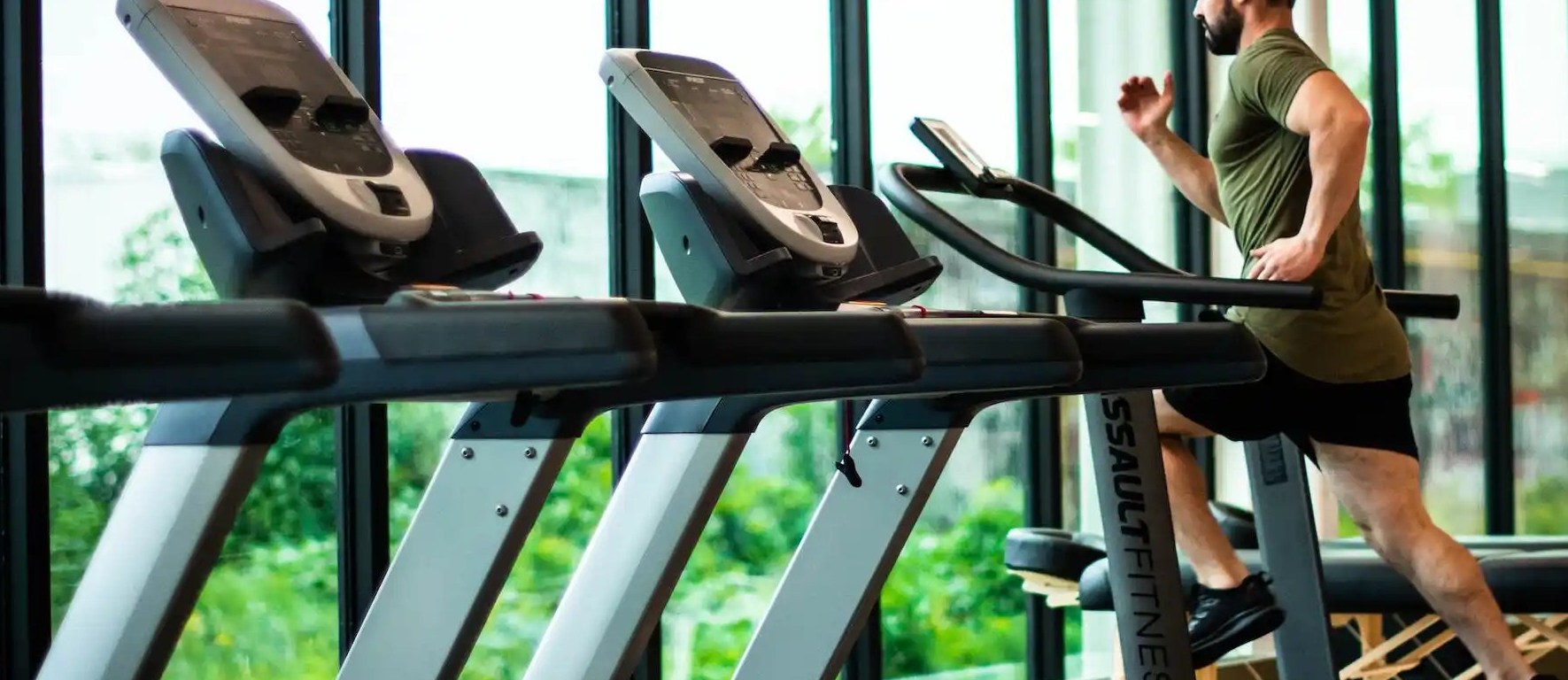
Physical activity is an essential aspect of our overall well-being. Our bodies were designed to move, and when we neglect this basic need, it can have a significant impact on our health. However, our modern sedentary lifestyle often encourages us to sit for extended periods, leading to a lack of movement in our daily routines. This can result in our bodies craving movement, and it’s essential to recognize and address these signs before they turn into health issues. Here are ten signs your body is craving movement.
1. Feeling Stiff and Achy
One of the first signs that your body is craving movement is feeling stiff and achy. When we sit for prolonged periods, our joints and muscles become stiff, leading to discomfort and pain. Moving our bodies helps to lubricate our joints and improve circulation, reducing stiffness and promoting flexibility.
2. Low Energy Levels
Have you been feeling tired and sluggish lately? It could be a sign that your body needs more movement. Regular physical activity boosts our energy levels by increasing blood flow, delivering oxygen and nutrients to our muscles and tissues. When we move, our bodies produce endorphins, the feel-good hormones, which help to improve our mood and energy levels.
3. Poor Posture
Sitting for long periods can cause poor posture, leading to back, neck, and shoulder pain. Our muscles become weak and imbalanced, and we may start to slouch. Moving our bodies can help to strengthen our muscles, improve posture, and reduce pain.
4. Difficulty Sleeping
If you are having trouble falling or staying asleep, it could be a sign that your body needs more movement. Exercise helps to regulate our circadian rhythm, the body’s internal clock, which controls our sleep-wake cycle. Moving our bodies also helps to reduce stress and anxiety, leading to a better night’s sleep.
5. Craving Unhealthy Foods
When our bodies are craving movement, we may also crave unhealthy foods. This is because exercise helps to regulate our hormones, including those that control appetite. When we are sedentary, these hormones can become imbalanced, leading to cravings for unhealthy, processed foods.
6. Brain Fog and Difficulty Concentrating
Sitting for long periods can also affect our brain function. When we move, our heart pumps more oxygen and nutrients to our brains, helping to improve our cognitive function and concentration. Regular physical activity has also been linked to improved memory and overall brain health.
7. Low Immunity
Our immune system plays a vital role in keeping us healthy, and regular movement is crucial for its optimal functioning. Exercise helps to flush bacteria out of the lungs and airways, reducing the risk of catching a cold or other viral infections. It also boosts the production of white blood cells, which fight off infections and diseases.
8. Feeling Anxious or Stressed
When we are feeling anxious or stressed, our bodies release cortisol, the stress hormone. Prolonged periods of sitting can cause cortisol levels to remain high, leading to chronic stress and anxiety. Moving our bodies helps to reduce cortisol levels and release tension, promoting relaxation and overall well-being.
9. Weight Gain
Maintaining a healthy weight is essential for our overall health, and a lack of movement can lead to weight gain. When we sit for long periods, we burn fewer calories, and over time, this can lead to excess weight. Regular physical activity helps to burn calories and maintain a healthy weight.
10. Decreased Flexibility and Range of Motion
Finally, if you have noticed a decrease in your flexibility and range of motion, it could be a sign that your body is craving movement. When we are sedentary, our muscles become tight and inflexible, leading to decreased mobility. Regular physical activity helps to keep our muscles and joints healthy, promoting flexibility and a full range of motion.
In conclusion, our bodies are designed to move, and when we neglect this need, it can have a significant impact on our health. If you have been experiencing any of the signs mentioned above, it’s time to listen to your body and incorporate more movement into your daily routine. Whether it’s going for a walk, trying a new exercise class, or simply stretching at your desk, any form of physical activity will benefit your body and overall well-being. So, let’s get moving!
What do you think about this article? Please share it and comment.
You would like to ask a question, publish an article with us or place and advertisement? Please contact us.
 General Health Magazine