
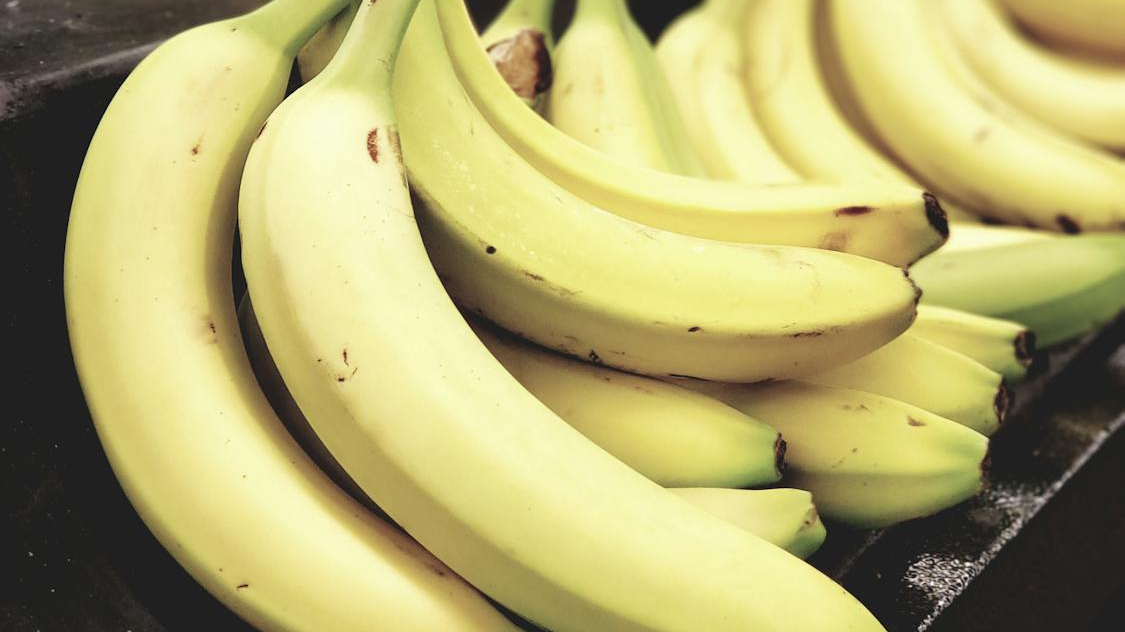
Bananas are one of the most popular fruits worldwide, cherished for their sweet flavor, portability, and versatility in various dishes. But beyond their convenience as a quick snack, bananas pack a nutritional punch that brings forth both benefits and concerns. With every health trend, new research, and evolving dietary guidelines, the question arises: Are bananas a gut healer or a blood sugar disruptor?
The Nutritional Profile of Bananas
To assess the health claims regarding bananas, it’s essential to look at their nutritional composition. A medium banana (approximately 118 grams) contains:
- Calories: About 105
- Carbohydrates: Approximately 27 grams
- Dietary Fiber: 3.1 grams
- Sugars: Around 14 grams (natural sugars)
- Protein: 1.3 grams
- Fat: 0.3 grams
- Vitamins and Minerals: Bananas are an excellent source of vitamin C, vitamin B6, potassium, and magnesium.
The high carbohydrate content, particularly in the form of natural sugars like fructose, raises some concerns about blood sugar management, while the dietary fiber and various vitamins touted their benefits for gut health.
Gut Health Benefits
Bananas contribute positively to gut health in several ways:
1. Rich in Fiber
Bananas contain both soluble and insoluble fiber, which plays a crucial role in maintaining a healthy digestive system. Soluble fiber helps regulate digestion and can aid in controlling blood sugar levels by slowing the absorption of carbohydrates. Meanwhile, insoluble fiber adds bulk to stool and aids in preventing constipation.
2. Prebiotic Properties
Bananas, especially when they are slightly green, commonly contain resistant starch, which acts as a prebiotic. Prebiotics are substances that nourish and promote the growth of beneficial gut bacteria. A healthy gut microbiome is linked to improved digestion, enhanced immunity, and even mental well-being.
3. Potassium for Electrolyte Balance
Potassium-rich foods, such as bananas, support fluid balance in the body and can help mitigate bloating and discomfort associated with digestive issues. Potassium has been shown to improve gut motility, which can aid in smooth digestion.
Blood Sugar Concerns
While bananas have numerous health benefits, they also raise eyebrows among those monitoring their blood sugar levels:
1. High Glycemic Index
Bananas generally have a moderate glycemic index (GI), which means they can cause a rise in blood glucose levels after consumption. While they can still fit into a balanced diet, individuals with diabetes or those who are insulin-resistant should be mindful of their portion sizes.
2. Sugar Content
With around 14 grams of sugar in a medium banana, those concerned about sugar intake need to consider how bananas fit into their overall carbohydrate consumption. For people adhering to low-sugar diets, this can be problematic and result in fluctuations in blood sugar levels.
3. Ripe vs. Unripe Bananas
The ripeness of a banana can significantly affect its nutritional impact. Unripe (green) bananas contain more resistant starch and less sugar, making them a better option for blood sugar management compared to fully ripe (yellow) bananas, which have higher sugar levels.
Striking a Balance
The debate over whether bananas are gut healers or blood sugar disruptors may be oversimplified. It’s important to recognize that both perspectives hold weight depending on individual needs and dietary goals.
For Gut Health:
- Incorporate bananas into a diet rich in diverse fruits and vegetables.
- Enjoy bananas in moderation, pairing them with a source of protein or healthy fats to mitigate blood sugar spikes.
- Opt for slightly green bananas when possible to maximize prebiotic benefits.
For Blood Sugar Control:
- Be mindful of portion sizes and consume bananas alongside protein or healthy fats to slow down sugar absorption.
- Monitor the ripeness; choose unripe bananas if blood sugar management is a priority.
- Consider your overall carbohydrate intake within your diet or meal plan.
Conclusion
Bananas are undeniably a nutritious fruit that can contribute positively to gut health while offering some challenges for blood sugar management. By understanding their nutritional profile and examining how they can fit into a balanced diet, individuals can make informed choices that align with their health goals. Remember, the key lies in moderation and attentiveness to body responses, making bananas a versatile fruit that can hold a place on your plate—whether you’re a gut health enthusiast, navigating blood sugar issues, or simply enjoying the sweet taste of life!
What do you think about this article? Please share it and comment.
You would like to ask a question, publish an article with us or place and advertisement? Please contact us.
 General Health Magazine