
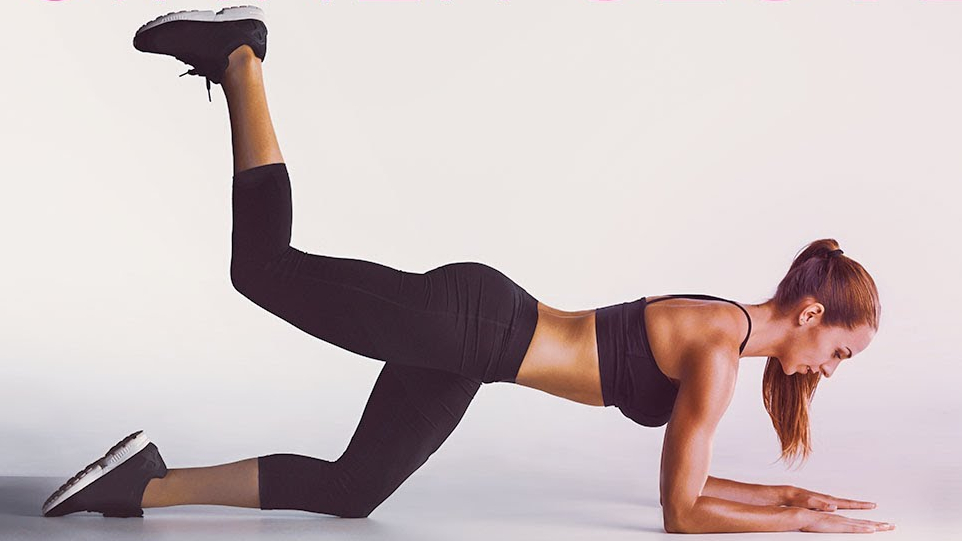
The gluteus maximus, the largest muscle in the human body, plays a critical role in various movements and overall functionality. Often associated with aesthetics, particularly the desire for a well-rounded posterior, this powerful muscle also contributes significantly to athletic performance, injury prevention, and enhancing everyday activities. In this article, we will explore the primary functions of the gluteus maximus and discuss some of the most effective exercises to strengthen and develop this mighty muscle.
The Function of the Gluteus Maximus
The gluteus maximus is a fan-shaped muscle that makes up a substantial portion of the buttocks. Its primary functions include:
- Hip Extension: The gluteus maximus is largely responsible for extending the hip joint, especially when moving from a seated to a standing position, climbing, or generating power during running and jumping.
- External Rotation of the Hip: It assists in the external rotation of the hip, allowing for a greater range of motion and an enhanced ability to stabilize during movements like squatting and lunging.
- Pelvic Stabilization: The gluteus maximus plays a pivotal role in stabilizing the pelvis during dynamic activities. A strong gluteus maximus helps maintain an upright posture and supports the lumbar spine, reducing the risk of back injuries.
- Assistance in Trunk Extension: When the trunk is leaning forward, the gluteus maximus aids in extending the trunk to an upright position, which is essential during various athletic activities and daily tasks.
- Contributing to Locomotion: The muscle contributes to forward propulsion during walking, running, and cycling, making it essential for athletic performance and daily mobility.
Best Glute Exercises
To effectively target and strengthen the gluteus maximus, incorporating a variety of exercises into your workout routine is key. Here are some of the best exercises to consider:
- Squats:
- Variations: Bodyweight squats, barbell back squats, goblet squats, single-leg squats
- How to Do It: Stand with your feet shoulder-width apart. Lower your body by bending your knees and hips, keeping your chest up and back straight. Push through your heels to return to the starting position.
- Deadlifts:
- Variations: Conventional deadlifts, sumo deadlifts, Romanian deadlifts
- How to Do It: Stand with your feet hip-width apart and a barbell in front of you. Bend at the hips and knees to grip the bar. Engage your core and lift the bar by extending your hips and knees until you’re standing tall.
- Lunges:
- Variations: Forward lunges, reverse lunges, walking lunges, lateral lunges
- How to Do It: Stand tall and take a step forward (or backward) with one leg, lowering your body until both knees are bent at a 90-degree angle. Push off the front foot to return to the starting position.
- Hip Thrusts:
- How to Do It: Sit on the ground with your upper back against a bench and a barbell or weight plate resting on your hips. Roll the weight over your hips, then push through your heels to lift your hips towards the ceiling, squeezing your glutes at the top.
- Glute Bridges:
- How to Do It: Lie on your back with your knees bent and feet flat on the ground. Lift your hips towards the ceiling by pressing through your heels and contracting your glutes, then lower back down.
- Step-Ups:
- How to Do It: Stand in front of a bench or sturdy platform. Step up with one foot, driving your opposite knee towards your chest. Step back down and repeat on the other side.
- Cable Kickbacks:
- How to Do It: Attach an ankle strap to a low pulley on a cable machine. Stand facing the machine and kick the strap backward while keeping your knee straight, then return to the starting position.
Conclusion
Enhancing the strength and functionality of the gluteus maximus is crucial for athletic performance and injury prevention. By incorporating a variety of targeted exercises into your fitness regimen, you can develop stronger, more powerful glutes that not only improve your appearance but also bolster your capacity for everyday activities. As with any exercise program, it’s important to maintain proper form and gradually increase weight and intensity to avoid injury. If you’re unsure where to start, consider consulting with a fitness professional to tailor a program suited to your individual needs and goals. Let’s embrace the power of the gluteus maximus and unlock our potential for strength and stability!
What do you think about this article? Please share it and comment.
You would like to ask a question, publish an article with us or place and advertisement? Please contact us.
 General Health Magazine