
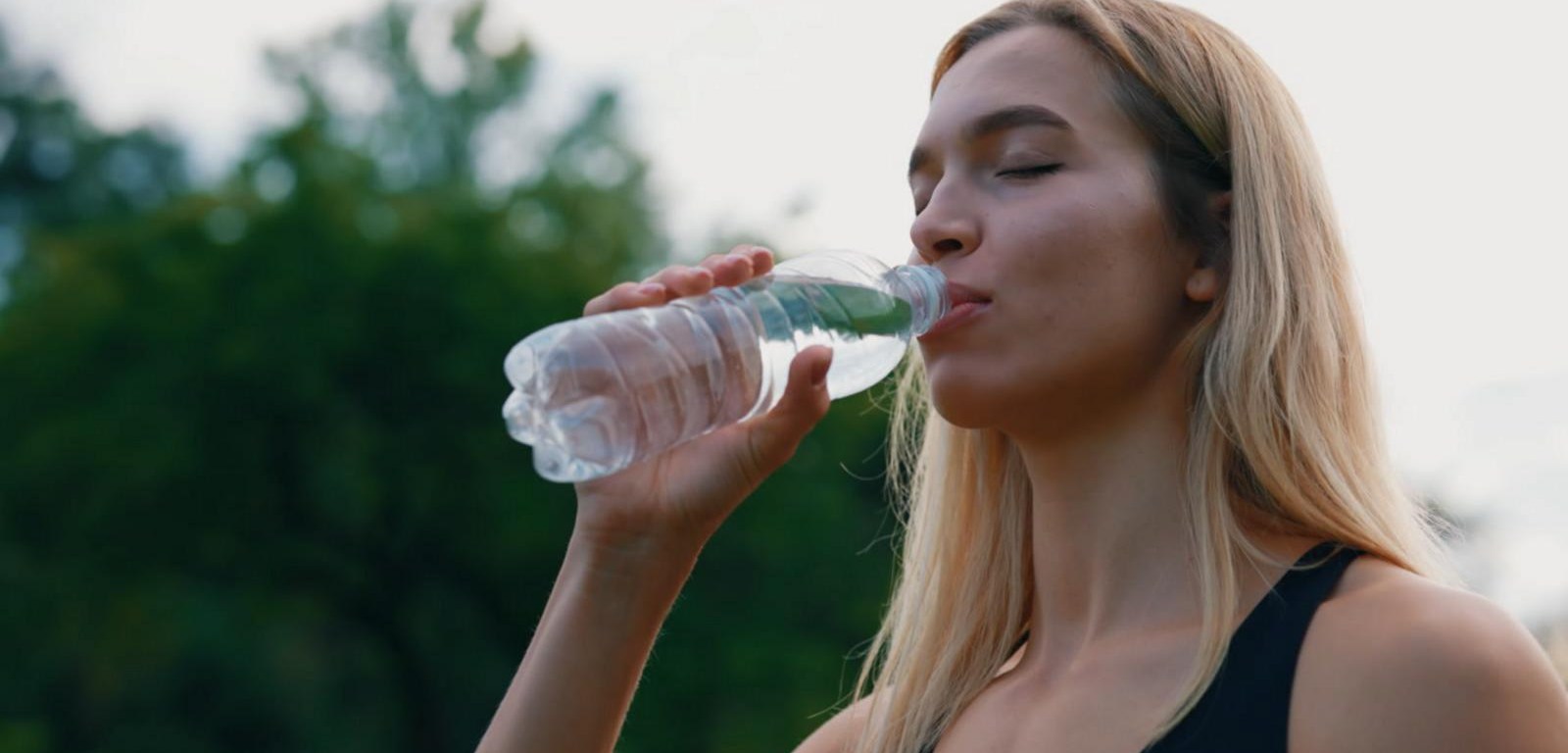
In contemporary life, convenience often trumps concerns about our health and the environment. One of the most ubiquitous products in today’s society is the plastic water bottle. Whether at the gym, on a hike, or just during your daily commute, plastic bottles have become an essential part of our hydration strategy. However, the question remains: is it safe to drink water from plastic bottles? Let’s explore the safety implications surrounding this common practice.
Understanding Plastic Bottles
Plastic water bottles are typically made from two main types of plastics: polyethylene terephthalate (PET) and high-density polyethylene (HDPE). PET bottles are lightweight and designed for single use, while HDPE is often used for sturdier, reusable bottles. Each type has its own chemical composition and, consequently, distinct safety profiles.
Chemical Concerns
One of the primary concerns associated with drinking from plastic bottles is the potential leaching of chemicals. Some plastics have additives that can migrate into the water, especially when exposed to heat or sunlight.
- Bisphenol A (BPA): BPA is a chemical previously prevalent in many plastics, including some water bottles. It has been linked to various health issues, including hormonal disruptions and increased risks of certain cancers. However, many manufacturers have shifted to BPA-free plastics due to consumer demand and regulatory pressures.
- Phthalates: Used to make plastics more flexible, phthalates can also leach into liquids. While their presence in water is a concern, the degree of risk is still under scientific scrutiny.
- Microplastics: Recent studies have raised alarms over microplastics—tiny plastic particles that can break off from containers and end up in our water supply. The long-term health effects of microplastics are still largely unknown, which adds another layer of concern.
Safe Usage Tips
If you choose to drink from plastic bottles, you can take several steps to minimize potential risks:
- Avoid Heat Exposure: Never leave plastic bottles in hot cars or direct sunlight, as heat can accelerate the breakdown of plastic and increase chemical leaching.
- Opt for BPA-Free Bottles: If you prefer reusable bottles, look for those labeled as BPA-free. Many brands now make an effort to advertise the absence of harmful chemicals.
- Limit Single-Use Bottles: Try to reduce reliance on single-use plastic bottles and instead invest in a sturdy, reusable bottle. This not only benefits your health but also reduces plastic waste.
- Check Expiration Dates: Some bottled water is regulated, and while the water itself may remain safe to drink indefinitely, the bottle’s integrity can degrade over time, especially if not stored properly.
Environmental Considerations
Beyond health concerns, drinking from plastic bottles poses significant environmental challenges. The production and disposal of plastic contribute to pollution and ecological degradation. According to the Environmental Protection Agency (EPA), only about 30% of plastic water bottles are recycled, leading to overflowing landfills and marine debris. By opting for sustainable alternatives, such as stainless steel or glass containers, you can help reduce your carbon footprint.
Conclusion
In summary, while it may be generally safe to drink water from plastic bottles, particular precautions should be taken to mitigate any potential risks. Staying informed about the materials used in your bottles, avoiding heat, and seeking out alternatives when possible are key steps toward ensuring that your hydration remains both safe and eco-friendly. As consumers, making deliberate choices can lead to a healthier lifestyle and a healthier planet.
What do you think about this article? Please share it and comment.
You would like to ask a question, publish an article with us or place and advertisement? Please contact us.
 General Health Magazine