
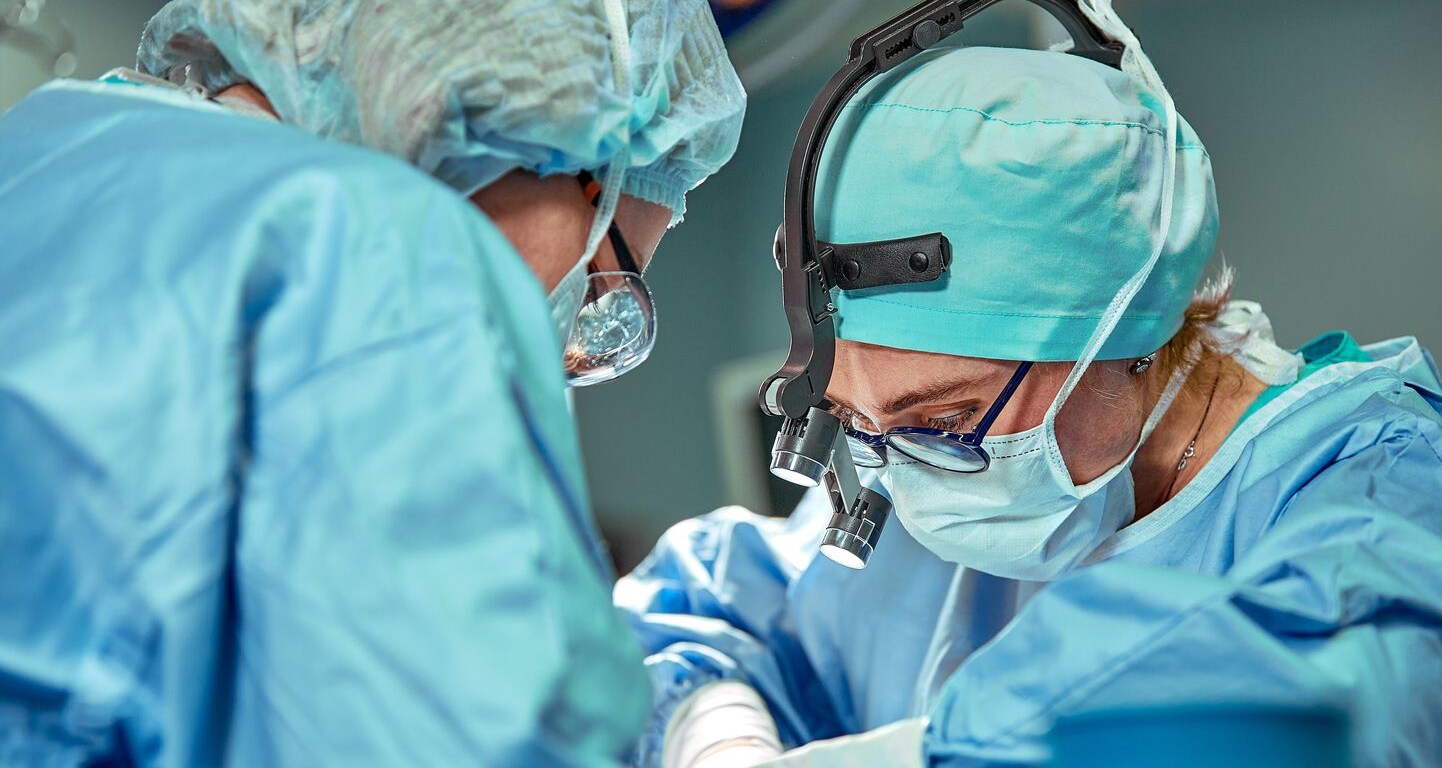
Elbow replacement surgery is a surgical procedure to replace the damaged or diseased elbow joint with an artificial joint. It is typically performed to relieve pain and restore function in patients with severe elbow arthritis or other conditions that affect the elbow joint.
Conditions Treated
Elbow replacement surgery is used to treat various conditions that cause significant pain and disability in the elbow joint, including:
- Osteoarthritis: A degenerative joint disease that causes cartilage breakdown and bone spurs.
- Rheumatoid arthritis: An autoimmune condition that attacks the joints, causing inflammation and damage.
- Post-traumatic arthritis: Arthritis that develops after an elbow injury.
- Other conditions: Fractures, tumors, or infections that have damaged the elbow joint.
Procedure Details
Elbow replacement surgery involves the following steps:
- Anesthesia: General or regional anesthesia is used to keep the patient unconscious or numb during the procedure.
- Surgical incision: The surgeon makes an incision on the back or side of the elbow to access the joint.
- Bone preparation: The damaged or diseased bone is removed from the elbow joint.
- Implant placement: The artificial joint, which consists of metal and plastic components, is inserted into the elbow joint.
- Closure: The incision is closed with sutures or staples.
Recovery
After elbow replacement surgery, patients typically stay in the hospital for 2-3 days. Physical therapy begins shortly after surgery to help restore range of motion and strength in the elbow. Recovery typically takes several months, with most patients experiencing significant pain relief and improved function.
Risks and Complications
As with any surgical procedure, there are risks and complications associated with elbow replacement surgery, including:
- Infection: Infection of the incision or joint.
- Nerve damage: Injury to the nerves around the elbow.
- Loosening of the implant: The artificial joint may loosen over time, requiring revision surgery.
- Blood clots: Blood clots can develop in the legs or lungs after surgery.
- Pain and stiffness: Some discomfort and stiffness may persist after surgery.
Benefits
Elbow replacement surgery can provide significant benefits for patients with severe elbow pain and disability, including:
- Pain relief: Surgery can significantly reduce or eliminate elbow pain.
- Improved function: The artificial joint restores range of motion and strength, allowing patients to perform everyday activities more easily.
- Increased quality of life: Relieving pain and improving function can greatly enhance a patient’s overall quality of life.
Conclusion
Elbow replacement surgery is a successful procedure for treating severe elbow arthritis or other conditions that affect the elbow joint. While there are risks and complications associated with the surgery, the potential benefits for eligible patients can be significant. If you are experiencing severe elbow pain and disability, consult with an orthopedic surgeon to determine if elbow replacement surgery is right for you.
What do you think about this article? Please share it and comment.
You would like to ask a question, publish an article with us or place and advertisement? Please contact us.
 General Health Magazine