
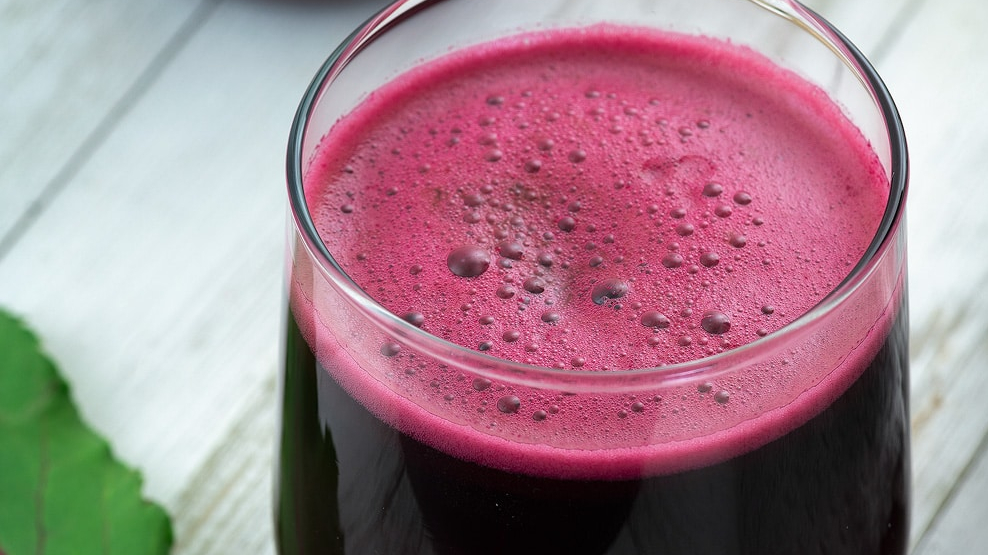
In recent years, the potential health benefits of dietary nitrates have gained significant attention, particularly concerning cardiovascular health. One natural source of nitrates that has emerged in scientific research is beetroot juice. A growing body of evidence suggests that this vibrant, nutrient-dense beverage may hold specific benefits for postmenopausal women, an often overlooked demographic when discussing cardiovascular health.
The Importance of Heart Health in Postmenopausal Women
Postmenopausal women are at an increased risk for cardiovascular diseases—a risk that elevates with age and is compounded by changes in hormonal levels during menopause. The decline in estrogen, which is protective against heart disease, can lead to unfavorable changes in blood pressure, cholesterol levels, and overall vascular function. Thus, finding effective, non-pharmaceutical interventions to support cardiovascular health in this population is crucial.
Understanding Nitrates and Beetroot Juice
Nitrates are naturally occurring compounds found in various vegetables, with the highest concentration found in beetroot. Once consumed, nitrates convert to nitric oxide (NO) in the body, a molecule that plays a pivotal role in vasodilation—the process by which blood vessels relax and widen, enhancing blood flow and reducing blood pressure.
Several studies have demonstrated the cardiovascular benefits of nitrate supplementation, particularly regarding its capacity to lower blood pressure and improve endothelial function. However, the specific impact of beetroot juice on postmenopausal women’s cardiovascular health has garnered particular interest.
The Research Findings
A study published in a reputable medical journal investigated the effects of beetroot juice supplementation in postmenopausal women. The participants consumed beetroot juice regularly over several weeks, with their cardiovascular health markers scrutinized before and after the supplementation period.
The findings were promising. Those who consumed beetroot juice exhibited significant improvements in blood pressure levels, increased nitric oxide production, and enhanced endothelial function versus the control group who did not receive the supplementation.
Researchers hypothesized that these improvements could lead to a reduced risk of cardiovascular events in postmenopausal women, offering a dietary approach to bolster heart health. In particular, the combination of dietary nitrates found in beetroot and other vegetables presents a simple yet effective way for women in this demographic to take control of their heart health.
Practical Applications and Recommendations
For postmenopausal women looking to integrate beetroot juice into their diet, here are some practical tips:
- Choose Quality: Look for organic, pure beetroot juice without added sugars or preservatives for the most health benefits.
- Start Slow: Begin with a small serving (around 1 cup) and gradually increase to determine personal tolerance and maximize benefits.
- Blend and Mix: For a refreshing twist, consider blending beetroot juice with other beneficial ingredients like ginger, lemon, or additional fruits and vegetables.
- Monitor Effects: Keep track of changes in energy levels, blood pressure, and overall well-being. Consultation with a healthcare provider can help assess individual cardiovascular health and needs.
- Balance with a Healthy Diet: Incorporate other nitrate-rich foods, such as leafy greens and radishes, along with maintaining a balanced diet high in antioxidants, omega-3 fatty acids, and fiber.
Conclusion
The potential of beetroot juice as a natural supplement for improving cardiovascular health is an exciting development in the realm of nutrition and women’s health. Postmenopausal women, in particular, may benefit from this nutrient-rich beverage due to its ability to enhance blood flow, regulate blood pressure, and improve endothelial function.
While more research is needed to fully understand the long-term impacts and optimal intake levels, emerging evidence supports the notion that simple dietary changes can significantly improve heart health. As with any health strategy, it is always wise to combine dietary interventions with regular physical activity and routine medical check-ups to ensure comprehensive care for maintaining heart health during and after menopause.
What do you think about this article? Please share it and comment.
You would like to ask a question, publish an article with us or place and advertisement? Please contact us.
 General Health Magazine