
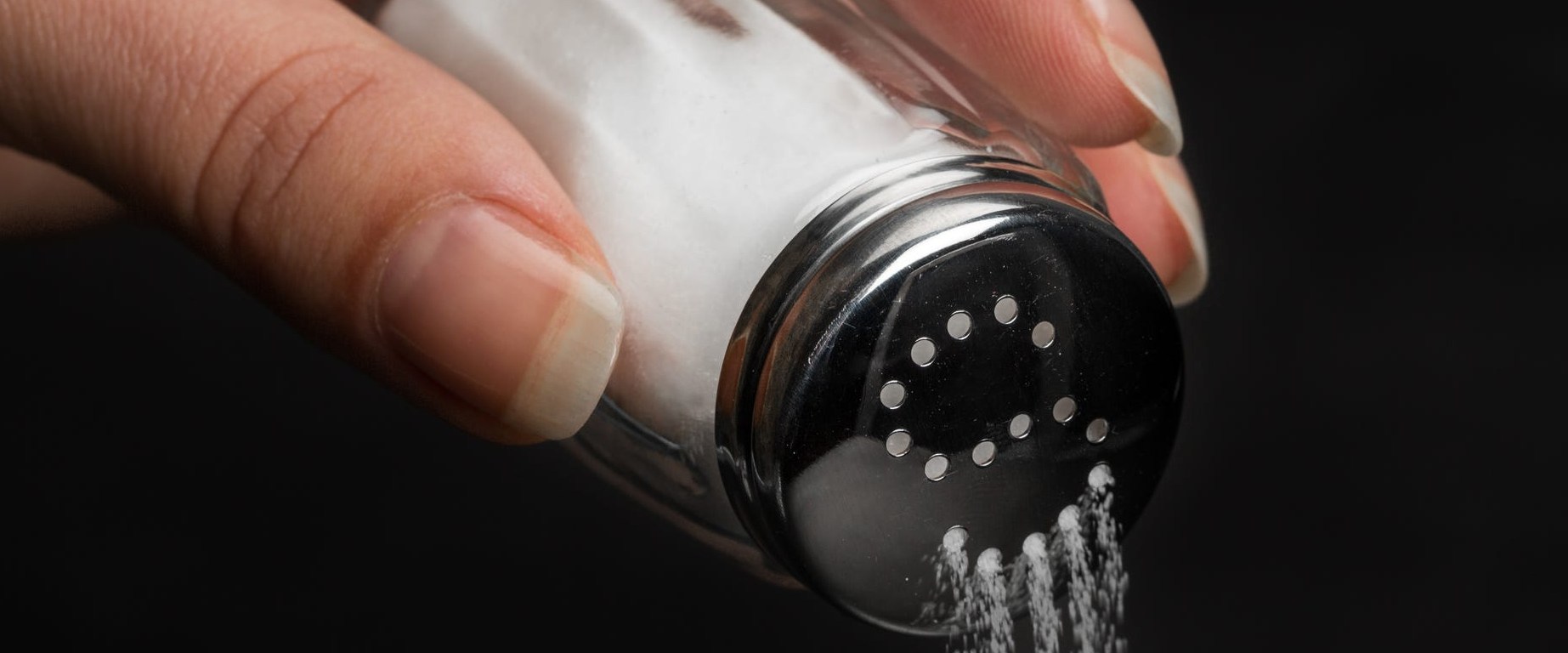
Sodium is an essential mineral that plays a vital role in maintaining fluid balance, regulating blood pressure, and supporting nerve and muscle function. While we need sodium to survive, consuming too much of it can have negative health effects.
Recommended Daily Sodium Intake
The recommended daily sodium intake varies depending on age and health status. According to the Dietary Guidelines for Americans, the recommended daily intake of sodium is:
- 2,300 mg for healthy adults
- 1,500 mg for adults with high blood pressure, diabetes, or chronic kidney disease
For children, the recommended daily sodium intake is:
- 1,000-1,500 mg for children ages 1-3
- 1,200-1,800 mg for children ages 4-8
- 1,500-2,300 mg for children ages 9-13
Why Limit Sodium Intake?
Consuming too much sodium can lead to several health problems, including:
- High blood pressure (hypertension): Sodium retention can increase fluid volume in the blood, raising blood pressure.
- Heart disease: Hypertension is a major risk factor for heart disease.
- Stroke: High blood pressure can weaken blood vessels, increasing the risk of stroke.
- Kidney disease: Excessive sodium intake can overwork the kidneys and lead to kidney damage.
How to Reduce Sodium Intake
Reducing sodium intake can improve overall health and reduce the risk of chronic diseases. Here are some tips to help you lower your sodium intake:
- Read food labels carefully: Check the sodium content of packaged foods and choose low-sodium options whenever possible.
- Cook more meals at home: This gives you control over the amount of salt added to your food.
- Use herbs and spices to flavor food: Enhance the flavor of your meals without adding sodium.
- Limit processed foods: Processed foods are often high in sodium. Opt for whole, unprocessed foods instead.
- Rinse canned foods: Rinsing canned beans, vegetables, and fish can remove excess sodium.
- Eat more fruits and vegetables: Fruits and vegetables are naturally low in sodium.
Conclusion
Sodium is an essential nutrient, but consuming too much of it can have detrimental health effects. By limiting your sodium intake to the recommended daily amount, you can promote overall health and reduce the risk of chronic diseases. Be mindful of your dietary choices, read food labels, and make healthy swaps to keep your sodium intake in check.
What do you think about this article? Please share it and comment.
You would like to ask a question, publish an article with us or place and advertisement? Please contact us.
 General Health Magazine