
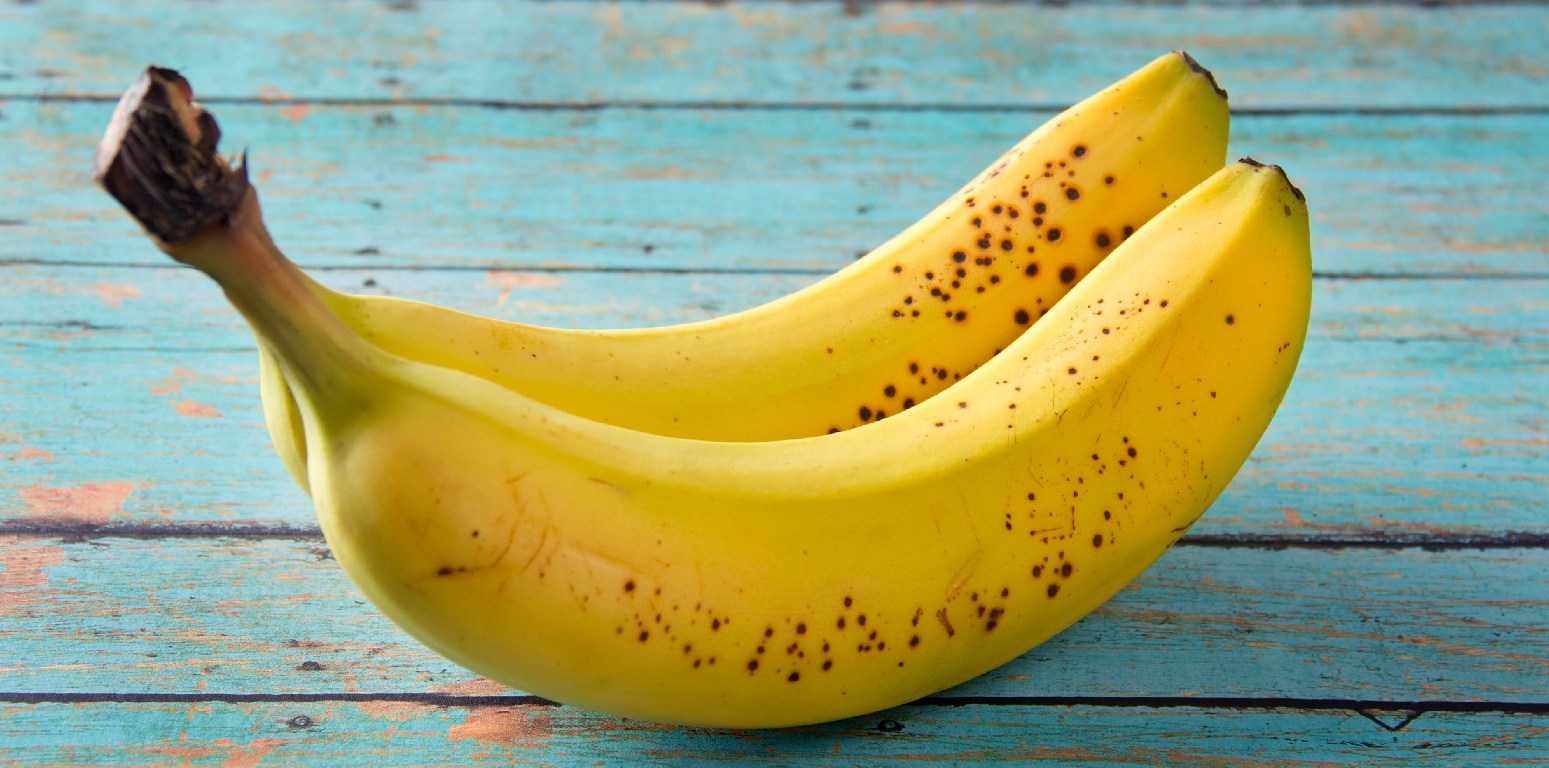
Bananas are one of the world’s most popular fruits, and their health benefits are undeniable. But have you ever noticed those black spots that appear on the skin of the banana? While some people may find them off-putting, these spots actually indicate that the banana is ripe and ready to be eaten.
Bananas ripen as the starches inside the fruit turn to sugar, a process that is accelerated when the banana is exposed to ethylene, a natural gas produced by some fruits and vegetables. As the banana ripens, the black spots appear on the skin as a result of the oxidation of the skin’s enzymes.
The black spots indicate that the banana is at its peak ripeness. Bananas with black spots are often sweeter and more flavorful than those without. They are also softer and easier to mash, making them perfect for baking or using in smoothies.
Bananas with black spots are also packed with nutrients. Studies have shown that these bananas are richer in antioxidants, which can help protect the body from oxidative stress and disease. They are also a good source of dietary fiber, and they contain essential vitamins and minerals like potassium, magnesium, and vitamin B6.
Eating black spotted bananas is also a great way to minimize food waste. Many people throw away bananas that are past their prime, but these bananas still have nutritional value and can be enjoyed in a variety of ways.
So the next time you see those black spots on a banana, don’t be put off. Embrace these spots as a sign of ripeness and enjoy a nutritious snack.
What do you think about this article? Please share it and comment.
You would like to publish an article with us? Please contact us.
 General Health Magazine