
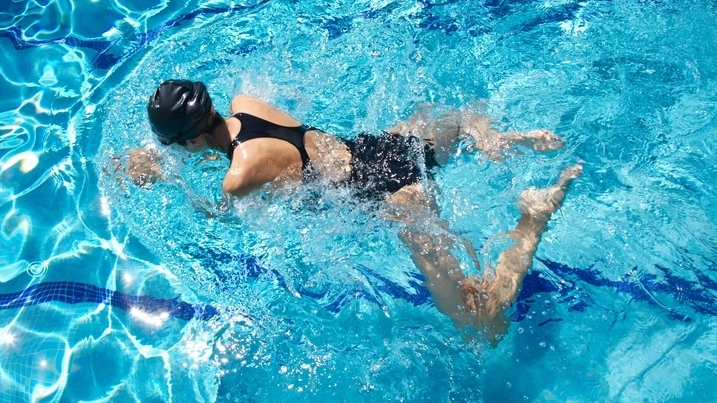
Swimming is often celebrated as a low-impact, full-body workout that serves not only as a means of exercise but also as a refreshing way to unwind. However, for some individuals, swimming can lead to unexpected discomfort, particularly manifesting as swollen, painful palms. If you find yourself dealing with this unsettling condition, it’s essential to delve into the potential causes and explore ways to alleviate and prevent future episodes.
Possible Causes of Swollen, Painful Palms After Swimming
- Allergic Reaction to Chlorine or Pool Chemicals One of the most common culprits behind palm swelling and discomfort is an allergic reaction to chemicals used in swimming pools, particularly chlorine. Chlorine can irritate the skin, leading to symptoms such as redness, swelling, and pain. This reaction may be exacerbated by prolonged exposure, especially for those with sensitive skin.
- Overuse and Strain Swimming engages multiple muscle groups in the upper body, and repetitive motions can lead to strain. The muscles in the hands and forearms may become fatigued or overexerted, particularly during strokes that require extensive use of the hands, such as freestyle or butterfly, resulting in swelling and pain.
- Excessive Grip on Swim Equipment Many swimmers use equipment like kickboards, pull buoys, or paddles to enhance their training. However, a tight grip on this equipment can lead to overexertion and swelling in the palms. If the grip is particularly strenuous, it can contribute to muscle soreness and inflammation.
- Swimmer’s Eczema or Dermatitis Swimmer’s eczema is a form of skin dermatitis linked to swimming and can cause red, inflamed, and itchy skin. This condition is often exacerbated by chlorine or saltwater exposure, leading to swelling and discomfort in the palms and fingers.
- Underlying Medical Conditions In some instances, persistent swelling or pain might signal an underlying medical condition, such as arthritis or carpal tunnel syndrome. These conditions can cause inflammation and discomfort, which may become pronounced after physical activities like swimming.
Recognizing Symptoms and Seeking Help
It’s crucial to be aware of your body’s signals. Symptoms to watch for include:
- Persistent swelling that does not subside with rest
- Severe pain that affects your daily activities
- Rashes or redness that spreads beyond the palms
- Numbness or tingling in the fingers
If you experience these symptoms consistently or if they worsen, consulting a healthcare professional is advisable. A physician can help determine the cause of your discomfort, possibly recommending diagnostic tests or treatments.
Steps for Relief and Prevention
Immediate Relief
- Rest and Ice: After swimming, give your hands a break. Applying ice packs can help reduce swelling and pain. Use ice for 15-20 minutes at a time.
- Anti-inflammatory Medication: Over-the-counter medications like ibuprofen or acetaminophen can alleviate pain and reduce swelling.
- Moisturize: If dryness or irritation arises from chlorine exposure, using a heavy-duty moisturizer on your palms post-swim can help combat skin dryness.
Long-term Prevention
- Limit Exposure to Chlorine: If allergic reactions are suspected, consider swimming in saltwater pools or wearing waterproof gloves during your swim.
- Gradually Increase Intensity: Avoid sudden increases in your swim duration or intensity to prevent overuse injuries.
- Practice Proper Grip Technique: Focus on maintaining a relaxed grip when using swim equipment to reduce strain on your hands.
- Take Breaks: It’s essential to take breaks during your swim sessions to stretch and shake out your hands periodically.
Conclusion
Experiencing swollen, painful palms after swimming can be both uncomfortable and inconvenient. By understanding the likely causes and implementing effective prevention and relief strategies, you can enjoy your time in the water with less discomfort. Remember, if your symptoms persist or worsen, it’s important to seek medical advice to ensure there are no underlying issues that need to be addressed. Keep swimming, but keep your hands happy too!
What do you think about this article? Please share it and comment.
You would like to ask a question, publish an article with us or place and advertisement? Please contact us.
 General Health Magazine