
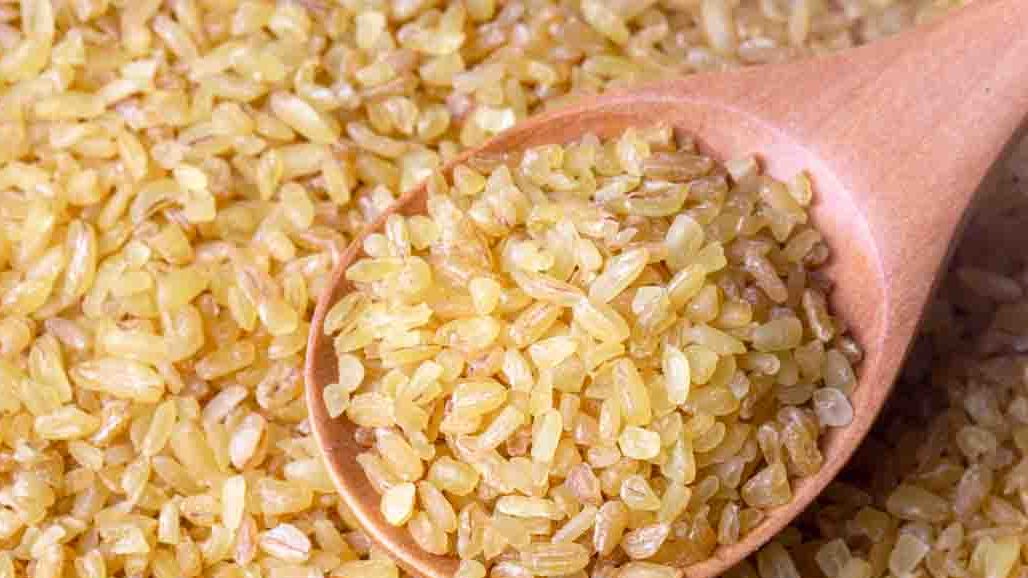
Bulgur wheat is a popular and nutritious grain often used in Mediterranean, Middle Eastern, and vegetarian cuisines. However, if you’re wondering whether it’s a healthy choice or a hidden gluten trap, here’s what you need to know:
Bulgur Wheat: A Nutritious Alternative
Bulgur wheat offers several health benefits, especially for those looking for a nutrient-dense whole grain to incorporate into their diet. Here are some of its key advantages:
1. High in Fiber:
- Bulgur is an excellent source of dietary fiber, which helps promote digestive health, regulate bowel movements, and maintain healthy cholesterol levels.
- The fiber content in bulgur helps to keep you feeling fuller longer, making it a great choice for weight management.
2. Rich in Nutrients:
- Bulgur wheat contains essential vitamins and minerals, including B-vitamins (especially B6), iron, magnesium, and manganese. These nutrients are important for maintaining overall health, supporting energy production, and promoting healthy metabolism.
- It also provides some plant-based protein, though it isn’t as high in protein as quinoa or legumes.
3. Low Glycemic Index:
- Bulgur has a low glycemic index (GI), which means it causes a slower, more stable rise in blood sugar levels. This makes it a suitable grain for individuals looking to manage their blood sugar levels, such as those with diabetes or those trying to maintain steady energy levels throughout the day.
4. Easy to Prepare:
- Bulgur is relatively quick to prepare compared to other whole grains like brown rice or farro. It typically only requires boiling or soaking, making it a convenient option for busy individuals.
Bulgur Wheat: A Gluten Trap?
While bulgur wheat is packed with nutrition, it’s important to note that it does contain gluten, making it unsuitable for people with celiac disease or those with non-celiac gluten sensitivity. Here’s what you should know:
1. Gluten Content:
- Bulgur is made from cracked wheat, which is a form of wheat. Since wheat contains gluten, bulgur wheat is not gluten-free.
- People with gluten-related disorders must avoid bulgur wheat as it can trigger symptoms like stomach pain, bloating, and diarrhea, and lead to more severe reactions in individuals with celiac disease.
2. Gluten-Free Alternatives:
- If you are following a gluten-free diet, there are several alternatives to bulgur wheat, such as quinoa, rice, millet, or gluten-free couscous (often made from corn or rice flour). These alternatives provide similar textures and nutritional benefits without the gluten.
Should You Include Bulgur in Your Diet?
- For most people, bulgur wheat is a highly nutritious and versatile food that can be a healthy addition to a balanced diet. It’s especially beneficial for those who can tolerate gluten and want to incorporate more whole grains into their meals.
- For those with gluten sensitivities or celiac disease, bulgur wheat should be avoided to prevent adverse health effects.
How to Use Bulgur Wheat:
Bulgur is incredibly versatile and can be used in various dishes:
- Salads: Use it in tabbouleh, a popular Middle Eastern salad made with tomatoes, cucumbers, parsley, and a lemony dressing.
- Grain Bowls: Mix it with vegetables, legumes, and protein for a hearty grain bowl.
- Soups & Stews: Add bulgur to soups and stews to give them a nice texture.
- Side Dishes: Serve it as a side dish to replace rice or couscous.
Final Verdict:
Bulgur wheat is a nutritious and fiber-rich whole grain that provides several health benefits. However, it does contain gluten, which makes it unsuitable for those with gluten allergies or sensitivities. If you’re not gluten-sensitive, bulgur can be a great, nutritious alternative to refined grains in your diet. For those avoiding gluten, there are plenty of suitable alternatives available.
What do you think about this article? Please share it and comment.
You would like to ask a question, publish an article with us or place and advertisement? Please contact us.
 General Health Magazine