
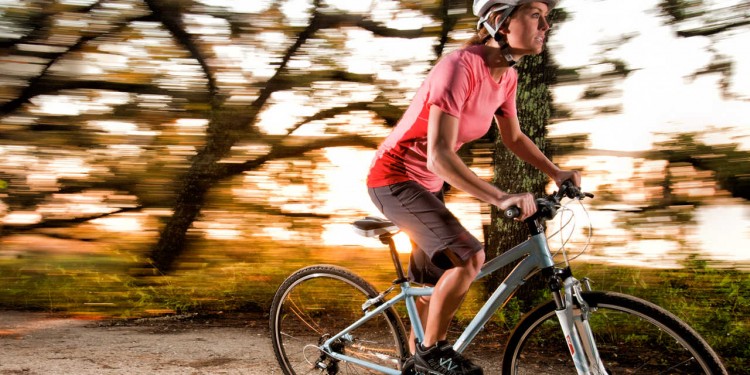
Cycling is one of the most enjoyable and effective ways to improve cardiovascular fitness, build strength and reduce stress. Whether you are new to riding or returning to the sport after years away, proper preparation can make the difference between an uncomfortable outing and a rewarding, sustainable habit.
Below are essential considerations to help ensure a comfortable, efficient and safe riding experience.
Start with the Right Bike Fit
The most common cause of cycling discomfort is riding a bike that does not fit properly. An ill-fitting bike can lead to pain, numbness and inefficient pedaling mechanics.
When shopping for a new bike—particularly for women—consider models designed with female body geometry in mind. These often include:
- Narrower handlebars to match shoulder width
- Brake levers positioned closer to the handlebars for smaller hands
- Saddles that are wider at the back and narrower at the front, often with a center cut-out for pressure relief
A professional bike fitting is highly recommended, especially if you experience:
- Knee pain
- Neck discomfort
- Lower back or shoulder pain
- Numbness in the hands, feet or pelvic area
- Poor posture, such as slumping or sitting overly upright
Small adjustments to stem length and angle, saddle height and position, or pedal setup can significantly improve comfort and prevent overuse injuries.
Choose the Proper Saddle
Finding the right saddle is essential for comfort and performance. Women typically benefit from a slightly wider saddle at the rear to properly support the sit bones and align the pelvis.
Contrary to popular belief, a very soft saddle is not always better. Excessive cushioning can:
- Create pressure “hot spots”
- Contribute to numbness
- Cause unnecessary bouncing
- Disrupt pedaling rhythm
A firm, supportive saddle maintains a consistent distance between your body and the pedals, improving both comfort and efficiency.
Wear Performance-Appropriate Clothing
Cycling apparel is designed to reduce friction, enhance aerodynamics and regulate body temperature.
Modern cycling clothing features moisture-wicking fabrics that draw sweat away from the skin, helping you stay dry and cool. Shorts and tights designed specifically for women often include thin gel or foam liners for comfort without excessive bulk.
Avoid cotton garments, as they absorb sweat and retain moisture, increasing the risk of chafing and reducing your body’s ability to cool itself effectively.
Invest in Proper Footwear and Gloves
Cycling shoes with stiff soles provide essential support and improve pedaling efficiency. They reduce foot fatigue and minimize numbness by distributing pressure evenly.
Padded cycling gloves are equally important. They:
- Protect hands in the event of a fall
- Improve grip
- Absorb road vibration
These small investments can greatly enhance both safety and comfort.
Never Ride Without a Helmet
The most critical piece of cycling equipment is a properly fitted helmet. Wearing one significantly reduces the risk of serious head injury in the event of a crash.
To ensure optimal protection:
- Replace your helmet every four years, or immediately after a crash
- Avoid storing it in hot cars, as heat can degrade protective materials
- Position it so the front sits just above your eyebrows
- Adjust straps snugly so the helmet cannot shift up or down
- Never use a previously worn or damaged helmet
Make helmet use automatic—just like fastening a seat belt.
Perform a Pre-Ride Safety Check
Mechanical issues can quickly derail an otherwise enjoyable ride. Before heading out, conduct a brief inspection:
- Check tire pressure and inspect for cuts or embedded debris
- Look for loose bolts, nuts or spokes
- Clean and lubricate the chain
- Ensure wheels and headset are stable and free of wobble
Carrying basic repair supplies is equally important. A small saddle pouch should include:
- Patch kit
- Tire levers
- Spare inner tube
Additionally, bring:
- Water and energy snacks
- Sunscreen and lip balm
- Identification and some cash
- A lightweight shell
- A mobile phone if riding alone
Preparation helps prevent minor setbacks from becoming major disruptions.
Enhance the Experience
Cycling is not only a form of exercise—it is a social and recreational activity. Joining a local cycling club or participating in group rides organized by bike shops can provide motivation, camaraderie and new route ideas.
With proper equipment, thoughtful preparation and attention to fit, cycling can remain a comfortable, efficient and enjoyable activity for years to come.
So tune up your bike, gear up safely and enjoy the ride. Happy cycling!
What do you think about this article? Please share it and comment.
You would like to ask a question, publish an article with us or place and advertisement? Please contact us.
 General Health Magazine