
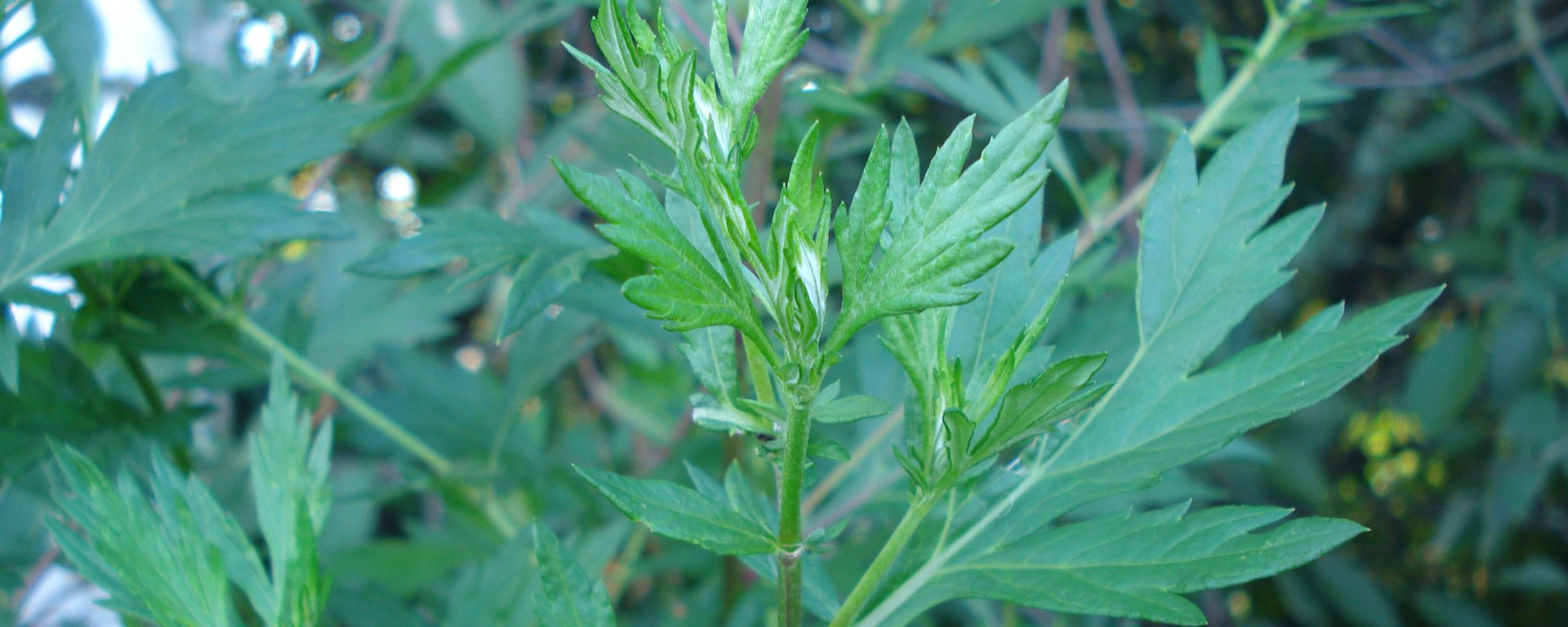
Wormwood (Artemisia absinthium) has long occupied a distinctive place in both cultural history and herbal medicine. Famously associated with absinthe—the botanical spirit enjoyed by artists such as Edgar Degas, Vincent van Gogh and Pablo Picasso—wormwood is far more than a controversial ingredient in a historic beverage.
This aromatic herb, characterized by its bitter taste and gray-green foliage, has been used for centuries in traditional medicine to address digestive disorders, parasitic infections and other ailments. Modern scientific research has further explored its active compounds, particularly artemisinin, revealing promising therapeutic potential. At the same time, safety concerns—largely related to a compound called thujone—require careful consideration.
This article reviews wormwood’s potential health benefits, origins, chemical composition and safety profile.
Understanding Wormwood
Artemisia absinthium is a perennial plant belonging to the Asteraceae (daisy) family. Native to Europe, North Africa and parts of Asia, it now grows in North America as well. The plant emits a strong aromatic scent and has a distinctly bitter flavor, which contributes to its historical use in digestive tonics and bitters.
A related species, Artemisia annua (sweet wormwood), is the source of artemisinin, a compound that has transformed malaria treatment worldwide.
Wormwood contains numerous biologically active compounds, including:
- Sesquiterpene lactones (e.g., absinthin, artemisinin)
- Flavonoids
- Phenolic acids
- Tannins
- Essential oils, including thujone
Thujone, in particular, is responsible for many of the safety concerns surrounding wormwood and absinthe, as high concentrations can be neurotoxic.
Evidence-Based Benefits of Wormwood
1. A Powerful Antimalarial Agent
One of the most significant medical contributions associated with wormwood is artemisinin, derived from Artemisia annua. Artemisinin-based combination therapies are currently recommended by the World Health Organization as first-line treatment for uncomplicated Plasmodium falciparum malaria.
Artemisinin works by reacting with iron inside malaria parasites, generating free radicals that damage and destroy the parasite’s cellular structures. Its rapid action and effectiveness have made it a cornerstone of global malaria treatment efforts.
2. Potential Anticancer Properties
Emerging research suggests that artemisinin may selectively target cancer cells. Some laboratory studies indicate that certain cancer cells—particularly breast cancer cells—contain elevated iron levels, making them more susceptible to artemisinin’s mechanism of action.
In controlled experiments, artemisinin demonstrated the ability to kill iron-rich cancer cells while leaving many normal cells relatively unaffected. While these findings are promising, it is important to emphasize that most research remains at the laboratory stage, and clinical applications require further investigation.
3. Antiparasitic Activity
Historically, wormwood was used as an anthelmintic—an agent that expels parasitic worms from the body. It has traditionally been employed against intestinal parasites such as pinworms and roundworms.
In herbal medicine, wormwood is sometimes combined with black walnut and clove in protocols intended to disrupt parasite life cycles. While some supportive evidence exists, treatment of parasitic infections should always be guided by a qualified healthcare professional.
4. Support for Crohn’s Disease
A double-blind clinical study conducted in Germany evaluated a wormwood-containing herbal preparation in patients with Crohn’s disease. Participants who received wormwood while tapering off steroids demonstrated significant improvement in symptoms, and many achieved remission without resuming steroid therapy.
These findings suggest potential anti-inflammatory and immune-modulating properties. However, additional large-scale studies are needed before wormwood can be considered a standard adjunct treatment.
5. Antimicrobial and Antifungal Effects
Laboratory (in vitro) studies show that wormwood essential oil possesses antimicrobial activity against certain bacterial strains, including E. coli and Salmonella. It has also demonstrated antifungal properties, including activity against Candida albicans.
These results support traditional uses of wormwood for infections, though human clinical data remain limited.
6. Support in Small Intestinal Bacterial Overgrowth (SIBO)
Some herbal treatment protocols for SIBO include wormwood due to its antimicrobial properties. In one clinical study, herbal therapies containing wormwood and other botanicals showed comparable effectiveness to the antibiotic rifaximin in reducing SIBO symptoms.
While encouraging, herbal therapies should be administered under professional supervision to ensure appropriate dosing and safety.
Historical and Cultural Significance
Wormwood’s name derives from its historical use in eliminating intestinal worms. It has appeared in ancient Egyptian medicine, European folk remedies and biblical literature. The term “wormwood” appears multiple times in the Bible, often symbolizing bitterness or affliction.
In the 19th century, wormwood became widely associated with absinthe, an anise-flavored spirit containing wormwood extract. Excessive absinthe consumption was linked to neurological symptoms, later attributed largely to thujone. Today, absinthe is regulated in many countries to limit thujone content.
Safety, Side Effects and Precautions
Despite its potential benefits, wormwood must be used cautiously.
Thujone Concerns
Thujone is a neurotoxic compound found in wormwood essential oil. High concentrations can cause:
- Restlessness
- Insomnia
- Tremors
- Seizures
- Kidney complications
- In severe cases, paralysis or death
For this reason:
- Wormwood is not recommended for long-term use
- It should not be used for more than four weeks consecutively
- It must be taken only in recommended doses
- Essential oil forms are generally discouraged for internal use
Contraindications
Wormwood should be avoided by individuals who:
- Are pregnant or breastfeeding
- Have epilepsy or seizure disorders
- Have kidney disease
- Have porphyria
- Are allergic to plants in the Asteraceae family (e.g., ragweed)
It may also interact with anticonvulsant medications.
Professional supervision is strongly recommended before beginning any wormwood preparation.
Available Forms and Usage
Wormwood is commercially available as:
- Capsules or tablets
- Tinctures and liquid extracts
- Dried herb for tea or infusion
- Essential oil (not recommended for internal use)
Traditional tea preparation involves steeping ½ to 1 teaspoon of dried herb in boiling water for 5–15 minutes. Due to its intense bitterness, it is typically consumed unsweetened to preserve digestive benefits, though complementary herbs such as peppermint or anise may be added.
Conclusion
Wormwood is a plant with a long and complex history—bridging folklore, fine art and modern pharmacology. Its derivative compound artemisinin remains one of the most important breakthroughs in malaria treatment. Emerging research also suggests potential antimicrobial, anti-inflammatory and anticancer properties.
However, its use requires caution. The presence of thujone and other potent compounds means that not all wormwood preparations are equal, and improper use may lead to serious adverse effects.
When used responsibly and under professional guidance, wormwood may offer meaningful therapeutic benefits. As with any potent botanical medicine, informed and careful use is essential.
What do you think about this article? Please share it and comment.
You would like to ask a question, publish an article with us or place and advertisement? Please contact us.
 General Health Magazine