
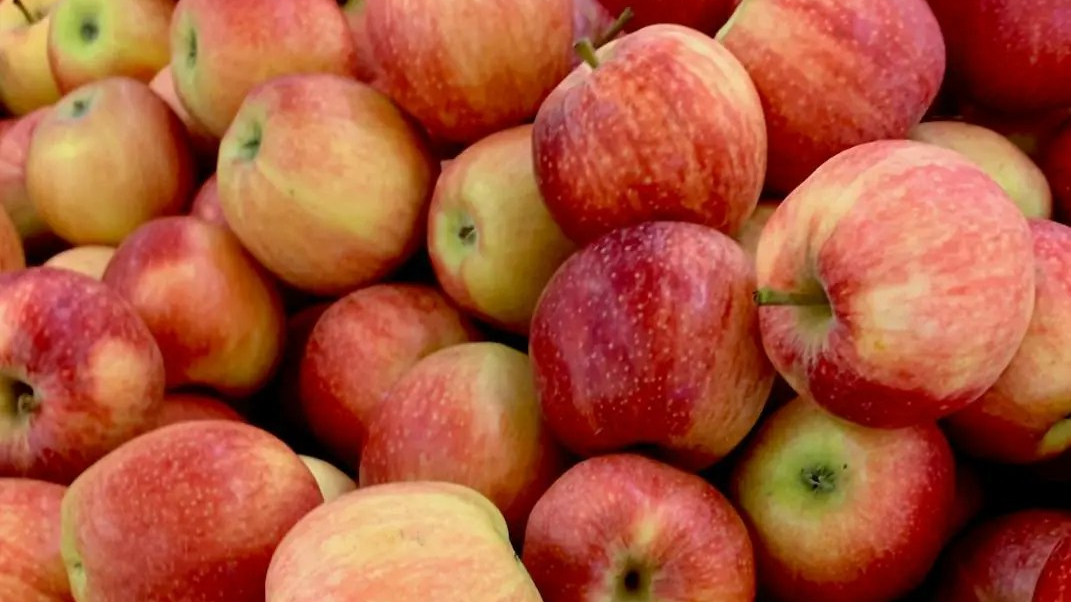
Pesticides play a central role in modern agriculture. Designed to control insects, weeds, fungi, and other threats to crops, these chemicals help farmers protect yields and ensure a stable food supply. Regulatory agencies maintain that approved pesticides, when used properly, are safe within established limits. Yet growing public concern remains about the cumulative health and environmental effects of consuming produce that carries pesticide residues.
One organization at the forefront of this discussion is the Environmental Working Group (EWG), a nonprofit dedicated to environmental health research and advocacy. Each year, the EWG analyzes data from the United States Department of Agriculture (USDA) to identify which fruits and vegetables are most and least likely to contain detectable pesticide residues. Their findings are published in two widely cited lists: the “Dirty Dozen” and the “Clean Fifteen.”
The “Dirty Dozen”: Produce with the Highest Residue Levels
According to the EWG’s latest report, the following fruits and vegetables rank highest for pesticide residues:
- Strawberries
- Spinach
- Kale
- Nectarines
- Apples
- Grapes
- Peaches
- Cherries
- Pears
- Tomatoes
- Celery
- Potatoes
In particular, strawberries, spinach, and kale consistently top the list. The EWG reports that more than 90% of samples of these crops tested positive for residues of two or more pesticides. These findings are influenced by factors such as the crop’s surface characteristics, pest susceptibility, farming practices, and the types and quantities of chemicals applied.
It is important to note that “detectable residue” does not necessarily mean the produce exceeds federal safety limits. However, critics argue that the long-term effects of repeated, low-level exposure to multiple pesticides—sometimes referred to as the “cocktail effect”—remain insufficiently understood.
The “Clean Fifteen”: Produce with the Lowest Residue Level
On the other end of the spectrum, the EWG’s “Clean Fifteen” includes produce found to have the lowest levels of pesticide residue:
- Avocados
- Sweet corn
- Pineapples
- Onions
- Papayas
- Sweet peas (frozen)
- Eggplants
- Asparagus
- Cauliflower
- Cantaloupes
- Broccoli
- Mushrooms
- Honeydew melons
- Cabbage
Avocados, sweet corn, and pineapples typically rank at the top of this list. Thick peels or protective outer layers often limit pesticide penetration, reducing detectable residues on the edible portion.
Why Pesticide Exposure Matters
The central concern surrounding pesticide-laden produce is the potential impact on human health. Scientific research has associated certain pesticides with increased risks of:
- Cancer
- Hormonal (endocrine) disruption
- Neurological disorders
- Reproductive health issues
Children are considered particularly vulnerable. Their bodies and organ systems are still developing, and they consume more food relative to their body weight than adults. Research from the American Academy of Pediatrics has highlighted links between pesticide exposure in children and elevated risks of certain cancers, as well as learning and behavioral challenges.
Beyond human health, pesticides also pose environmental risks. Certain chemicals—particularly neonicotinoids—have been associated with the decline of bee populations. Bees are critical pollinators responsible for supporting a significant portion of global food production. Their decline threatens biodiversity, ecosystem stability, and agricultural productivity.
Practical Steps to Reduce Exposure
While completely eliminating pesticide exposure may not be realistic, consumers can take practical steps to minimize risk:
1. Choose Organic When Possible
Organic farming standards prohibit the use of most synthetic pesticides. Although organic produce may cost more, prioritizing organic options for items on the “Dirty Dozen” can significantly reduce exposure.
2. Wash Produce Thoroughly
Rinsing fruits and vegetables under running water and gently scrubbing firm produce can help remove surface residues. While washing does not eliminate all pesticides, it can reduce the amount present.
3. Peel When Appropriate
Peeling certain fruits and vegetables can lower residue levels, though it may also remove beneficial fiber and nutrients found in the skin.
4. Buy Local and Seasonal
Shopping at local farmers’ markets may offer access to produce grown with fewer chemical inputs. Engaging directly with farmers also allows consumers to ask about cultivation practices.
5. Maintain Perspective
Health experts consistently emphasize that the benefits of eating fruits and vegetables outweigh the potential risks associated with pesticide residues. A diet rich in produce remains one of the most effective strategies for preventing chronic disease.
Conclusion
Pesticides are deeply embedded in modern agriculture, contributing to higher crop yields and food security. However, ongoing research and advocacy efforts—such as those led by the Environmental Working Group—underscore the importance of transparency and consumer awareness.
By understanding which fruits and vegetables are more likely to carry pesticide residues and adopting practical risk-reduction strategies, individuals can make informed decisions that support both personal health and environmental sustainability. Ultimately, informed choices empower consumers to balance convenience, cost, and safety while maintaining a nutritious, plant-rich diet.
What do you think about this article? Please share it and comment.
You would like to ask a question, publish an article with us or place and advertisement? Please contact us.
 General Health Magazine