
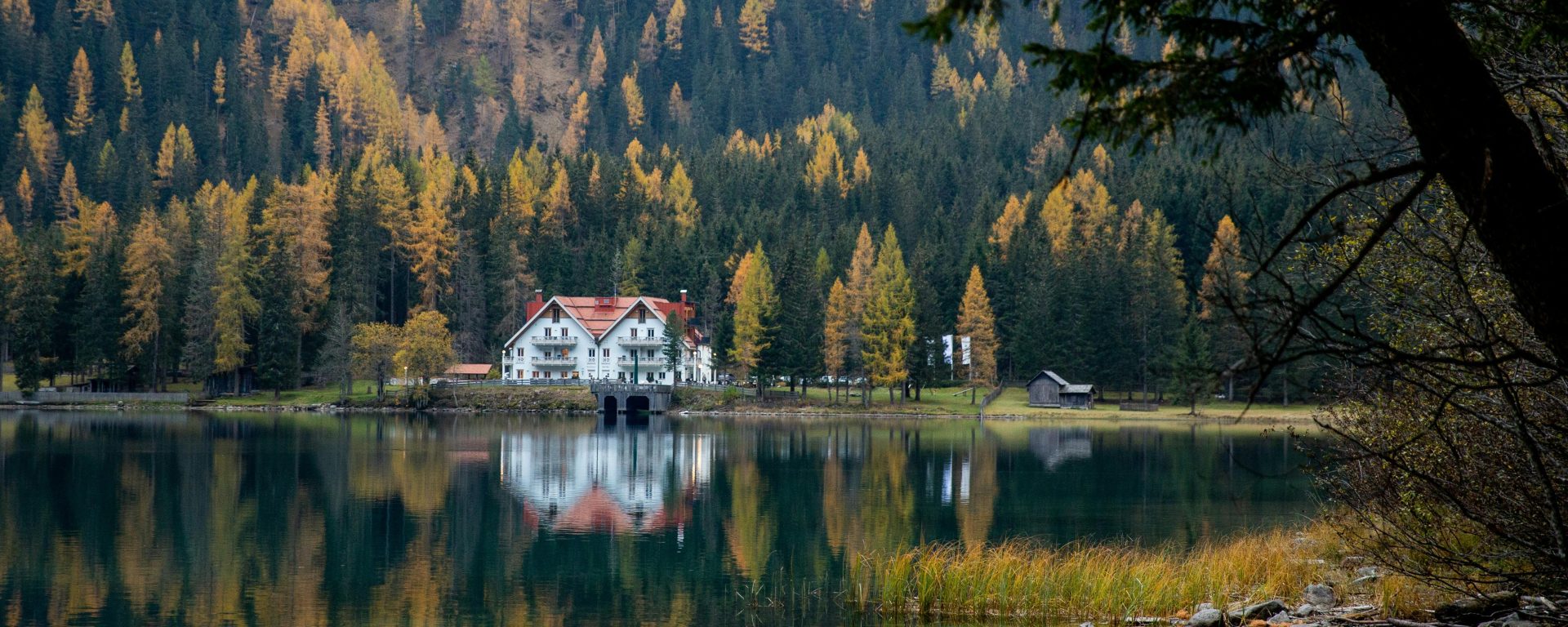
In an era defined by constant connectivity, algorithmic routines, and urban saturation, a growing number of travelers are seeking something radically different: total disconnection. In 2026, this desire has crystallized into a defining movement in global tourism—visits to so-called “Mystic Outlands.” These are remote, often myth-steeped landscapes that promise not just physical distance from modern life, but a psychological and even spiritual departure from it.
What Are Mystic Outlands?
The term “Mystic Outlands” doesn’t refer to a single destination, but rather a category of places. These are regions characterized by a combination of remoteness, natural drama, and cultural or mythological significance. Think windswept highlands, ancient forests, volcanic plateaus, or desert expanses where silence dominates and human presence feels secondary.
What sets these destinations apart from traditional remote travel is the intentional framing: visitors aren’t just going off-grid—they’re stepping into environments that feel timeless, symbolic, and, in some cases, otherworldly. The experience is curated not through luxury, but through absence—of noise, crowds, and digital intrusion.
Why Now? The Rise of Escapist Travel
Several forces have converged to make Mystic Outlands the travel trend of 2026. First is digital fatigue. After years of immersive virtual experiences, remote work, and AI-assisted lifestyles, travelers are craving environments where nothing is optimized or personalized—where unpredictability and raw nature take over.
Second is a shift in wellness priorities. Traditional wellness tourism—spas, retreats, and structured mindfulness programs—is being replaced by something less mediated. Travelers are increasingly drawn to self-guided experiences that allow for reflection without instruction. In Mystic Outlands, the landscape itself becomes the facilitator of clarity.
Finally, there’s a cultural dimension. Social media has paradoxically fueled the trend by popularizing visually striking yet sparsely populated locations. However, unlike earlier “Instagrammable” travel waves, the current movement emphasizes privacy and presence over documentation. Many travelers actively avoid posting in real time, choosing instead to experience destinations without the pressure to share.
Key Characteristics of the Experience
A journey into the Mystic Outlands typically includes several defining elements:
- Minimal Infrastructure: Accommodations are often simple—eco-lodges, off-grid cabins, or even guided camping setups. The emphasis is on blending into the environment rather than reshaping it.
- Limited Connectivity: Poor or nonexistent internet access is a feature, not a drawback. Some providers even encourage device-free stays.
- Local Narratives: Many of these regions are tied to folklore, indigenous traditions, or historical mysticism. Travelers are increasingly seeking guided experiences that incorporate storytelling, not just sightseeing.
- Environmental Immersion: Activities are less about adrenaline and more about presence—long hikes, stargazing, silent walks, and natural observation.
The Psychological Appeal
What makes Mystic Outlands particularly compelling is their psychological impact. In removing the constant stimuli of modern life, these environments create space for introspection. The vastness of a desert or the stillness of a remote valley can recalibrate one’s sense of scale and urgency.
Travelers often report a heightened awareness of time, nature, and self. Without schedules dictated by notifications or urban rhythms, days unfold more organically. This unstructured time is increasingly viewed as a luxury in itself.
Sustainability and Responsibility
As with any travel trend, the rise in popularity of Mystic Outlands raises concerns about environmental impact and cultural sensitivity. Many of these regions are ecologically fragile or culturally significant, and increased foot traffic can pose risks.
In response, a new model of tourism is emerging—one that emphasizes low-impact travel, local partnerships, and strict visitor limits. Travelers are encouraged to approach these destinations with respect, understanding that the very qualities that make them appealing are also what make them vulnerable.
Looking Ahead
Mystic Outlands are more than a passing trend; they reflect a broader shift in how people define travel value. Instead of accumulation—of experiences, photos, or checklists—there is a growing emphasis on subtraction. Less noise, less structure, less interference.
In 2026, the ultimate luxury is no longer access, but escape. And in the quiet, expansive reaches of the world’s most remote landscapes, travelers are finding exactly that.
What do you think about this article? Please share it and comment.
You would like to ask a question, publish an article with us or place and advertisement? Please contact us.
 General Health Magazine