
Making healthier food choices goes beyond counting calories or choosing organic labels. One of the most practical ways to reduce your exposure to pesticide residues is by understanding which fruits and vegetables tend to carry the highest—and lowest—levels of contamination. This is where the concept of the “Dirty & Clean 10” becomes especially useful.
This guide breaks down what these lists mean, why they matter, and how to use them to shop smarter without overcomplicating your routine.
What Is the “Dirty & Clean 10”?
The “Dirty 10” refers to produce items that typically contain higher levels of pesticide residues, even after washing. The “Clean 10,” on the other hand, includes fruits and vegetables that are generally lower in pesticide contamination.
These rankings are commonly associated with research conducted by organizations like the Environmental Working Group, which analyzes data from food safety authorities to provide consumer-friendly recommendations.
The Dirty 10: Foods to Buy Organic When Possible
These fruits and vegetables often have thin skins or are more susceptible to pests, making them more likely to retain pesticide residues:
- Strawberries
- Spinach
- Kale
- Grapes
- Peaches
- Pears
- Nectarines
- Apples
- Bell peppers
- Cherries
Why it matters:
Because these foods are harder to clean thoroughly, buying organic versions can significantly reduce your exposure to chemical residues.
The Clean 10: Lower-Risk Choices
These items typically have protective outer layers or lower pesticide usage, making them safer choices even when conventionally grown:
- Avocados
- Sweet corn
- Pineapple
- Onions
- Papaya
- Frozen sweet peas
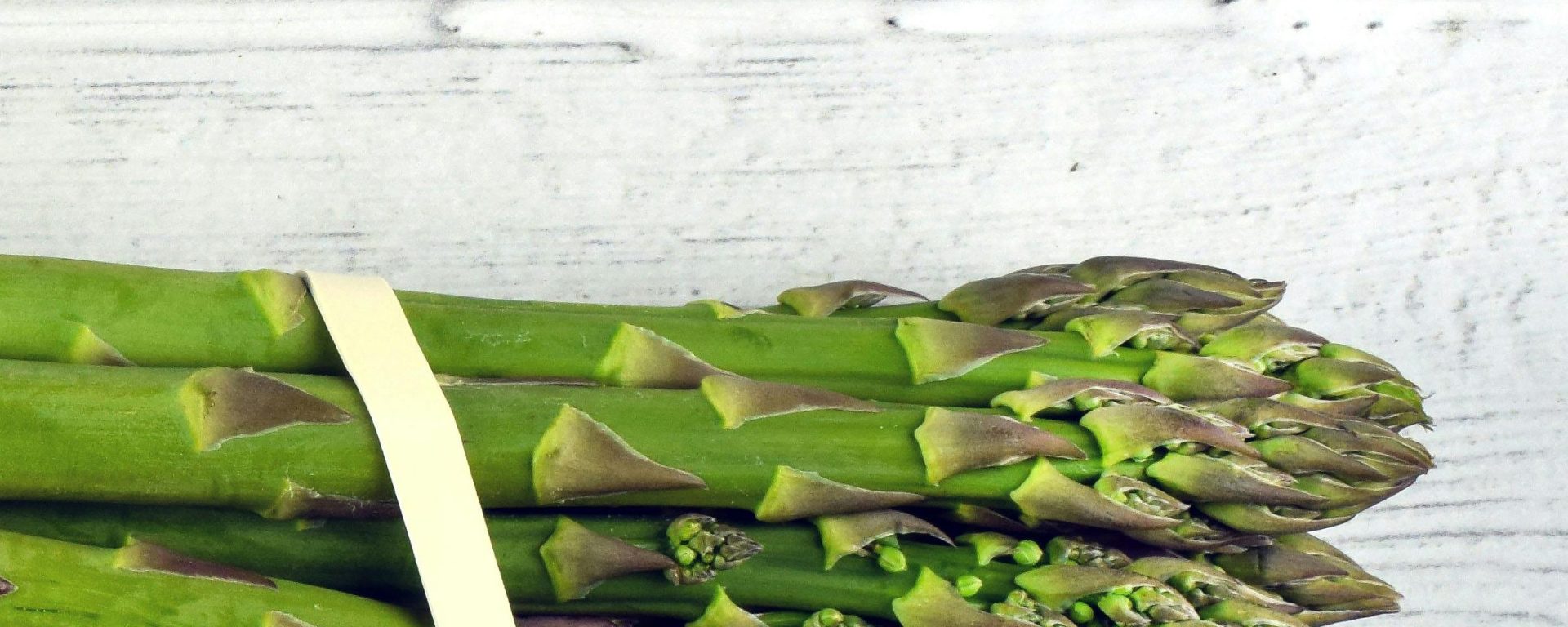
- Asparagus
- Cabbage
- Watermelon
- Mushrooms
Why it matters:
You can often save money by buying these items in their conventional form without significantly increasing your exposure to pesticides.
How to Use This Guide in Real Life
The goal isn’t perfection—it’s making informed decisions where they count most.
1. Prioritize strategically
If your budget doesn’t allow for all-organic shopping, focus on buying organic versions of Dirty 10 items while opting for conventional Clean 10 produce.
2. Wash your produce properly
Even for Clean 10 items, rinsing fruits and vegetables under running water helps remove dirt, bacteria, and some pesticide residues.
3. Diversify your diet
Eating a wide variety of produce reduces the risk of repeated exposure to the same chemicals and ensures a broader intake of nutrients.
4. Don’t stop eating fruits and vegetables
The benefits of consuming fresh produce far outweigh the risks associated with pesticide exposure. This guide is about optimization—not fear.
A Balanced Perspective
While lists like the Dirty & Clean 10 are helpful, they shouldn’t create unnecessary anxiety around food. Regulatory bodies such as the European Food Safety Authority maintain strict limits on pesticide residues to ensure consumer safety.
Ultimately, the best diet is one that is rich in fruits and vegetables—whether organic or conventional—and sustainable for your lifestyle.
The Bottom Line
The Dirty & Clean 10 framework is a simple, practical tool to help you make smarter food choices. By focusing your efforts where they matter most, you can reduce potential risks, stay within your budget, and maintain a balanced, nutritious diet—without overthinking every trip to the grocery store.
What do you think about this article? Please share it and comment.
You would like to ask a question, publish an article with us or place and advertisement? Please contact us.
 General Health Magazine