
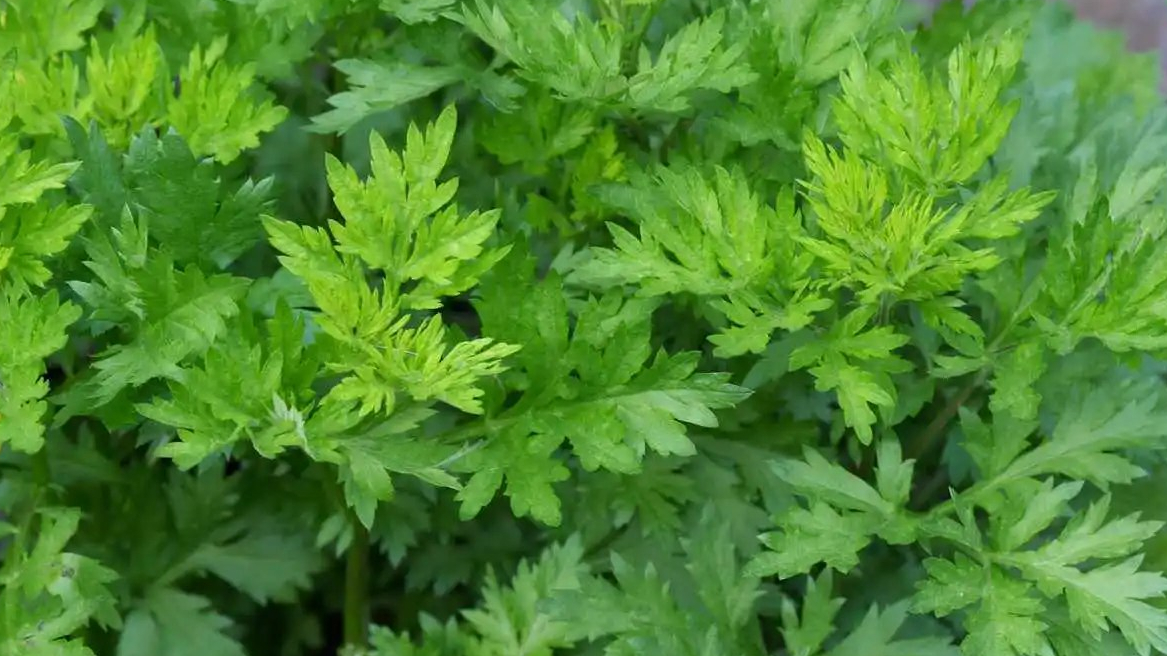
Mugwort, also known as Artemisia vulgaris, is a herb that has been used for centuries in traditional medicine for its healing properties. It is a perennial plant that belongs to the Asteraceae family and is native to Asia and Europe. Mugwort is known for its many health benefits, including its potential to combat joint pain.
Joint pain is a common condition that affects millions of people worldwide. It can be caused by various factors such as injury, arthritis, and inflammation. This type of pain can be debilitating and greatly affects a person’s quality of life. While there are medications available to relieve joint pain, they often come with side effects. This is where mugwort comes in as a natural alternative.
Mugwort contains compounds such as flavonoids, sesquiterpene lactones, and coumarin that have anti-inflammatory properties. These compounds work together to reduce inflammation, which is the root cause of joint pain. By reducing inflammation, mugwort can help alleviate the pain associated with conditions such as rheumatoid arthritis and osteoarthritis.
Moreover, mugwort has been found to be effective in increasing blood circulation, which is crucial for maintaining healthy joints. When the blood flow is improved, it brings necessary nutrients and oxygen to the joints, promoting healing and reducing pain.
Another benefit of mugwort is its ability to act as a natural muscle relaxant. Joint pain is often accompanied by muscle tension and spasms, which can exacerbate the pain. Mugwort helps to relax the muscles, providing relief from stiffness and soreness. This makes it an ideal herb for those who suffer from chronic joint pain.
Additionally, mugwort has analgesic properties, which means it has pain-relieving effects. This makes it an excellent herb for those experiencing acute joint pain due to an injury or strain. By applying a poultice or using a mugwort-infused oil, the pain can be reduced, providing quick relief.
Furthermore, mugwort has been used in traditional medicine to treat gout, a type of arthritis that causes severe joint pain, often in the big toe. The herb has been found to reduce the production of uric acid, which is responsible for causing gout. This makes mugwort an effective natural remedy for gout and its associated joint pain.
It is worth mentioning that mugwort should be used with caution, as it can cause allergic reactions in some individuals. It is always advisable to consult a healthcare professional before using any herb, especially if you have any underlying medical conditions or are taking medication.
Incorporating mugwort into your daily routine can provide many benefits beyond joint pain relief. It is known to have anti-anxiety and anti-depressant properties, promoting better mental health. It is also believed to aid in digestion and improve sleep quality.
There are various ways to use mugwort for joint pain. You can make a tea by steeping dried mugwort leaves in hot water and drink it up to three times a day. Applying a poultice made with mugwort leaves and warm water to the affected area can also provide relief. Alternatively, you can use a mugwort-infused oil for a massage, which can help relax the muscles and reduce pain.
In conclusion, mugwort is a herb that holds great potential in fighting joint pain. Its anti-inflammatory, muscle relaxant, and pain-relieving properties make it a natural alternative to traditional medication. However, further research is needed to fully understand its effects on joint pain and how it can be used safely and effectively. With its long history of use in traditional medicine, mugwort is definitely worth considering for those looking for natural ways to alleviate joint pain.
What do you think about this article? Please share it and comment.
You would like to ask a question, publish an article with us or place and advertisement? Please contact us.

