
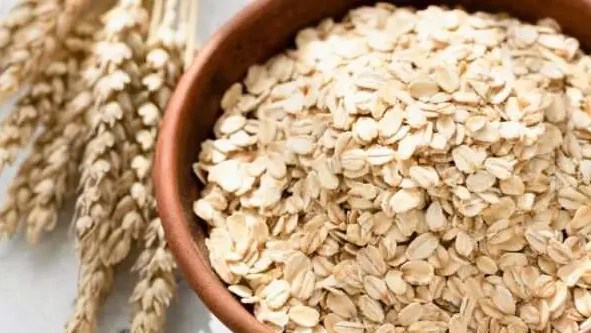
What is Chlormequat?
Chlormequat (chlormequat chloride) is a plant growth regulator primarily used in agriculture to shorten plant stems and reduce lodging (when plants fall over), particularly in cereal crops like wheat, oats, and barley. By altering plant growth, it helps improve crop yields and facilitates easier harvesting.
How Does Chlormequat Get into Foods?
Chlormequat is applied directly to crops. While it’s not intended for use on food crops in some regions (like the U.S.), it may still be present in imported foods due to international agricultural practices. In cereals and grains, residues can persist even after processing.
Health and Safety Concerns
- Regulatory Status:
- United States: The EPA allows chlormequat use on ornamental plants but not on food crops. However, it has established tolerances (legal residue limits) for imported foods that may contain chlormequat.
- European Union & Canada: Approved for use in agriculture, with regulated maximum residue levels (MRLs).
- Toxicity:
- Chlormequat is moderately toxic if ingested in high amounts.
- Animal studies suggest potential effects on the liver, fertility, and fetal development at high exposure levels.
- The EPA and EFSA have established acceptable daily intake (ADI) levels to ensure safety.
- Recent Findings:
- A 2024 study by the Environmental Working Group (EWG) detected rising levels of chlormequat in oat-based products like oatmeal and granola in the U.S., raising consumer concerns—especially for children, who are more vulnerable to chemical exposures.
Common Foods with Detected Residues
- Oats and oat-based cereals (especially imported or conventionally grown)
- Barley
- Wheat
- Grains from countries where chlormequat is approved
Organic products generally do not contain chlormequat, as it’s prohibited under organic standards.
What Can Consumers Do?
- Choose organic when buying oat products and grains.
- Read product origin labels to avoid imports from countries with higher allowed usage.
- Wash grains, though it’s only marginally effective since residues may be inside the grain.
- Stay informed by checking sources like the EWG or EPA for updates on food safety and pesticide monitoring.
Bottom Line
Chlormequat is a legal agricultural chemical in many parts of the world, but its presence in food—especially children’s products—has sparked safety concerns. While current levels are generally considered safe by regulators, consumers who want to minimize exposure should favor organic and domestically grown grain products.
What do you think about this article? Please share it and comment.
You would like to ask a question, publish an article with us or place and advertisement? Please contact us.
 General Health Magazine