
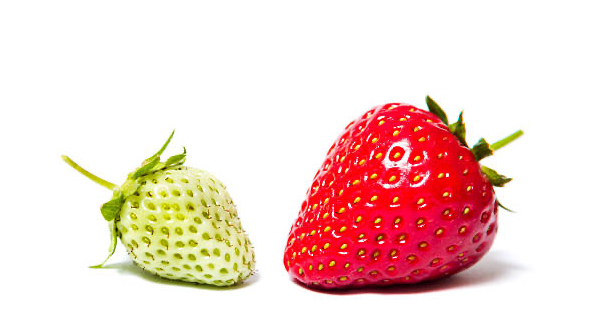
Fruits are widely celebrated for their nutritional benefits, but the ripeness of the fruit can significantly influence its health effects. Many people enjoy snacking on unripe fruits for their crunchiness or tangy flavor, but a common question arises: Is eating unripe fruits unhealthy? This article delves into the nutritional aspects, potential health implications, and culinary considerations of consuming unripe fruits.
Understanding Fruit Ripeness
Fruit ripeness is a result of biochemical processes, and it encompasses various changes in taste, texture, and nutritional content. As fruits ripen, starches convert to sugars, acids decrease, and beneficial compounds such as antioxidants often increase. A fruit that is unripe tends to be firmer, less sweet, and may have a higher acidity level.
Common examples of unripe fruits include green bananas, immature apples, and unripe mangoes. While they may be appealing for specific dishes or preferences, not all unripe fruits are created equal in terms of healthfulness.
Nutritional Considerations
Digestibility
One of the primary concerns with eating unripe fruits is the digestibility of their starches. Many unripe fruits contain resistant starch, which can be difficult for some people to digest. Consuming large quantities of resistant starch may lead to gastrointestinal discomfort, bloating, or gas. For individuals with sensitive digestive systems or conditions such as irritable bowel syndrome (IBS), it may be wise to limit the intake of unripe fruits.
Nutrient Content
Unripe fruits often contain certain nutrients and compounds in higher concentrations compared to their ripe counterparts. For example, green bananas are rich in potassium, vitamin C, and fiber, while also being low on the glycemic index. However, the bioavailability of these nutrients can vary when fruits are unripe. Some vitamins may be easier for the body to absorb when the fruit is fully ripe.
Toxic Compounds
Certain unripe fruits might contain higher levels of naturally occurring toxic compounds or anti-nutrients. For instance, immature tomatoes contain solanine, which can cause gastrointestinal distress. Some unripe fruits, like ackee (a fruit native to Jamaica), can be poisonous if consumed before it’s fully ripe. It is essential to be informed about these risks before indulging in unripe fruits.
Culinary Uses
While some unripe fruits may pose health risks when eaten raw, they can be prepared safely and deliciously in various culinary contexts. For example:
- Green bananas are often cooked and used in dishes like plantain chips or as a starchy side dish.
- Unripe mangoes are popular in salads, chutneys, or pickles, where their tart flavor can enhance the overall dish.
- Cucumbers (though technically being a fruit) are often harvested early and are perfectly safe to eat before they reach full ripeness, serving as a great addition to salads.
Cooking unripe fruits can help break down some of the complex starches, making them easier to digest while allowing the flavors to develop.
Conclusion
While eating unripe fruits is not inherently unhealthy, it is essential to be mindful of the potential digestive issues, nutrient availability, and any toxic compounds they may contain. For many fruits, ripening enhances the overall taste, digestibility, and nutrient absorption, making ripe fruits a more palatable and healthful option. Nevertheless, incorporating cooked or prepared unripe fruits in moderation can add diversity to one’s diet. As always, it’s best to listen to your body and consult with a healthcare professional or nutritionist if you have concerns about food sensitivities or digestive health.
In summary, unripe fruits can be a unique culinary experience, but it is crucial to approach their consumption with knowledge and care. Enjoy the vibrant world of fruits, whether ripe or unripe, but make informed choices for your health and well-being.
What do you think about this article? Please share it and comment.
You would like to ask a question, publish an article with us or place and advertisement? Please contact us.
 General Health Magazine