
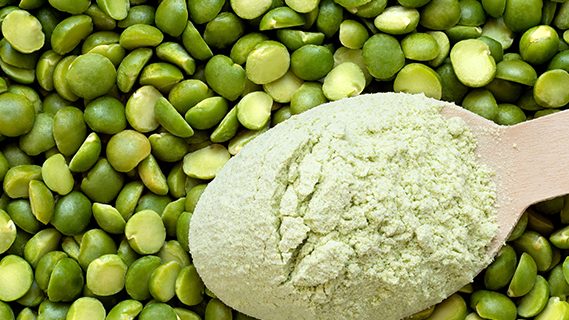
As interest in plant-based nutrition continues to grow, pea protein has emerged as a popular alternative to traditional animal-based and dairy-derived protein supplements. Once considered a niche option, it is now widely used by athletes, fitness enthusiasts, and individuals with dietary restrictions. Pea protein offers a compelling combination of nutritional value, digestibility, and sustainability—without relying on dairy.
What Is Pea Protein?
Pea protein is a powdered protein extract derived from yellow split peas (Pisum sativum). Through a filtration process, most of the carbohydrates and fats are removed, resulting in a concentrated protein source that can be added to shakes, smoothies, or food products.
Unlike whole legumes, pea protein is low in fiber and starch, making it easier to digest while still retaining a strong amino acid profile.
Protein Quality and Muscle Growth
Amino Acid Profile
Pea protein contains all nine essential amino acids, making it a complete protein. It is particularly rich in branched-chain amino acids (BCAAs), including leucine, which plays a key role in muscle protein synthesis.
While pea protein is slightly lower in methionine compared to whey or animal proteins, this limitation is easily addressed through a varied diet that includes grains, seeds, or other plant proteins.
Muscle-Building Effectiveness
Research indicates that pea protein can support muscle growth and strength gains comparable to whey protein when consumed in adequate amounts and paired with resistance training. For individuals who avoid dairy or experience lactose intolerance, pea protein provides an effective alternative without compromising results.
Digestibility and Allergen Benefits
Pea protein is naturally free from dairy, gluten, and soy—three common dietary allergens. This makes it suitable for a wide range of people, including those with food sensitivities or intolerances.
It is also generally easy on the digestive system. Unlike some dairy-based proteins, pea protein does not typically cause bloating or gastrointestinal discomfort, making it a good option for daily use.
Additional Health Benefits
Satiety and Weight Management
Pea protein promotes feelings of fullness, which may help reduce overall calorie intake. This can be beneficial for individuals aiming to manage body weight while maintaining muscle mass.
Heart Health
Some studies suggest that pea protein may support cardiovascular health by helping regulate blood pressure. While protein alone is not a treatment, incorporating plant-based protein sources can contribute to a heart-conscious diet.
Sustainability and Environmental Impact
Compared to animal-based protein sources, pea protein has a lower environmental footprint. Peas require less water, produce fewer greenhouse gas emissions, and contribute to soil health by naturally fixing nitrogen.
For those seeking both performance and sustainability, pea protein aligns well with environmentally responsible nutrition choices.
Taste, Texture, and Use
Early versions of pea protein were often criticized for a gritty texture or earthy flavor. Modern processing techniques have significantly improved taste and mixability. Many products now blend pea protein with natural flavors or complementary plant proteins to enhance the overall experience.
Pea protein can be used in:
- Protein shakes and smoothies
- Baked goods and protein bars
- Oatmeal or yogurt alternatives
- Savory recipes such as soups or sauces
Who Should Consider Pea Protein?
Pea protein may be especially beneficial for:
- Individuals who are lactose intolerant or dairy-free
- Vegans and vegetarians
- People with soy or gluten sensitivities
- Athletes seeking a plant-based muscle-building option
Final Thought
Pea protein is no longer just a substitute—it is a legitimate, effective protein source in its own right. With a strong amino acid profile, good digestibility, and a lower environmental impact, it offers a non-dairy solution for building and maintaining muscle without sacrificing performance or health.
For those looking to support strength, recovery, and sustainability, pea protein is a smart and increasingly mainstream choice.
What do you think about this article? Please share it and comment.
You would like to ask a question, publish an article with us or place and advertisement? Please contact us.
 General Health Magazine