
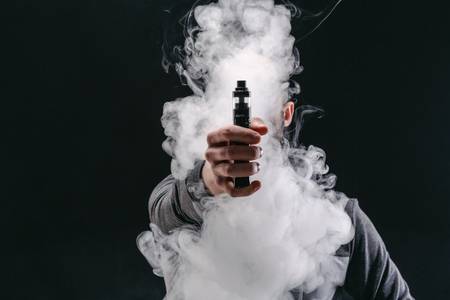
Vaping remains a rapidly evolving public health issue. Although e-cigarettes are generally considered less harmful than combustible cigarettes for adults who completely switch from smoking, they are not risk-free. Research continues to identify concerns related to nicotine addiction, lung health, cardiovascular disease, and exposure to potentially harmful chemicals.
The 2019 outbreak of E-cigarette or Vaping Product Use-Associated Lung Injury (EVALI) highlighted just how dangerous unregulated vaping products can be. Since then, scientists have learned much more about what caused the outbreak and how today’s vaping risks differ depending on the type of product being used.
Looking Back at the 2019 EVALI Outbreak
In 2019, thousands of people across the United States were hospitalized with a severe lung injury linked to vaping, and dozens died.
Initially, the exact cause was unknown. Investigators suspected a range of possible contaminants in vaping products, particularly those containing tetrahydrocannabinol (THC), the psychoactive component of cannabis.
Subsequent investigations by the U.S. Centers for Disease Control and Prevention (CDC) and multiple scientific studies identified vitamin E acetate as the primary chemical responsible for most EVALI cases. The substance had been widely used as a thickening agent in illicit THC vape cartridges sold through informal or black-market sources.
Vitamin E acetate is considered safe for use in foods and skin-care products but is not safe to inhale. When heated and inhaled, it can interfere with normal lung function and trigger severe chemical lung injury.
What Investigators Found in Illegal Vape Cartridges
Laboratory investigations conducted during the outbreak found that many counterfeit THC vape cartridges contained multiple contaminants.
Among the substances detected were:
- Vitamin E acetate
- Pesticide residues
- Heavy metals
- Residual solvents
- Agricultural fungicides such as myclobutanil
One pesticide, myclobutanil, can decompose into hydrogen cyanide when exposed to high temperatures. Hydrogen cyanide is a highly toxic compound that interferes with the body’s ability to use oxygen effectively.
These findings highlighted the significant dangers associated with unregulated vaping products manufactured outside licensed supply chains.
What Are the Risks of Vaping Today?
Although the EVALI outbreak has largely subsided following the removal of vitamin E acetate from many illicit THC products, vaping still carries important health risks.
Current evidence suggests that regular vaping may contribute to:
- Airway irritation
- Chronic cough
- Wheezing
- Lung inflammation
- Reduced lung function
- Increased heart rate and blood pressure
- Blood vessel dysfunction
- Nicotine dependence
- Exposure to potentially toxic chemicals and heavy metals
Researchers continue to study the long-term effects of vaping, particularly among young adults and people who have never smoked cigarettes.
Nicotine Vapes vs. Illicit THC Vapes
It is important to distinguish between different types of vaping products.
Regulated Nicotine E-Cigarettes
Nicotine e-cigarettes sold through regulated manufacturers are generally produced under stricter quality standards than illicit products.
For adults who already smoke cigarettes, completely switching from smoking to regulated nicotine vaping may reduce exposure to many of the toxic chemicals produced by burning tobacco. However, vaping is not harmless, and health authorities do not recommend it for people who do not already use tobacco products.
Illicit THC Vape Products
THC cartridges purchased from informal sources remain significantly more concerning.
Counterfeit or illegally manufactured cartridges may contain:
- Unknown additives
- Thickening agents
- Pesticides
- Heavy metals
- Residual solvents
- Contaminants that are not listed on product labels
Because these products are unregulated, consumers often have no reliable way of knowing exactly what they are inhaling.
Youth and Young Adults Face Additional Risks
Health organizations continue to warn that nicotine exposure during adolescence and young adulthood can interfere with normal brain development.
Nicotine affects areas involved in:
- Learning
- Memory
- Attention
- Mood regulation
- Impulse control
Young people also develop nicotine dependence more quickly than many adults, increasing the likelihood of long-term addiction.
Can Vaping Help People Quit Smoking?
The evidence is mixed but increasingly supportive for one specific group: adult smokers who completely replace cigarettes with nicotine e-cigarettes.
Some systematic reviews have found that nicotine e-cigarettes can help certain adults quit smoking more successfully than nicotine replacement therapy alone, particularly when combined with behavioral support. However, they are not approved or appropriate for everyone, and dual use of cigarettes and e-cigarettes provides far less benefit than switching completely.
People who have never smoked should not begin vaping because of its addictive potential and uncertain long-term health effects.
How to Reduce Your Risk
Health experts recommend:
- Avoid purchasing THC vape cartridges from informal or street sources.
- Never use counterfeit or modified vaping products.
- Purchase cannabis products only from licensed retailers where legal.
- Avoid adding oils or other substances to vaping devices.
- Seek medical attention immediately if vaping is followed by persistent cough, chest pain, difficulty breathing, fever, or severe nausea.
- If you smoke cigarettes and want to quit, discuss evidence-based cessation options with a healthcare professional.
Final Thoughts
The 2019 EVALI outbreak fundamentally changed our understanding of vaping safety. Researchers now know that vitamin E acetate in illicit THC cartridges was responsible for most of those severe lung injuries, underscoring the dangers of unregulated vaping products.
However, the story does not end there. As of 2026, research continues to show that vaping—particularly frequent nicotine vaping—is associated with respiratory irritation, cardiovascular effects, nicotine addiction, and exposure to potentially harmful chemicals. While regulated nicotine e-cigarettes may reduce harm for some adult smokers who completely switch from combustible tobacco, they are not without risks and should not be considered safe for non-smokers, adolescents, or young adults.
As scientific evidence continues to evolve, the safest approach remains avoiding unregulated vaping products altogether and making informed decisions based on current medical guidance.
What do you think about this article? Please share it and comment.
You would like to publish an article with us? Please contact us.
 General Health Magazine