
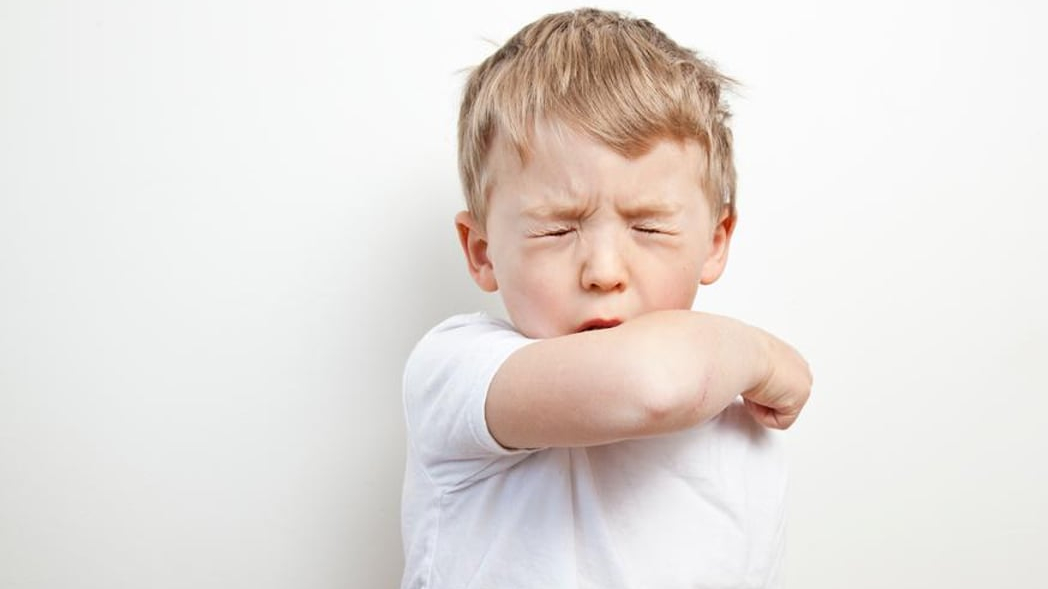
A sore throat is a common issue for children, and it can be caused by various factors, from viral infections to environmental irritants. Understanding the symptoms, treatment options, and prevention strategies can help manage the condition and provide comfort to your child.
Symptoms of Sore Throat in Children
A sore throat in children may present with a range of symptoms, which can vary depending on the cause of the throat pain. Common signs and symptoms include:
- Pain or Scratchy Throat: The most obvious symptom is pain or discomfort in the throat, which can worsen when swallowing or talking.
- Difficulty Swallowing: Children may have trouble swallowing due to pain, which can affect eating and drinking.
- Fever: Many children with a sore throat will have a fever, especially if it’s caused by an infection like strep throat or a viral illness.
- Red or Swollen Throat: The throat may appear red, and there might be visible swelling of the tonsils, especially in cases of bacterial infections (e.g., strep throat).
- Coughing or Runny Nose: A sore throat often accompanies a cold or respiratory infection, leading to symptoms like coughing, sneezing, or a stuffy nose.
- Bad Breath: Foul-smelling breath can be a sign of a bacterial infection or post-nasal drip.
- Ear Pain: Sometimes, a sore throat can cause ear pain due to shared nerve pathways between the throat and ears.
- Headache: Headaches are common in children with sore throats, particularly in cases of viral or bacterial infections.
- Irritability or Fussiness: Younger children or infants may become irritable, restless, or have trouble sleeping due to the discomfort of a sore throat.
Causes of Sore Throat in Children
Several different factors can lead to a sore throat in children, including:
- Viral Infections:
- Common Cold: A viral infection that can cause a sore throat, along with congestion, cough, and mild fever.
- Influenza (Flu): The flu virus often causes a sore throat, fever, body aches, and fatigue.
- Coxsackievirus (Hand, Foot, and Mouth Disease): This virus causes sores in the throat and a rash on the body.
- COVID-19: A sore throat is a common symptom of COVID-19 in children, along with fever and cough.
- Bacterial Infections:
- Strep Throat: Caused by the Group A Streptococcus bacteria, strep throat typically leads to severe throat pain, difficulty swallowing, fever, and sometimes a red rash (scarlet fever).
- Tonsillitis: Inflammation of the tonsils caused by a bacterial infection can cause throat pain, fever, and difficulty swallowing.
- Allergies:
- Allergic reactions to dust, pollen, pet dander, or mold can cause a sore throat due to post-nasal drip (mucus draining down the back of the throat).
- Dry Air:
- Dry air, especially in winter, can irritate the throat and cause discomfort or soreness.
- Irritants:
- Exposure to tobacco smoke, strong odors, or pollution can irritate the throat and lead to soreness.
- Gastroesophageal Reflux Disease (GERD):
- Acid reflux can cause stomach acids to flow back into the throat, irritating it and causing a sore throat.
- Teething (in younger children):
- For babies and toddlers, teething can sometimes cause mild throat discomfort.
Treatment of Sore Throat in Children
Treatment will depend on the cause of the sore throat. Here are some general strategies for managing sore throats in children:
- Home Remedies for Relief:
- Hydration: Encourage your child to drink plenty of fluids, such as water, warm tea, or diluted fruit juices, to keep their throat moist and soothe irritation.
- Saltwater Gargle (for children over 4): A warm saltwater gargle can help ease throat pain and reduce swelling.
- Humidifier: Use a humidifier in your child’s room to add moisture to the air and prevent their throat from drying out, especially in dry climates or during the winter.
- Honey (for children over 1 year): Honey has natural antibacterial properties and can help soothe a sore throat. Mix it into warm water or tea for comfort.
- Cool or Warm Compress: A cool or warm compress on the throat can provide some comfort, depending on your child’s preference.
- Over-the-Counter Pain Relief:
- Acetaminophen (Tylenol) or Ibuprofen (Advil) can help reduce pain and fever. Ensure you follow the recommended dosage based on your child’s age and weight.
- Throat Lozenges or Sprays (for older children): These may provide temporary relief, but should not be used for children under 4 due to choking hazards.
- Antibiotics:
- If the sore throat is caused by a bacterial infection, such as strep throat, a doctor will prescribe antibiotics. It’s important to finish the entire course of antibiotics even if your child starts feeling better before it’s done.
- Rest:
- Ensure your child gets plenty of rest to help their immune system fight off the infection.
- Antihistamines (for allergies): If allergies are causing the sore throat, antihistamines may help relieve symptoms.
- Avoid Irritants:
- Keep your child away from smoke, strong smells, and other irritants that could make their throat worse.
When to See a Doctor
While most sore throats in children are caused by viral infections and resolve on their own, certain signs may indicate the need for medical attention:
- Persistent Fever: If your child has a fever that lasts more than 2-3 days or is very high (above 103°F or 39.4°C), seek medical advice.
- Severe Pain: If the sore throat is severe or making it difficult for your child to swallow food or liquids, a doctor’s visit may be necessary.
- Rash: A red rash, especially with a sore throat, could indicate scarlet fever, a bacterial infection requiring treatment.
- Difficulty Breathing: If your child has difficulty breathing or swallowing, or if you notice swelling in the neck or jaw, seek medical attention immediately.
- Strep Throat Symptoms: If your child has a fever, severe sore throat, headache, and swollen lymph nodes, they may need a rapid strep test to rule out strep throat.
- Persistent Symptoms: If the sore throat lasts more than 10 days without improvement, it may require further evaluation.
Prevention of Sore Throat in Children
There are several strategies to reduce the risk of your child developing a sore throat:
- Good Hygiene:
- Teach your child to wash their hands regularly, especially after coughing or sneezing and before eating.
- Encourage them not to share food, drinks, or utensils with others to prevent the spread of germs.
- Boost Immunity:
- Ensure your child eats a balanced diet with plenty of fruits and vegetables to support their immune system.
- Encourage regular physical activity and adequate sleep.
- Avoid Exposure to Sick Individuals:
- Keep your child away from others who are sick, especially if they have a bacterial or viral infection.
- Use a Humidifier:
- Keeping the air in your child’s room moist can help prevent a dry, scratchy throat, especially in the winter months.
- Protect Against Allergens:
- Keep your home clean and free of allergens like dust, pet dander, and mold, which can trigger throat irritation.
- Avoid Smoking Around Children:
- Secondhand smoke can irritate your child’s throat and respiratory system. Ensure your child is in a smoke-free environment.
Conclusion
A sore throat is common in children and is usually caused by viral infections like colds or the flu, but it can also be caused by bacterial infections, allergies, or environmental factors. Most cases can be managed at home with hydration, pain relief, and rest, but it’s important to seek medical attention if symptoms worsen or persist. By practicing good hygiene, keeping your child’s immune system strong, and avoiding exposure to irritants, you can help reduce the chances of your child developing a sore throat.
What do you think about this article? Please share it and comment.
You would like to ask a question, publish an article with us or place and advertisement? Please contact us.
 General Health Magazine