
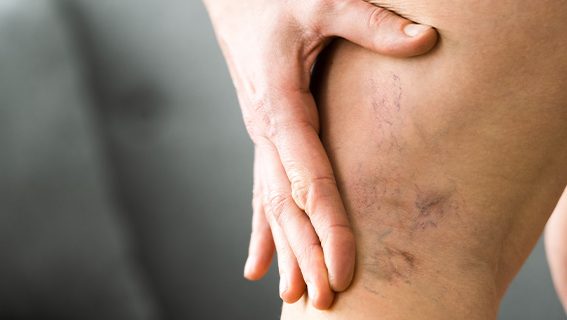
Varicose veins are swollen, twisted veins that often appear on the legs and feet. While there are medical treatments available, some people prefer natural remedies to manage and alleviate the symptoms. Here are 10 natural remedies you can try to help reduce the appearance and discomfort of varicose veins:
1. Exercise Regularly
- Why it helps: Regular exercise improves blood circulation and strengthens veins. Activities like walking, swimming, and cycling can help reduce the pressure on your veins and prevent further damage.
- Tip: Aim for at least 30 minutes of moderate exercise most days of the week.
2. Elevate Your Legs
- Why it helps: Elevating your legs above your heart helps improve blood circulation and reduces the pressure on your veins.
- Tip: Try to elevate your legs for 15–20 minutes several times a day.
3. Wear Compression Stockings
- Why it helps: Compression stockings apply gentle pressure to your legs, which helps veins move blood more efficiently and reduces swelling.
- Tip: Make sure the stockings fit properly and wear them as recommended by your doctor.
4. Apple Cider Vinegar
- Why it helps: Apple cider vinegar is believed to improve blood flow and reduce swelling. It may also help detoxify the body and strengthen the vein walls.
- Tip: Massage apple cider vinegar on the affected area and leave it on for 30 minutes. Alternatively, you can dilute it with water and drink it for internal benefits.
5. Horse Chestnut Extract
- Why it helps: Horse chestnut contains a compound called aescin that is known for its ability to improve blood circulation and reduce swelling and inflammation.
- Tip: You can find horse chestnut extract in supplement form or as a topical gel. Consult your doctor before using it, especially if you have certain health conditions.
6. Witch Hazel
- Why it helps: Witch hazel has anti-inflammatory properties that can reduce swelling and discomfort associated with varicose veins.
- Tip: Apply witch hazel directly to the affected area and massage gently.
7. Cayenne Pepper
- Why it helps: Cayenne pepper contains capsaicin, which promotes blood circulation and reduces pain and swelling.
- Tip: Mix cayenne pepper with warm water to make a paste and apply it to the veins, or you can drink it by adding a teaspoon to warm water.
8. Dietary Changes
- Why it helps: A diet rich in fiber, antioxidants, and flavonoids can help improve circulation and reduce the appearance of varicose veins. Foods like leafy greens, citrus fruits, and berries support vein health.
- Tip: Reduce salt intake and eat a balanced diet to prevent fluid retention, which can worsen varicose veins.
9. Essential Oils (Lavender, Cypress, and Rosemary)
- Why it helps: Some essential oils have anti-inflammatory and circulation-boosting properties that can help reduce swelling and discomfort in varicose veins.
- Tip: Dilute a few drops of essential oils with a carrier oil (like coconut or olive oil) and massage it gently into the affected area.
10. Mind Your Posture
- Why it helps: Standing or sitting for long periods can worsen varicose veins. Changing positions frequently helps prevent blood from pooling in the veins.
- Tip: If you have to stand for long periods, shift your weight from one foot to the other, or take short breaks to walk around.
Bonus Tip: Herbal Teas
- Why it helps: Certain herbs like ginger, ginkgo biloba, and parsley are believed to improve circulation and reduce vein inflammation.
- Tip: Drink herbal teas made with these herbs to support vein health from the inside.
Note: While these remedies may help reduce the appearance of varicose veins and alleviate symptoms, they should not replace professional medical advice. If varicose veins are causing severe pain, swelling, or other complications, it’s important to consult with a healthcare provider for appropriate treatment options.
What do you think about this article? Please share it and comment.
You would like to ask a question, publish an article with us or place and advertisement? Please contact us.
 General Health Magazine