
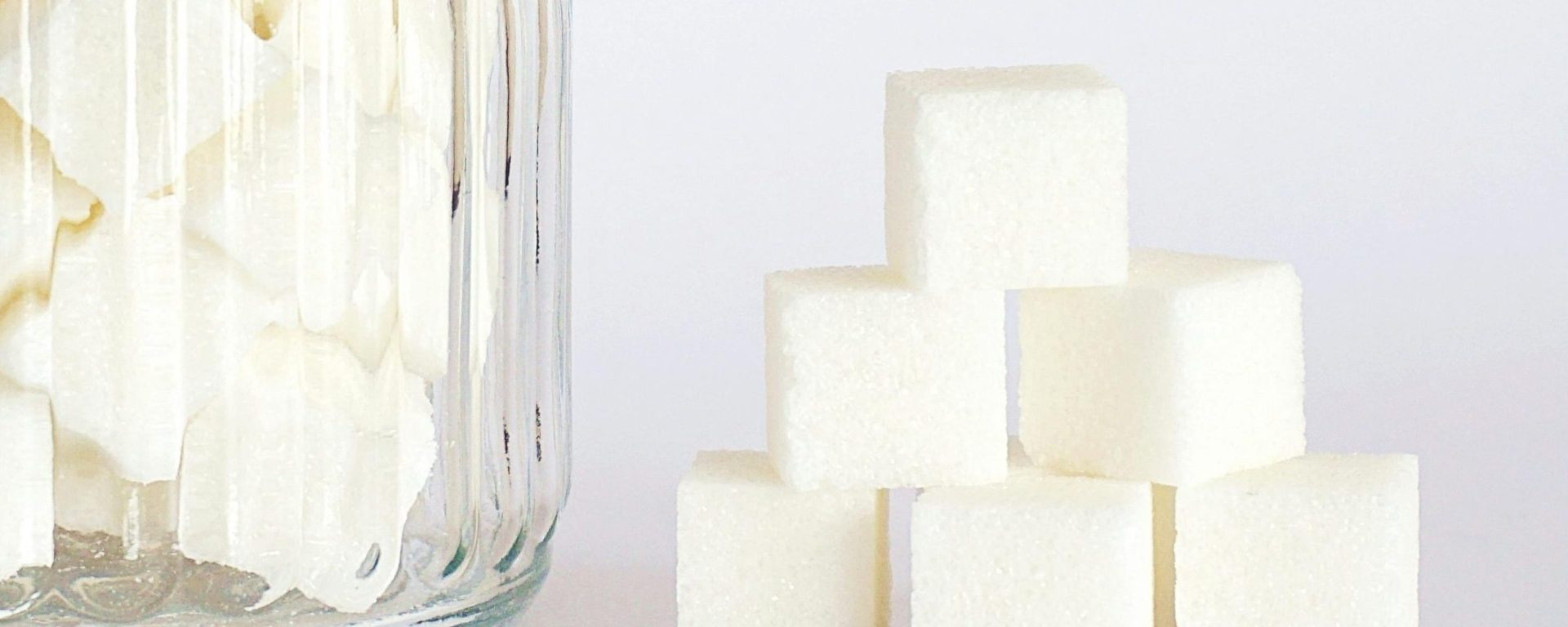
Excess added sugar is linked to weight gain, inflammation, insulin resistance, and an increased risk of chronic diseases. Fortunately, many natural sweeteners offer delicious flavor with fewer calories, a lower glycemic impact, and added health benefits. Below are the 14 best sugar substitutes, ranked for healthfulness, versatility, and minimal processing.
1. Stevia
Best for: everyday use, baking, drinks
Calories: 0
Derived from the Stevia rebaudiana plant, stevia contains natural compounds (steviol glycosides) that provide intense sweetness without calories.
Benefits: zero-glycemic, safe for diabetics, heat-stable for cooking
Tip: Look for pure stevia; avoid blends with additives like maltodextrin.
2. Monk Fruit Sweetener (Luo Han Guo)
Best for: keto diets, hot/cold beverages
Calories: 0
Monk fruit extract is up to 150–200 times sweeter than sugar and contains antioxidant mogrosides.
Benefits: zero-calorie, low-glycemic, gentle on digestion
Tip: Many products contain erythritol blends for improved texture.
3. Raw Honey
Best for: tea, dressings, baking (in moderation)
Calories: ~64/tbsp
Raw honey provides natural enzymes, antioxidants, and antimicrobial properties.
Benefits: may soothe sore throats, contains trace nutrients
Note: High in natural sugars—use sparingly.
4. Maple Syrup
Best for: oatmeal, marinades, baking
Calories: ~52/tbsp
This unrefined sweetener contains manganese, zinc, and polyphenols.
Benefits: lower glycemic index than sugar, rich flavor
Best type: Grade A Dark or Grade B (less processed).
5. Coconut Sugar
Best for: 1:1 sugar replacement in baking
Calories: similar to sugar
Coconut sugar comes from coconut palm sap and contains minerals like iron, zinc, and potassium.
Benefits: lower glycemic index; caramel-like flavor
Consideration: Still high in fructose—moderation matters.
6. Dates
Best for: smoothies, energy balls, whole-food desserts
Calories: ~20/date
Dates are one of the healthiest whole-food sweeteners because they contain fiber, potassium, and antioxidants.
Benefits: slows glucose absorption compared to refined sugar
Try: date paste or date syrup for baking.
7. Date Sugar
Best for: baking (not for liquids)
Made from dehydrated, ground whole dates—so it retains fiber and nutrients.
Benefits: whole-food sweetener, rich caramel flavor
Note: Doesn’t dissolve well in liquids.
8. Molasses (Blackstrap)
Best for: gingerbread, sauces, marinades
Calories: ~47/tbsp
A byproduct of sugarcane processing, but still nutrient-dense—especially blackstrap molasses.
Benefits: excellent source of iron, magnesium, and calcium
Taste: strong, slightly bitter, very rich.
9. Erythritol
Best for: low-carb baking
Calories: 0
A natural sugar alcohol found in some fruits; commercially made for clean sweetness.
Benefits: doesn’t raise blood sugar, tooth-friendly
Note: Can cause mild digestive issues in large amounts.
10. Xylitol
Best for: baking, chewing gum
Calories: ~2.4g/tsp
A naturally occurring sugar alcohol used for blood-sugar-friendly cooking.
Benefits: excellent for dental health
Caution: toxic to dogs; may cause GI discomfort in some people.
11. Yacon Syrup
Best for: drizzling, low-GI diets
Calories: ~20/tbsp
Extracted from the yacon root, it contains fructooligosaccharides (FOS), which act as prebiotics.
Benefits: improves gut health, very low glycemic index
Best for: cold foods; heat can break down FOS.
12. Brown Rice Syrup
Best for: granola bars, sauces
Calories: ~75/tbsp
A plant-based sweetener made from fermented, cooked rice.
Benefits: mild flavor, suitable for vegan baking
Note: High glycemic index; use sparingly.
13. Agave Nectar
Best for: beverages, no-bake desserts
Calories: ~60/tbsp
Sweeter than sugar, made from the agave plant.
Benefits: low glycemic index
Caution: high in fructose; better used occasionally.
14. Allulose
Best for: keto baking, ice cream (mimics sugar best)
Calories: ~0.4 kcal/g (90% fewer than sugar)
A rare natural sugar found in figs, wheat, and jackfruit, often produced commercially.
Benefits: tastes extremely close to real sugar, low glycemic, browns like sugar
Consideration: may cause mild stomach upset in large amounts.
Which is the Healthiest Overall?
The healthiest sugar substitutes tend to be minimally processed, low glycemic, and nutrient-rich, such as:
- Stevia and monk fruit (best zero-calorie options)
- Dates/date paste (best whole-food sweetener)
- Raw honey and maple syrup (best nutrient-dense natural options)
Final Thoughts
Sugar substitutes are not all created equal. Natural options like stevia, monk fruit, honey, and dates offer a healthier way to satisfy your sweet tooth with less impact on blood sugar and more nutritional benefits. The best sweetener for you depends on your health goals, taste preferences, and how you plan to use it.
What do you think about this article? Please share it and comment.
You would like to publish an article with us? Please contact us.
 General Health Magazine