
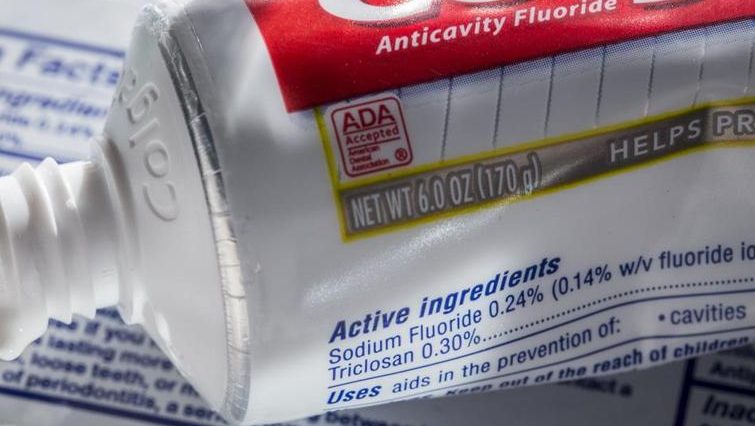
For decades, triclosan has been marketed as a powerful ally in the fight against germs. Found in products ranging from antibacterial soaps and toothpastes to cosmetics, kitchenware, and even clothing, this chemical promised an extra layer of protection against harmful bacteria. But as scientific understanding deepens, a pressing question has emerged: could the widespread use of triclosan be contributing to the rise of antibiotic-resistant bacteria—and if so, should consumers rethink their reliance on it?
What Is Triclosan?
Triclosan is a synthetic antimicrobial agent introduced in the 1970s. It works by inhibiting an enzyme bacteria need to produce fatty acids essential for their cell membranes. Because of this mechanism, triclosan was long considered a safe and effective way to reduce bacterial contamination in everyday products.
However, its very effectiveness has raised red flags. Triclosan doesn’t simply kill bacteria indiscriminately; at low or repeated exposures, it can allow some bacteria to survive and adapt.
Triclosan and Antibiotic Resistance
One of the greatest global health challenges today is antibiotic resistance—the ability of bacteria to evolve and withstand drugs designed to kill them. Research has shown that exposure to triclosan can select for bacteria with genetic mutations that make them less susceptible not only to triclosan itself but also to medically important antibiotics.
This occurs through several mechanisms. Some bacteria develop changes in the enzyme targeted by triclosan, while others increase the activity of efflux pumps—cellular systems that expel toxic substances. These same pumps can also remove antibiotics, making the bacteria harder to treat. In this way, triclosan may indirectly contribute to the broader resistance problem, even though it is not an antibiotic used in clinical medicine.
Environmental and Health Concerns
Triclosan’s impact extends beyond individual use. After being washed down household drains, it enters wastewater systems and eventually the environment, where it can persist and accumulate. Traces of triclosan have been detected in rivers, lakes, soil, and even human blood and breast milk.
While definitive evidence linking triclosan to specific long-term human health outcomes is still emerging, some studies suggest it may interfere with hormone regulation and disrupt the natural balance of beneficial bacteria on the skin and in the gut. These potential risks have prompted regulators in several countries to limit or ban its use in certain consumer products.
Do We Really Need Triclosan?
Perhaps the most compelling argument against routine triclosan use is that it often provides little to no added benefit. Numerous studies have shown that regular soap and water are just as effective as antibacterial soaps containing triclosan for preventing everyday infections in the home.
When alternatives exist that are equally effective and pose fewer risks, the justification for widespread triclosan use becomes weak—especially in non-medical settings.
What Should Consumers Do?
As awareness grows, consumers are increasingly faced with choices that have broader public health implications. Reading product labels, opting for triclosan-free items, and favoring simple hygiene practices can reduce unnecessary exposure. In healthcare settings, targeted antimicrobial use remains critical, but for everyday life, less may truly be more.
A Precaution Worth Taking
While triclosan was introduced with good intentions, mounting evidence suggests its widespread use may have unintended consequences, including contributing to antibiotic resistance. Given the seriousness of this global threat and the availability of safer, effective alternatives, consumer caution is not only reasonable—it may be essential. By making informed choices today, individuals can play a small but meaningful role in protecting public health for the future.
What do you think about this article? Please share it and comment.
You would like to publish an article with us? Please contact us.
 General Health Magazine