
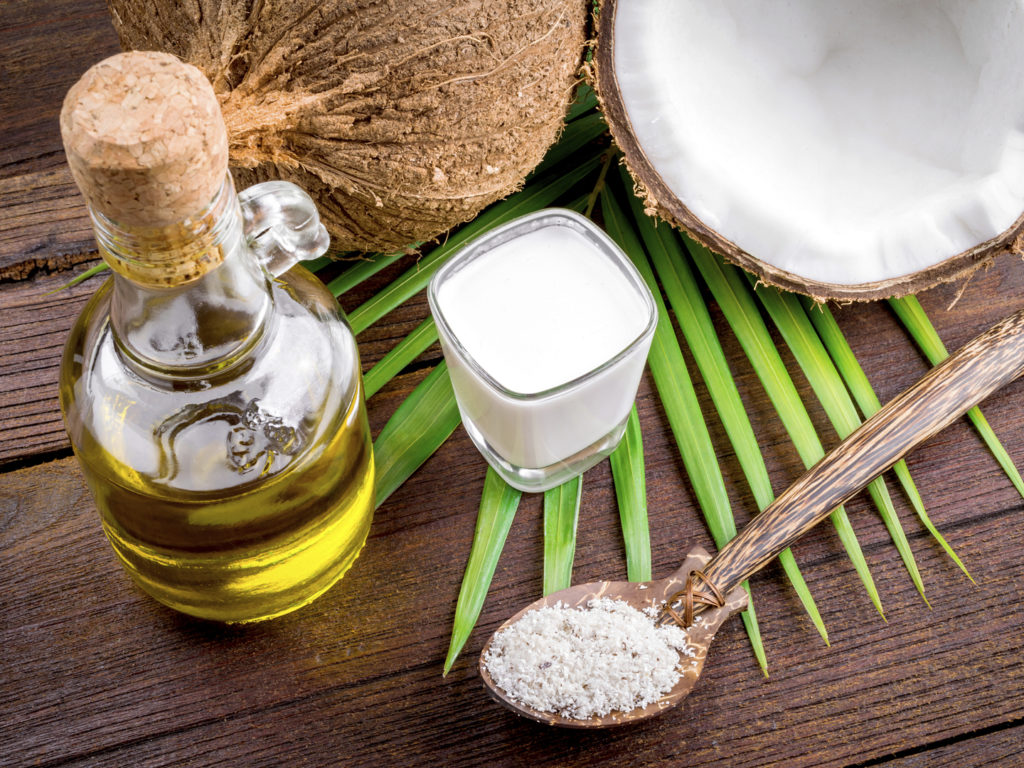
Coconut oil has long been marketed as a miracle fat—capable of boosting metabolism, melting belly fat, and accelerating weight loss. Social media trends, wellness influencers, and even some fitness professionals have promoted it as a shortcut to a leaner body.
But what does the science actually say?
Here’s what you need to know before adding another spoonful to your coffee.
What Makes Coconut Oil Different?
Coconut oil is unique because it contains a high concentration of medium-chain triglycerides (MCTs)—a type of saturated fat that is metabolized differently than the long-chain fatty acids found in butter or vegetable oils.
Unlike long-chain fats, MCTs:
- Are absorbed quickly
- Travel directly to the liver
- Are more readily used for energy
This faster metabolism is the foundation of coconut oil’s weight-loss claims.
Does Coconut Oil Actually Help With Weight Loss?
The short answer: It might help slightly—but it’s not magic.
Research suggests that MCTs can:
- Increase short-term energy expenditure
- Improve feelings of fullness
- Slightly reduce calorie intake
However, most studies showing significant weight loss used pure MCT oil, not regular coconut oil.
Here’s the catch:
- Coconut oil is about 60–65% MCTs, not 100%.
- It is still calorie-dense—about 120 calories per tablespoon.
If you add coconut oil to your diet without reducing other calories, weight gain—not loss—is more likely.
The Belly Fat Claim
One popular claim is that coconut oil targets abdominal fat.
Some small studies have shown modest reductions in waist circumference when coconut oil replaced other fats in a calorie-controlled diet. However:
- Results are inconsistent.
- Effects are generally small.
- Total calorie balance remains the primary driver of fat loss.
No oil—coconut or otherwise—selectively melts belly fat on its own.
Potential Benefits Beyond Weight Loss
Even if the fat-loss effects are limited, coconut oil may offer other advantages:
1. Quick Energy Source
Athletes sometimes use MCTs for rapid fuel.
2. Appetite Control
Some people feel fuller after consuming MCT-rich fats.
3. Ketogenic Diet Support
Because MCTs convert easily into ketones, coconut oil can support low-carb or keto lifestyles.
That said, benefits vary widely between individuals.
The Saturated Fat Debate
Coconut oil is about 90% saturated fat—much higher than butter.
Major health organizations still recommend limiting saturated fat intake due to its association with increased LDL (“bad”) cholesterol levels.
If you have:
- High cholesterol
- Cardiovascular risk factors
- A family history of heart disease
You should consult a healthcare professional before significantly increasing coconut oil intake.
How to Use Coconut Oil (If You Choose To)
If you enjoy coconut oil and want to include it in a balanced plan:
- Use 1 teaspoon to 1 tablespoon daily max.
- Replace other fats instead of adding extra calories.
- Use it for high-heat cooking (it’s relatively stable).
- Avoid assuming it’s a shortcut to fat loss.
Moderation is key.
Who Might Benefit Most?
Coconut oil may be more helpful for:
- People following a ketogenic diet
- Individuals struggling with appetite control
- Those replacing less healthy fats in a calorie-controlled plan
It is unlikely to cause significant weight loss on its own.
The Bottom Line
Coconut oil is not a miracle weight-loss solution. While its MCT content may slightly boost metabolism and satiety, the effects are modest.
Fat loss ultimately comes down to:
- Calorie balance
- Protein intake
- Strength training
- Sleep quality
- Consistency
Coconut oil can be part of a healthy diet—but it’s a tool, not a transformation.
Before you jump on the next viral health trend, remember: sustainable weight loss is built on habits, not single ingredients.
What do you think about this article? Please share it and comment.
You would like to ask a question, publish an article with us or place and advertisement? Please contact us.
 General Health Magazine