
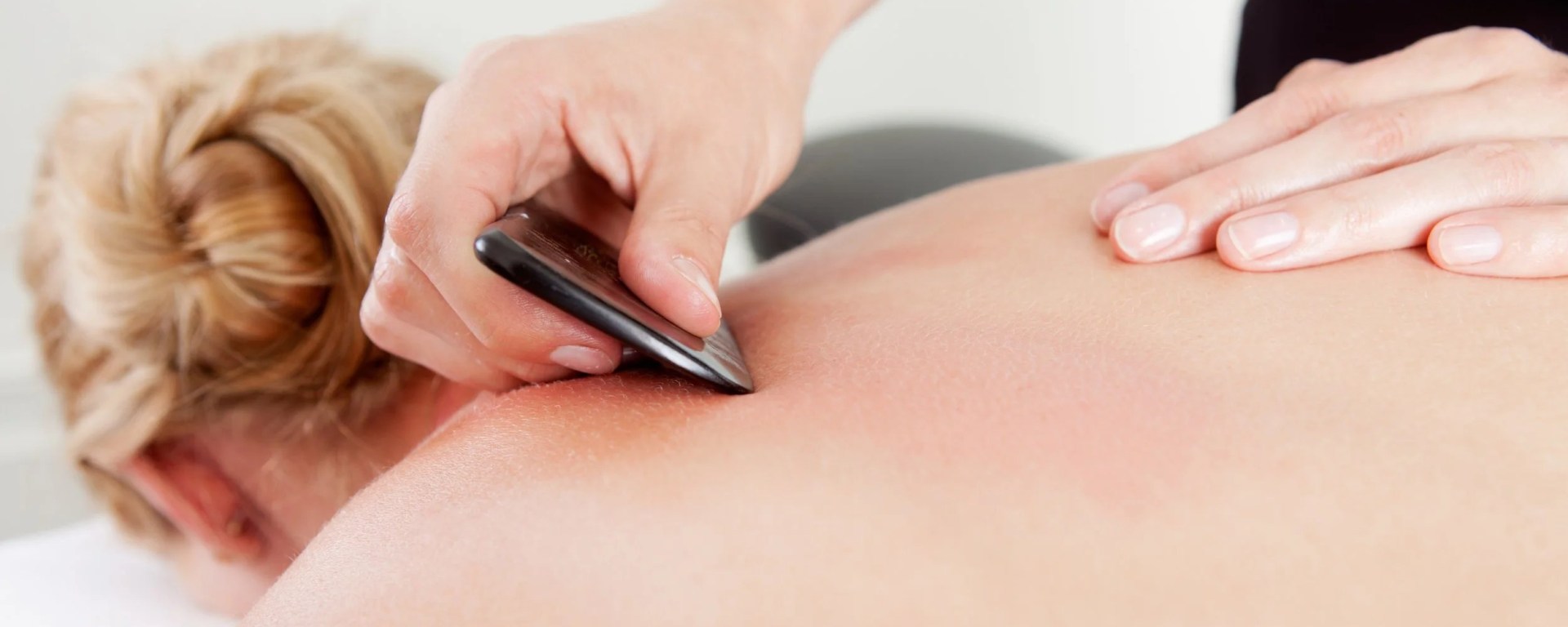
Gua sha therapy, often referred to as “scraping” or “spooning,” has emerged as a widely recognized wellness practice for improving skin health, easing pain, and supporting overall well-being. Rooted in Traditional Chinese Medicine (TCM), gua sha involves gently scraping the skin with a smooth-edged tool to stimulate circulation, release tension, and encourage the body’s natural healing processes.
Although the technique may appear unusual at first glance, gua sha has been practiced for centuries across Asia as a therapeutic method for restoring balance and promoting vitality. Today, it is increasingly embraced in modern skincare and holistic health routines for its non-invasive and natural approach.
Understanding Gua Sha Therapy
The term “gua sha” translates loosely to “scraping away illness.” The treatment involves using a flat tool—commonly made of jade, rose quartz, or stainless steel—to apply repeated strokes across the skin. Depending on the treatment area and purpose, the pressure can range from light and soothing to firmer therapeutic strokes.
Traditionally, gua sha was used on the body to address muscle tension, inflammation, and stagnant energy flow. In recent years, facial gua sha has gained popularity as a beauty and wellness practice due to its potential rejuvenating effects on the skin.
Benefits for Skin Health and Rejuvenation
One of the primary reasons gua sha therapy has become popular is its ability to support healthier, more radiant skin. The gentle scraping motion stimulates blood circulation and lymphatic drainage, helping deliver oxygen and nutrients to the skin while removing excess fluid and toxins.
Improved Circulation and Glow
Enhanced circulation can contribute to a brighter complexion and healthier-looking skin. Increased blood flow nourishes skin cells and may help reduce dullness and fatigue-related discoloration.
Reduced Puffiness and Inflammation
Facial gua sha is frequently used to reduce puffiness, particularly around the eyes and jawline. By encouraging lymphatic movement, the technique helps decrease fluid retention and inflammation.
Support for Skin Elasticity
Regular gua sha practice may help soften the appearance of fine lines and improve skin firmness. Relaxing facial muscles and improving circulation can contribute to smoother skin texture and enhanced elasticity over time.
Relaxation of Facial Tension
Many people unknowingly hold tension in the jaw, forehead, and temples. Gua sha helps release this tightness, which may reduce facial strain and create a more relaxed appearance.
Gua Sha for Pain Relief
Beyond skincare, gua sha is widely valued for its therapeutic effects on muscle and joint discomfort. The technique is commonly used to address chronic pain conditions and physical tension by stimulating circulation and promoting tissue recovery.
Muscle Relaxation and Tension Release
Applying gua sha to areas such as the neck, shoulders, back, and legs can help release muscle tightness and improve mobility. The scraping action increases local blood flow, which may reduce stiffness and discomfort.
Reduced Inflammation
Research and traditional practice suggest that gua sha may help lower inflammation in targeted areas. This can be particularly beneficial for individuals experiencing repetitive strain, sports-related soreness, or chronic muscular pain.
Support for Chronic Conditions
People living with conditions such as arthritis, fibromyalgia, and persistent back pain often seek complementary therapies to manage symptoms. While gua sha is not a replacement for medical treatment, many individuals find it helpful as part of a broader pain management strategy.
Managing Perimenopause Symptoms Naturally
An emerging area of interest is the use of gua sha therapy to support women during perimenopause. This transitional stage before menopause can involve hormonal fluctuations that lead to symptoms such as hot flashes, fatigue, irritability, headaches, and sleep disturbances.
Stress Reduction and Relaxation
Gua sha promotes relaxation by calming the nervous system and encouraging mindful self-care. Lower stress levels may help ease mood swings and improve emotional well-being during hormonal transitions.
Relief from Physical Discomfort
Women experiencing headaches, muscle tension, or joint discomfort associated with perimenopause may benefit from the circulation-enhancing and tension-reducing effects of gua sha.
Improved Sleep and Mental Clarity
The soothing, repetitive nature of the therapy can encourage deeper relaxation and better sleep quality. Many practitioners also report improvements in mental clarity and reduced anxiety following treatment sessions.
Mental and Emotional Wellness Benefits
Gua sha therapy offers more than physical relief; it can also contribute to emotional balance and mental wellness. The rhythmic movements used during treatment create a calming experience that encourages mindfulness and relaxation.
Reduced Stress and Anxiety
The therapy may stimulate the release of endorphins, the body’s natural “feel-good” chemicals. This can help lower stress levels and create a sense of emotional calm.
Enhanced Mind-Body Connection
Incorporating gua sha into a daily routine encourages intentional self-care and body awareness. This mindful practice can support emotional resilience and overall well-being.
Incorporating Gua Sha into a Self-Care Routine
One of the appealing aspects of gua sha therapy is its accessibility. With proper instruction and a quality tool, individuals can safely practice basic techniques at home.
Tips for Safe Practice
- Always apply facial oil or serum before using a gua sha tool to reduce friction.
- Use gentle pressure, especially on the face.
- Follow upward and outward motions to encourage lymphatic drainage.
- Clean the tool after each use to maintain hygiene.
- Avoid areas with broken skin, bruising, or active inflammation.
While home practice can be beneficial, consulting a trained practitioner is recommended for individuals with medical conditions or those seeking treatment for chronic pain.
Conclusion
Gua sha therapy represents a unique blend of ancient wisdom and modern wellness practices. From enhancing skin radiance and reducing puffiness to easing muscle tension and supporting emotional balance, the therapy offers a holistic approach to health and self-care.
Its growing popularity reflects an increasing interest in natural, non-invasive methods for improving overall well-being. Whether used for skincare, pain relief, or stress management, gua sha can be a valuable addition to a balanced wellness routine when practiced correctly and consistently.
What do you think about this article? Please share it and comment.
You would like to ask a question, publish an article with us or place and advertisement? Please contact us.

