
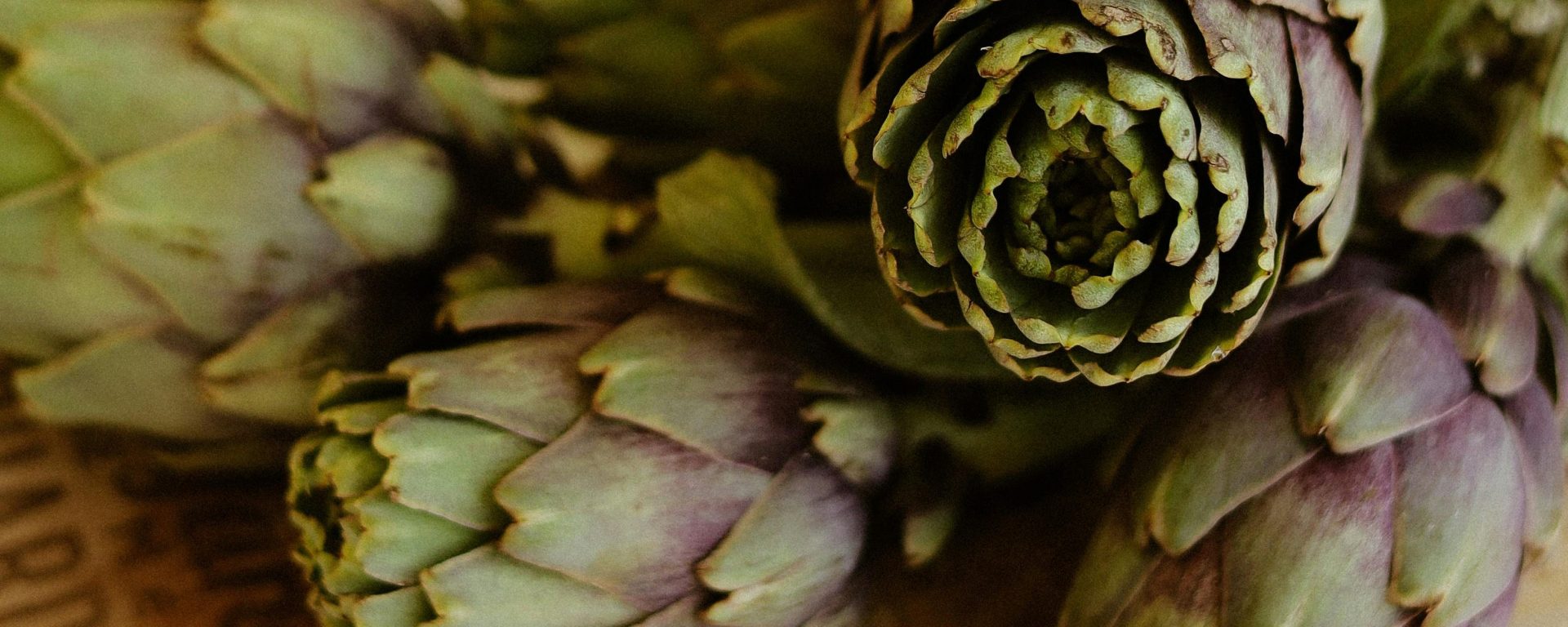
Often overlooked in everyday cooking, artichokes are one of the most nutrient-dense and versatile vegetables available. With their distinctive shape and slightly nutty flavor, they offer not only culinary appeal but also a range of health benefits. Understanding how to prepare and enjoy them can turn this intimidating vegetable into a staple in your kitchen.
What Is an Artichoke?
The artichoke is the edible flower bud of a thistle plant, harvested before it blooms. The most commonly consumed variety is the globe artichoke, prized for its tender heart and fleshy leaves.
Nutritional Profile
Artichokes are low in calories but rich in essential nutrients, making them an excellent addition to a balanced diet.
Key nutrients include:
- Fiber: Supports digestion and gut health
- Vitamin C: Contributes to immune function and skin health
- Vitamin K: Important for blood clotting and bone health
- Folate: Supports cell function and tissue growth
- Magnesium and potassium: Aid in muscle and nerve function
They are also high in antioxidants, particularly compounds like cynarin and silymarin, which are associated with liver support.
Health Benefits of Artichokes
1. Supports Digestive Health
Artichokes are one of the best natural sources of dietary fiber. They also contain inulin, a prebiotic fiber that feeds beneficial gut bacteria, helping to improve digestion and overall gut balance.
2. Promotes Liver Function
Compounds such as cynarin have been shown to stimulate bile production, which aids in fat digestion and supports liver detoxification processes.
3. May Help Lower Cholesterol
Some studies suggest that artichoke extract can help reduce LDL (“bad”) cholesterol while increasing HDL (“good”) cholesterol, contributing to heart health.
4. Rich in Antioxidants
Artichokes rank among the top antioxidant-rich vegetables. These compounds help combat oxidative stress, which is linked to aging and chronic diseases.
5. Supports Blood Sugar Control
Thanks to their fiber content and low glycemic impact, artichokes may help regulate blood sugar levels and improve insulin sensitivity.
How to Cook Artichokes
Preparing artichokes may seem complicated, but once you understand the process, it becomes straightforward.
1. Preparing the Artichoke
- Rinse thoroughly under cold water
- Trim the stem and about 2–3 cm off the top
- Snip the sharp tips of the outer leaves with scissors
- Rub cut areas with lemon to prevent browning
2. Cooking Methods
Boiling or Steaming (most common):
- Place in a pot with water, lemon slices, and a pinch of salt
- Boil or steam for 25–40 minutes, until leaves pull away easily
Roasting:
- Halve the artichoke and remove the fuzzy choke
- Drizzle with olive oil, garlic, and herbs
- Roast at 200°C (400°F) for about 25–30 minutes
Grilling:
- Pre-cook by steaming or boiling
- Slice in half, brush with oil, and grill until lightly charred
How to Eat an Artichoke
Eating a whole artichoke is a hands-on experience:
- Pull off one leaf at a time
- Dip it in sauce (butter, vinaigrette, or aioli)
- Scrape the soft flesh off with your teeth
- Continue until you reach the center
- Remove the fuzzy “choke” (inedible)
- Enjoy the tender heart—the most prized part
Simple Serving Ideas
- Add artichoke hearts to salads or grain bowls
- Blend into dips with garlic and lemon
- Toss into pasta dishes
- Pair with seafood or roasted vegetables
The Bottom Line
Artichokes combine impressive nutrition with unique culinary appeal. While their appearance may seem daunting, learning how to prepare and eat them opens the door to a highly beneficial and flavorful ingredient. Whether steamed, roasted, or grilled, artichokes can easily elevate both your meals and your overall diet.
What do you think about this article? Please share it and comment.
You would like to ask a question, publish an article with us or place and advertisement? Please contact us.

