
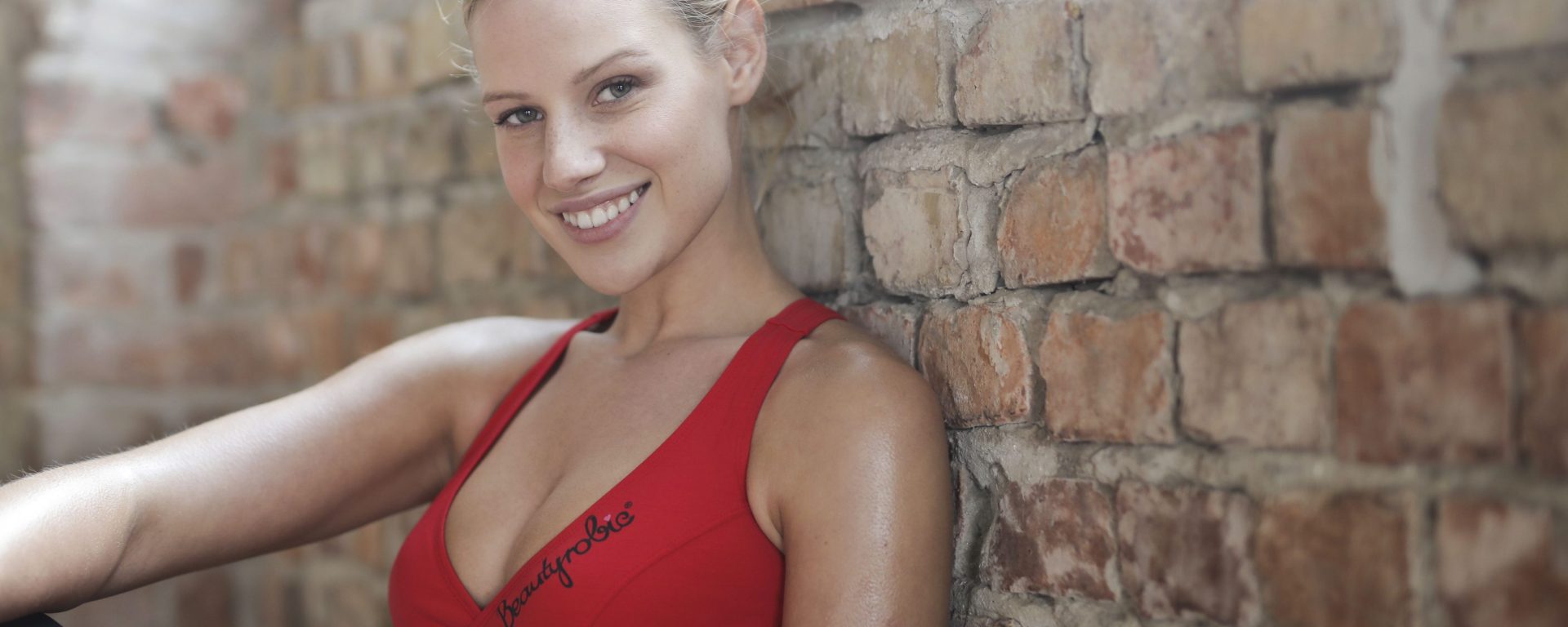
For decades, women’s fitness culture often revolved around one objective: becoming smaller.
Cardio classes promised calorie burn. Diet culture celebrated thinness. Fitness marketing frequently focused on achieving a particular body shape.
But a different ideal is emerging in 2026.
Strength is becoming the new status symbol.
Women are increasingly embracing weight training, functional fitness and athletic physiques—not simply to lose weight, but to become stronger, more capable and more confident.
The trend is visible across fitness culture and fashion. Recent reporting highlights the growing cultural popularity of muscular femininity, with brands increasingly recognizing women who lift as an important and previously underserved consumer group.
Why strength training has become mainstream
Strength training has been around forever. What’s new is the way it is being positioned.
It is no longer exclusively a bodybuilding activity. Strength training now appears in boutique fitness studios, hotel gyms, wellness retreats, social-media routines and mainstream workout programs.
For many women, the attraction is functional.
Being stronger can make everyday activities easier: carrying luggage, lifting children, climbing stairs or simply feeling more physically capable.
There’s also a psychological shift. Instead of asking, “How much weight can I lose?” more people are asking, “What can my body do?”
That is a significant change in fitness culture.
The rise of hybrid training
Strength isn’t replacing cardio—it is increasingly being combined with it.
Hybrid training, which mixes resistance work with cardiovascular conditioning, is one of the fitness trends gaining attention in 2026. Fitness providers are increasingly presenting workouts that develop multiple aspects of physical performance rather than focusing exclusively on calorie expenditure.
That might mean combining strength training with running, cycling, rowing, swimming or high-intensity intervals.
The advantage is variety.
A balanced exercise routine can be more interesting than repeating the same workout every day, and variety can make it easier to maintain physical activity over time.
Fitness is becoming an experience
Another growing trend is fitness travel.
Wellness vacations are increasingly incorporating structured exercise—from tennis and surfing to boxing, Pilates and other activities. Vogue identified fitness-focused travel as one of the major wellness trends for 2026, noting growing demand for trips that allow people to maintain or develop healthy habits while away from home.
This reflects a larger cultural change.
Exercise doesn’t necessarily have to feel like punishment anymore.
A surf camp, hiking holiday, dance retreat or cycling trip can provide physical activity while also delivering adventure, social connection and relaxation.
The social side of fitness
The popularity of group fitness also demonstrates that exercise isn’t just about physiology.
Humans are social creatures, and people often find it easier to maintain routines when they feel connected to others.
Running clubs, recreational sports, strength classes and fitness communities can turn exercise into a social event rather than another task on a to-do list.
That may be one reason fitness culture is moving away from the isolated image of someone exercising alone with headphones.
Don’t let trends dictate your workout
There is, however, a danger in turning strength into the next fitness obsession.
Not everyone needs to train intensely every day. More isn’t necessarily better. Recovery, sleep and gradual progression are important parts of training.
Beginners can start with simple resistance exercises and increase difficulty over time. People with injuries, medical conditions or specific concerns should seek appropriate professional advice before starting a demanding exercise program.
The best workout is rarely the one currently dominating social media.
It is the one you can perform safely, enjoy and repeat consistently.
The future of fitness
The most positive development in exercise culture may be that the goal is changing.
A strong body isn’t valuable because it fits a particular aesthetic. It is valuable because it allows you to participate more fully in life.
Run if you love running. Lift weights if you enjoy lifting. Walk, swim, dance, cycle or play a sport.
In 2026, fitness is increasingly becoming less about taking up less space and more about having the strength, energy and confidence to use your body fully.
What do you think about this article? Please share it and comment.
You would like to publish an article with us or place and advertisement? Please contact us.
 General Health Magazine