
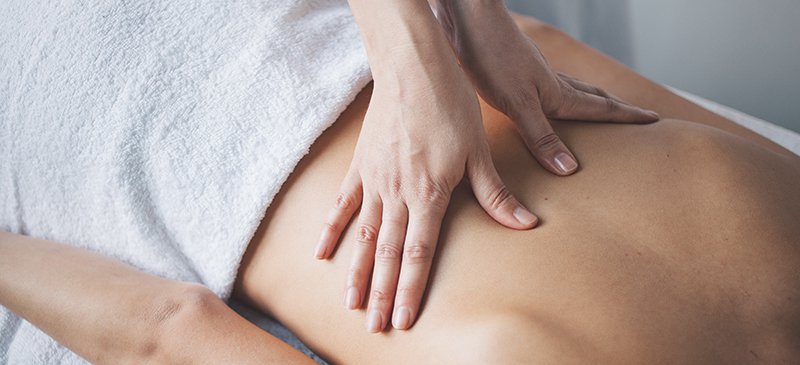
Deep tissue massage is a therapeutic massage technique designed to relieve chronic muscle tension, improve mobility, and support recovery from physical strain or injury. Unlike relaxation-focused massage styles, deep tissue massage uses slower, more sustained pressure to target the deeper layers of muscles and connective tissue.
Whether you’re an athlete recovering after training, someone managing chronic muscle tightness, or simply looking to reduce stress-related tension, deep tissue massage may offer meaningful physical and psychological benefits.
While massage therapy is not a replacement for medical treatment, research suggests it can be an effective complementary therapy for a variety of musculoskeletal conditions and may contribute to improved overall well-being.
What Is Deep Tissue Massage?
Deep tissue massage focuses on manipulating the deeper layers of muscles, fascia (the connective tissue surrounding muscles), tendons, and other soft tissues.
Therapists use firm, controlled pressure and slow strokes to address areas of chronic tension, scar tissue, muscle adhesions, and restricted movement.
Compared with lighter massage techniques such as Swedish massage, deep tissue massage typically involves:
- Slower, more deliberate strokes
- Greater sustained pressure
- Focused work on specific muscle groups
- Attention to chronic areas of tightness or pain
Common treatment areas include:
- Neck
- Shoulders
- Upper back
- Lower back
- Hips
- Legs
- Calves
Sports massage often incorporates many deep tissue techniques and is frequently used before or after athletic activity to help support performance and recovery.
Potential Benefits of Deep Tissue Massage
1. May Help Relieve Chronic Back Pain
Chronic low back pain is one of the most common reasons people seek massage therapy.
Several clinical studies suggest that deep tissue massage may help reduce pain intensity and improve physical function in people with persistent low back pain. In some cases, benefits have been comparable to other conservative treatments when used as part of a broader pain management plan.
Massage may also reduce muscle guarding and improve flexibility, allowing individuals to move more comfortably during everyday activities.
2. May Support Healthy Blood Pressure
Massage promotes relaxation by activating the parasympathetic nervous system, sometimes referred to as the body’s “rest and digest” response.
Some studies have found that deep tissue massage can produce modest, temporary reductions in:
- Systolic blood pressure
- Diastolic blood pressure
- Heart rate
These improvements are believed to result from reduced stress, improved circulation, and decreased muscle tension.
Massage should not replace prescribed treatment for hypertension but may serve as a complementary wellness practice for some individuals.
3. Helps Reduce Stress and Muscle Tension
One of the most widely recognized benefits of massage therapy is stress reduction.
Massage has been shown to:
- Lower muscle tension
- Promote relaxation
- Reduce perceived stress
- Improve mood
- Support better sleep quality
Research also suggests massage may temporarily lower levels of the stress hormone cortisol while increasing hormones associated with relaxation and social bonding, including serotonin and oxytocin.
These effects may contribute to an improved sense of well-being and reduced anxiety following treatment.
4. May Improve Mobility Following Injury
Following an injury, scar tissue and connective tissue adhesions can sometimes limit movement and contribute to stiffness.
Deep tissue massage may help:
- Improve circulation to affected tissues
- Reduce muscle tightness
- Increase flexibility
- Improve range of motion
Although massage cannot eliminate scar tissue, it may help improve tissue mobility and reduce discomfort during recovery when performed appropriately.
Anyone recovering from surgery or an acute injury should consult a healthcare professional before receiving massage therapy.
5. Supports Athletic Recovery
Many athletes include deep tissue or sports massage as part of their recovery routine.
Research suggests massage may help:
- Reduce delayed onset muscle soreness (DOMS)
- Improve perceived recovery
- Promote relaxation after intense exercise
- Improve flexibility
- Support return to training
Although massage does not appear to dramatically increase athletic performance on its own, many athletes report reduced soreness and improved readiness for subsequent workouts.
6. May Help During Pregnancy and Labor
Prenatal massage, when performed by a therapist trained in pregnancy massage, may help reduce:
- Back pain
- Leg discomfort
- Anxiety
- Stress
- Muscle tension
Some studies suggest massage during pregnancy may also improve relaxation and contribute to a more positive labor experience.
However, pregnant individuals should always consult their healthcare provider before receiving massage therapy, particularly during the first trimester or in high-risk pregnancies.
7. May Ease Symptoms of Arthritis
People living with osteoarthritis and other forms of arthritis often experience muscle tightness in addition to joint pain.
Massage therapy may help:
- Reduce stiffness
- Improve joint mobility
- Decrease pain
- Improve daily function
While massage does not treat the underlying disease, it can be a useful complementary therapy alongside exercise, medication, and physical therapy.
8. May Reduce Neck and Shoulder Pain
Modern lifestyles often involve prolonged computer use, poor posture, and repetitive movements that contribute to neck and shoulder discomfort.
Research suggests massage therapy may provide short-term improvements in:
- Neck pain
- Shoulder pain
- Muscle stiffness
- Range of motion
Regular treatment combined with stretching, strengthening exercises, and ergonomic improvements often provides the greatest benefit.
What Happens During a Deep Tissue Massage?
During a session, you’ll usually lie comfortably on a massage table while the therapist focuses on specific areas of tension.
The therapist may use:
- Fingers
- Thumbs
- Knuckles
- Forearms
- Elbows
Pressure is gradually increased as muscles begin to relax.
Unlike relaxation massage, deep tissue massage may produce temporary discomfort when working on particularly tight muscles. Communication with your therapist is important so the pressure remains within your comfort level.
Sessions typically last between 60 and 90 minutes.
How Often Should You Get One?
The ideal frequency depends on your goals and overall health.
General recommendations include:
- General wellness: Every 4–6 weeks
- Chronic muscle tension: Every 2–4 weeks
- Athletic training: Weekly or biweekly during periods of intense activity
- Rehabilitation: As recommended by your healthcare provider or physical therapist
Your massage therapist can recommend an individualized schedule based on your needs.
Deep Tissue Massage vs. Swedish Massage
Although both therapies involve manual manipulation of muscles, they serve different purposes.
| Deep Tissue Massage | Swedish Massage |
|---|---|
| Firm pressure | Light to moderate pressure |
| Targets deeper muscles and fascia | Focuses on superficial muscles |
| Best for chronic tension and pain | Best for relaxation and stress relief |
| Slow, focused strokes | Long, flowing strokes |
| May involve temporary discomfort | Generally very gentle and soothing |
Neither technique is inherently “better”; the right choice depends on your treatment goals.
Deep Tissue Massage vs. Sports Massage
Sports massage often combines deep tissue techniques with stretching and movement-based therapy.
It is designed specifically for physically active individuals and aims to:
- Improve flexibility
- Reduce muscle soreness
- Support recovery
- Help prevent overuse injuries
- Prepare muscles before competition
Many sports massage sessions include deep tissue work, but the overall approach is tailored to athletic performance.
Deep Tissue Massage vs. Chiropractic Care
Massage therapy and chiropractic care address musculoskeletal discomfort in different ways.
Massage focuses on:
- Muscles
- Fascia
- Tendons
- Soft tissues
Chiropractic treatment primarily focuses on:
- Joint mobility
- Spinal alignment
- Nervous system function
For some individuals, the two therapies may complement one another as part of a comprehensive treatment plan.
Are There Any Risks?
Deep tissue massage is generally considered safe when performed by a qualified professional.
However, it may not be appropriate for everyone.
Consult your healthcare provider before treatment if you have:
- Recent surgery
- Acute injuries
- Blood clotting disorders
- Osteoporosis
- Cancer affecting bones
- Severe cardiovascular disease
- Open wounds or skin infections
- Pregnancy requiring medical precautions
Temporary side effects may include:
- Mild soreness
- Tenderness
- Fatigue
- Minor bruising
These symptoms typically resolve within one or two days.
Choosing a Qualified Massage Therapist
For the safest and most effective experience:
- Choose a licensed or certified massage therapist where licensing is required.
- Ask about experience treating your specific condition.
- Inform your therapist about any injuries, surgeries, medications, or medical conditions before treatment.
- Communicate during the massage if pressure becomes painful.
If you’re seeking treatment for chronic pain, sports injuries, or rehabilitation, look for therapists with additional training in sports massage, orthopedic massage, myofascial release, or neuromuscular therapy.
Final Thoughts
Deep tissue massage is a therapeutic technique that targets deeper layers of muscle and connective tissue to reduce chronic tension, improve mobility, and support recovery.
Research suggests it may help relieve chronic back, neck, and shoulder pain, reduce stress, ease muscle soreness, improve flexibility, and complement rehabilitation programs. It may also benefit athletes by supporting post-exercise recovery and reducing muscle stiffness.
While deep tissue massage is generally safe for most healthy adults, it should be performed by a qualified professional and used alongside—not in place of—appropriate medical care when treating injuries or chronic health conditions.
What do you think about this article? Please share it and comment.
You would like to publish an article with us? Please contact us.

