
Protein has become one of the biggest themes in modern nutrition, but another nutrient deserves more attention: fiber.
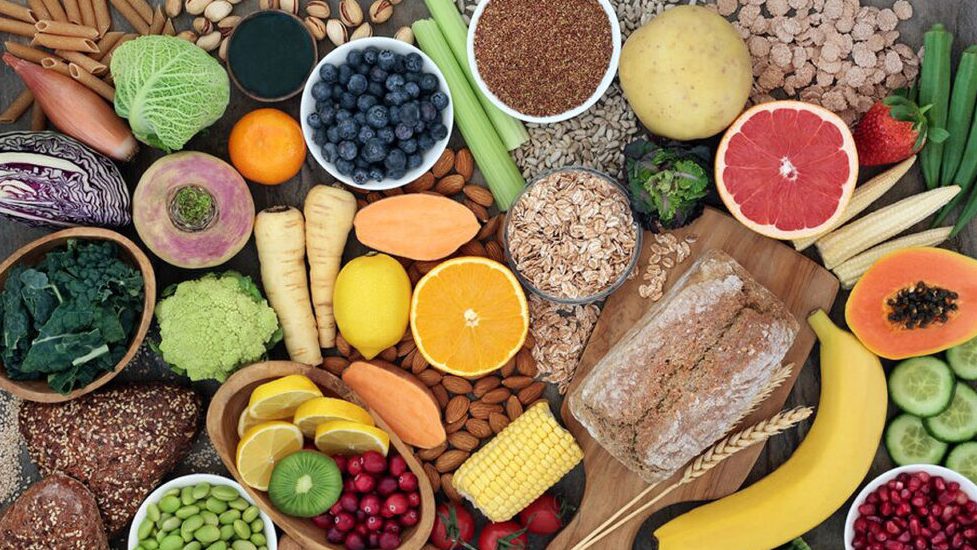
Found naturally in foods such as vegetables, fruits, beans, lentils, whole grains, nuts, and seeds, fiber supports digestive health and can also contribute to fullness and overall diet quality.
Instead of focusing only on how much protein a meal contains, adding more fiber-rich foods can be a simple way to make everyday eating more balanced.
What Is Dietary Fiber?
Fiber is a type of carbohydrate that the body does not fully digest.
There are different types of fiber, and they behave differently in the digestive system. Some forms help add bulk to stool, while others can slow digestion and contribute to a feeling of fullness.
Certain fibers are also fermented by gut microorganisms, producing compounds that may support the health of the intestinal environment.
This is one reason researchers are increasingly interested in the relationship between dietary fiber, the gut microbiome, and overall health.
Why Fiber Can Make Meals More Satisfying
A meal built primarily around refined carbohydrates may be digested relatively quickly.
Adding fiber-rich foods can change the texture, volume, and digestion of a meal.
Consider the difference between a breakfast consisting of sweetened cereal and a breakfast containing oats, berries, nuts, and plain yogurt.
The second meal provides a combination of fiber, protein, fat, and other nutrients that may help make it more satisfying.
Fiber can therefore be part of a practical strategy for people who frequently feel hungry shortly after eating.
Where to Find More Fiber
You do not need specialty products to increase fiber intake.
Breakfast can include oats, whole-grain toast, berries, pears, chia seeds, or ground flaxseed.
At lunch, beans, lentils, vegetables, whole grains, or a piece of fruit can increase the fiber content of a meal.
Dinner can include foods such as chickpeas, black beans, peas, broccoli, Brussels sprouts, sweet potatoes, brown rice, barley, or other whole grains.
Snacks can be as simple as an apple with nuts, carrots with hummus, or a small serving of berries.
Increase Fiber Gradually
One common mistake is trying to dramatically increase fiber overnight.
If your usual diet is relatively low in fiber, suddenly eating very large quantities may cause bloating, gas, or abdominal discomfort.
A gradual increase is often easier for the digestive system.
Adequate fluid intake is also important because fiber interacts with water in the digestive tract.
More Fiber Does Not Automatically Mean Healthier
A food labeled “high fiber” is not necessarily the best choice.
Some highly processed foods have isolated fibers added to them while still containing substantial amounts of added sugar, sodium, or other ingredients.
Whole or minimally processed foods can provide fiber alongside vitamins, minerals, plant compounds, and other nutrients.
Rather than chasing a particular fiber-enhanced product, look at the overall quality of the food.
A Simple Meal Formula
An easy approach is to ask three questions when building a meal:
Where is the protein?
Where is the fiber-rich plant food?
What provides healthy fats or other important nutrients?
For example, a bowl could combine lentils, roasted vegetables, quinoa, olive oil, and herbs.
A breakfast could combine oats, berries, yogurt, and nuts.
A sandwich could include whole-grain bread, a protein source, plenty of vegetables, and a side of fruit.
These combinations are flexible and can be adapted to different cuisines and dietary preferences.
The Bigger Picture
Fiber is not a miracle nutrient, and eating more of it does not compensate for an otherwise poor diet.
But it is an important part of a balanced eating pattern.
Instead of thinking about fiber as another number to obsess over, think of it as a reason to include more plants, whole grains, legumes, fruits, vegetables, nuts, and seeds.
When meals are built around a variety of minimally processed foods, getting enough fiber becomes much easier—and healthy eating becomes less about restriction and more about adding nourishing foods to the plate.
What do you think about this article? Please share it and comment.
You would like to ask a question, publish an article with us or place and advertisement? Please contact us.
 General Health Magazine